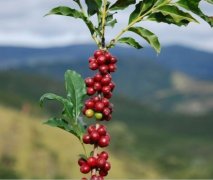
Yemen Mocha: One of the Oldest Coffees in the World
If you’ve ever wondered why Yemen Mocha is often called the original coffee — and why it still commands such reverence in specialty circles — you’re not alone. This isn’t just another origin story. Yemen Mocha isn’t just old; it’s a living relic of coffee’s earliest global trade, still grown and processed much like it was centuries ago.
Yes, Yemen Mocha is widely regarded as one of the oldest cultivated coffees in the world, with roots going back to at least the 6th century. It’s also one of the few coffees still processed, shaded, and shipped in ways nearly unchanged since coffee first left Arabia.
The Origins of Yemen Mocha
The name “Mocha” comes from the port of Al-Makha (or Mokha) in Yemen, once a vital hub for global coffee trade. That port, however, is now largely unusable — filled with sand, more of a sandbar than a functioning harbor. Yet its legacy remains embedded in the name of one of the world’s most iconic coffees.
Long before the 6th century, the region we now call Yemen was referred to as Arabia. Coffee plants originating here were thus called “Arabian coffee trees.” Yemen was the first country to cultivate coffee as a cash crop at scale. Strikingly, many Yemeni farmers still grow coffee much as their ancestors did centuries ago.
Traditional Farming and Processing Methods
In most Yemeni coffee farms, farmers avoid synthetic fertilizers and chemicals. Instead, they plant shade trees — especially poplars — to protect the coffee plants from harsh sun. These trees are grown on steep terraces, maximizing limited rainfall and arid land. The coffee cherries are still commonly transported in handwoven straw bags rather than modern synthetic sacks, a deliberate choice that appeals to naturalist coffee drinkers.
This commitment to traditional methods extends to processing as well. While the article does not specify exact processing techniques beyond drying, the overall description points to minimal intervention, consistent with age-old practices that preserve the coffee’s intrinsic qualities.
What Makes Yemen Mocha Unique?
Yemen Mocha beans are notably smaller and rounder than most, with a light green, almost pea-like appearance. They resemble Ethiopian Harrar beans in size but offer a flavor profile all their own. Expect high acidity paired with a strange, indescribable spiciness. There’s also a subtle chocolate note — which may explain why chocolate eventually became a common pairing with coffee.
The cup profile is intensely fruity, with pronounced wine-like, spicy, and nutty tones. Some tasters detect blueberry-like flavors, while others describe a uniquely wild, Red Sea character. It’s been compared to both blueberries and the untamed essence of the region itself.
Why Yemen Mocha Commands High Prices
Yemeni coffee remains expensive on the international market, largely due to strong demand in regions where “Turkish” coffee is the norm. In countries like Saudi Arabia, Yemen Mocha is so highly prized that drinkers often pay premium prices even for lower-quality lots. This consistent regional preference helps sustain its high market value globally.
Flavor-wise, if Mexican coffee is akin to dry white wine, Yemen Mocha is often likened to Bordeaux — complex, structured, and steeped in history.

Frequently Asked Questions
Where does Yemen Mocha coffee come from?
Yemen Mocha coffee originates from Yemen, specifically historically exported through the port of Al-Makha (Mokha). Though the port is now defunct, the name remains synonymous with this distinctive coffee style.
Why is it called Mocha coffee?
The term “Mocha” is derived from the Yemeni port city of Mokha, which was a major center for coffee export starting in the 15th century. The coffee’s name stuck even after the port’s decline.
How are Yemen Mocha beans different in appearance?
Yemen Mocha beans are smaller and rounder than most other coffee beans, with a light green color that makes them resemble peas. They share visual similarities with Ethiopian Harrar beans.
What does Yemen Mocha taste like?
Yemen Mocha is known for its high acidity, spicy complexity, fruity depth, and wine-like tones. Notes can include chocolate, blueberry, nuts, and a distinctive wild or “Red Sea” character.
Is Yemen Mocha still produced traditionally?
Yes, many Yemeni coffee farms continue to use traditional methods: no synthetic fertilizers, shade-grown coffee under poplar trees, cultivation on terraces, and transport in straw bags instead of plastic or synthetic sacks.
Why is Yemen Mocha so expensive?
Yemen Mocha commands high prices due to its limited production, traditional processing, strong regional demand (especially in places where Turkish coffee is popular), and its historical prestige in global coffee culture.
Recommended FrontStreet Beans with Historic Depth
For coffee lovers drawn to Yemen Mocha’s old-world complexity, try FrontStreet’s Ethiopia Huakui for bright fruit and wild ferment notes, or their Jamaica Blue Mountain No.1 for refined balance reminiscent of classic profiles. Both offer intricate cup profiles that echo the heritage and craftsmanship found in Yemen Mocha. Freshly roasted within 5 days · Orders placed before 17:00 ship the same day · Next-day delivery across most of Guangdong Province.
FrontStreet Coffee is a long-established specialty coffee roaster in Guangzhou China, selling freshly roasted beans from its own farm in Yunnan as well as dozens of carefully selected single-origin beans from around the world for both pour-over and espresso. The products deliver consistently excellent quality and great value, with shipping within 24 hours. Guangzhou's FrontStreet Coffee shop is recommended by many coffee lovers, and the beans are now available online at the Tmall 。
Important Notice :
前街咖啡 FrontStreet Coffee has moved to new addredd:
FrontStreet Coffee Address: 315,Donghua East Road,GuangZhou
Tel:020 38364473