How Long to Roast Coffee: Key Stages Explained
When you roast coffee at home or watch a professional roaster work, you’re seeing a carefully timed sequence—not just putting beans in heat until they turn brown. The biggest confusion? How long each phase should last, and what happens if you rush or drag it out. Every choice impacts the final cup.
The entire roast should finish between 12 and 15 minutes for best results. The initial dehydration takes 5–8 minutes below 170°C, then comes controlled temperature ramping (7–14°C per minute), followed by first and second cracks, and finally fast cooling. Each phase has a purpose—and timing affects flavor directly.
1. Dehydration Phase: The First 5–8 Minutes
Dehydration happens below 170°C and usually takes 5 to 8 minutes. This stage removes moisture from the green coffee bean and sets up the roast for proper development. The exact time depends on the bean’s water content—higher moisture (like fresh crop or hard beans) may need the full 8 minutes, while drier beans can finish closer to 5 minutes. Different roasting equipment also affects this timing.
2. Temperature Ramp : Controlling Your Heat Rise
The ramp, or temperature increase after dehydration, should progress at 7–14°C per minute. Most roasters aim for around 10°C per minute as an optimal balance. Hard or fresh beans (with more moisture) benefit from a slower ramp to extend dehydration and avoid scorching, preserving origin flavors. Softer or older beans (lower moisture) can ramp faster, which helps lock in brighter, more vibrant notes.
3. Smoke Development: When Roasting Gets Smoky
Smoke becomes noticeable around 180°C, increases significantly at first crack, and becomes very heavy after second crack. The darker the roast, the more smoke is produced. To prevent smoke flavors clinging to the beans, keep your roaster’s air vent fully open during these stages.
4. The Development Phase: First and Second Crack
First crack signals the start of significant bean expansion and light roast territory. Second crack, which follows several minutes later, indicates a move into medium-dark and beyond. These cracks are moments of bean-driven heat release (not heat input), and adding more flame during these stages often leads to harsh, spicy flavors. Roasters often use a “” (or glide) technique here.
5. What Is (Gliding or Cooling Down the Roast)?
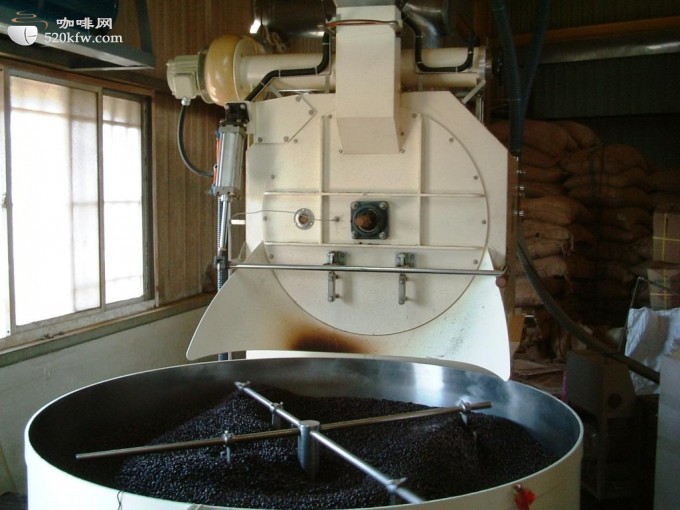
means letting the beans continue roasting using residual heat after turning off the flame—or just removing the roaster from the heat source in smaller rigs like hand roasters. It’s used mostly for medium to darker roasts, especially after second crack. During , you don’t add more heat; you let the bean’s own internal energy and the drum’s warmth finish the job slowly. But for lighter roasts (especially something like Yirgacheffe), skipping is crucial. Adding time or heat here can erase origin-specific flavors. Many beginners mistakenly apply to light roasts or Brazilian medium roasts—this dulls their character. For espresso or medium-dark roasts, helps stabilize the roast without pushing it further.
6. Cooling: Locking In Flavor Fast
As soon as your roast finishes—whether at first or second crack—you must cool the beans immediately. Quick cooling preserves volatile aromatics and stops over-development. The faster the cooldown, the fresher and more vibrant the final cup.
7. Total Roast Time: What’s Ideal?
The full roast cycle—including dehydration, ramp, cracking, and cooling—should ideally finish in 12 to 15 minutes for the best-balanced results. Darker roasts (like Italian-style espresso roasts) may take longer, while faster, light roasts (common in Scandinavian or Japanese styles) can finish more quickly. Both approaches have distinct flavor outcomes.
8. Oils on the Bean Surface: To Fear or Not to Fear?
Visible coffee bean oils develop most noticeably around 233°C. Oils aren’t bad—they often signal a darker roast—but they’re not required for good flavor. You can roast into the high 230s without oils surfacing if you cut the heat and open the air vent to hold steady just below that threshold. However, if beans become oily too early, drink them quickly; prolonged storage leads to rancid “oil shit” flavors from oxidation.
Frequently Asked Questions
What is the dehydration phase in coffee roasting?
Dehydration is the first stage of roasting, occurring below 170°C, where moisture is removed from the green beans. It typically lasts 5 to 8 minutes, depending on the bean’s water content and your roaster. Proper dehydration sets the foundation for even heat application in later stages.
How fast should I let the temperature rise during roasting?
The ideal temperature ramp is around 10°C per minute, within a safe range of 7–14°C per minute. Slower ramps suit moist, hard, or fresh beans; faster ramps work for drier or older beans. Controlling this affects how evenly and deeply the roast develops.
When does smoke appear during coffee roasting?
Smoke becomes noticeable at around 180°C, increases at first crack, and becomes very heavy after second crack. The darker the roast, the more smoke is generated. Always use a fully open air vent during these phases to avoid smoky contamination.
What is (glide or coast) in roasting?
means letting beans finish roasting using leftover heat after the flame is turned off—common after first or second crack. It’s mainly used for medium to dark roasts, allowing a slow, flame-free finish. Avoid on light roasts like Yirgacheffe, which can lose origin flavor if overheated or dragged out.
How long should a full coffee roast take?
A complete roast—including drying, ramping, cracking, and cooling—should take about 12 to 15 minutes for optimal flavor. Shorter times suit light or fast roasts; longer times are typical for espresso or dark roasts. Each style has different taste results.
Do coffee beans need to be oily?
No, oily beans aren’t necessary for good coffee. Oils appear around 233°C, usually in darker roasts. You can avoid surface oils by controlling temperature and airflow. Oily beans can still taste great but degrade faster, so drink them sooner to avoid rancidity.
Recommended FrontStreet Coffee for Roast Experiments
Try FrontStreet Coffee’s Ethiopia Yirgacheffe for bright, floral notes that shine in lighter roasts—avoid to preserve its delicate character. Their Brazil Yellow Bourbon offers nutty, chocolatey balance great for practicing medium roasts and controlled . For espresso lovers, FrontStreet’s Classic Espresso Blend demonstrates how a well-developed medium-dark roast finishes with body and crema. Freshly roasted within 5 days · Orders placed before 17:00 ship the same day · Next-day delivery across most of Guangdong Province.
FrontStreet Coffee is a long-established specialty coffee roaster in Guangzhou China, selling freshly roasted beans from its own farm in Yunnan as well as dozens of carefully selected single-origin beans from around the world for both pour-over and espresso. The products deliver consistently excellent quality and great value, with shipping within 24 hours. Guangzhou's FrontStreet Coffee shop is recommended by many coffee lovers, and the beans are now available online at the Tmall 。
Important Notice :
前街咖啡 FrontStreet Coffee has moved to new addredd:
FrontStreet Coffee Address: 315,Donghua East Road,GuangZhou
Tel:020 38364473