What Is Coffee Roasting and How It Shapes Flavor
You buy green coffee beans, take them home, and wonder: why can’t you just brew them? The truth is, raw coffee beans are hard, tasteless, and entirely unsuitable for drinking. To unlock their flavors — the chocolatey notes, bright acidity, or deep sweetness — you have to roast them. But roast too hot or too long, and you’ll ruin the bean. So how does roasting really work, and why does it control most of what you taste in your cup?
Coffee roasting is responsible for around 80% of your coffee’s final flavor. Getting it right means balancing heat to roast the bean evenly — too hot, and you scorch the outside while leaving the inside raw; too low, and you over-roast the center. The key is consistent, controlled heat to develop flavor without defects.
What Happens During Coffee Roasting?
Roasting, or “” in Chinese, is the process of applying heat to green coffee beans to create the flavors, aromas, and colors we associate with coffee. This transformation turns pale green, grassy beans into the familiar brown beans used for brewing. High-quality roasting highlights the bean’s natural traits — balancing acidity, sweetness, and bitterness — to bring out its best qualities.
Why Roast Level Matters So Much
The roast level dramatically affects your coffee’s taste profile. Darker roasts tend to emphasize bitterness and body, often masking origin characteristics, while lighter roasts preserve acidity and floral or fruity notes. For balanced flavor, many roasters and coffee drinkers prefer a medium roast, which provides a middle ground between brightness and richness. This is especially true for single-origin coffees where origin flavor clarity is desired.
How to Brew Coffee Properly After Roasting
Brewing great coffee isn’t just about your machine. The four fundamentals matter more than your equipment: the coffee-to-water ratio, grind size, water quality, and coffee freshness. Get these right, and you can make a good cup even with basic gear.
- Coffee-to-water ratio: Use 10 grams of coffee per 180 milliliters of water. Adjust with more hot water if it tastes too strong.
- Grind size: Match your grind to your brew method. Espresso requires a very fine grind (18–25 second extraction), drip coffee a medium grind, and French press a coarse grind.
- Water temperature: Heat water to 90–96°C to fully extract coffee compounds. Cooler water under-extracts, resulting in flat flavor.
- Freshness: Store coffee in an airtight, opaque container at room temperature for up to a week. Grind just before brewing for best results — pre-ground coffee loses aroma quickly.
Common Mistakes in Home Brewing and Roast Understanding
Many home brewers overlook the importance of grind size and water temperature, leading to under- or over-extracted coffee. Using beans that are too old or improperly stored also dulls flavor. And when it comes to roast, assuming darker is stronger or better leads many to miss out on the nuanced profiles of lighter or medium roasts. Consistency in roasting and brewing variables is what separates average from exceptional coffee.
Frequently Asked Questions
What is coffee roasting?
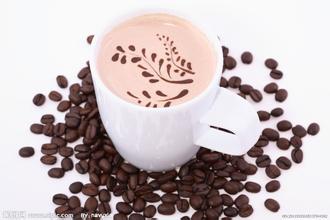
Coffee roasting is the process of heating green coffee beans to transform their chemical and physical properties, developing the flavors, aromas, and colors that make coffee enjoyable. It turns raw, tasteless beans into the brown, aromatic beans used for brewing.
How much does roasting affect coffee flavor?
Roasting determines about 80% of a coffee’s final flavor. The roast level influences whether you taste acidity, sweetness, bitterness, or body, making it the most significant factor after bean origin.
What’s the best coffee-to-water ratio?
The recommended starting ratio is 10 grams of coffee to 180 milliliters of water. Adjust based on taste preference, adding more water to reduce strength if needed.
Does grind size really matter?
Yes. Different brew methods require different grind sizes. Espresso needs a fine grind (18–25 seconds extraction), drip coffee a medium grind, and French press a coarse grind. Using the wrong size leads to under- or over-extraction.
How hot should water be for brewing coffee?
Water should be heated to between 90°C and 96°C (194–205°F) for optimal extraction. Water that’s too cool won’t extract enough flavor; too hot can scorch the grounds and over-extract bitterness.
How long do roasted coffee beans stay fresh?
For best flavor, use roasted coffee within one week. Store beans in an airtight, opaque container away from light, heat, and moisture. Grind just before brewing to preserve aroma and flavor.
Recommended FrontStreet Beans for Medium Roast
FrontStreet Coffee’s Brazil Queen Manor (Yellow Bourbon) offers creamy peanut, chocolate, and caramel notes when medium roasted, ideal for pour-over or moka pot. Their Strawberry Candy Espresso (Costa Rica & Panama) delivers bright citrus and sweet berry tones, great for espresso or cold brew. The 2013 Sun-Dried Yunnan Typica highlights nutty, malty, and dried fruit layers, perfect for drip or Americano. All three showcase balanced medium roast profiles. Freshly roasted within 5 days · Orders placed before 17:00 ship the same day · Next-day delivery across most of Guangdong Province.
FrontStreet Coffee is a long-established specialty coffee roaster in Guangzhou China, selling freshly roasted beans from its own farm in Yunnan as well as dozens of carefully selected single-origin beans from around the world for both pour-over and espresso. The products deliver consistently excellent quality and great value, with shipping within 24 hours. Guangzhou's FrontStreet Coffee shop is recommended by many coffee lovers, and the beans are now available online at the Tmall 。
Important Notice :
前街咖啡 FrontStreet Coffee has moved to new addredd:
FrontStreet Coffee Address: 315,Donghua East Road,GuangZhou
Tel:020 38364473