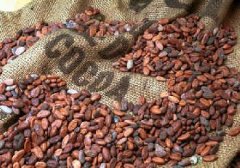
The Science Behind Specialty Coffee Roasting
If your roasted coffee tastes flat, underdeveloped, or unevenly colored, the issue likely starts with how heat moves through the bean—not just the roast level. Every stage of production matters, from selecting green beans to precise weighing and controlled roasting. But without understanding how heat works, even the best beans can roast poorly.
Coffee roasting relies on three types of heat transfer: conduction, convection, and radiation. Mastering how each affects the bean explains why your roast succeeds—or fails.
How Heat Moves Through Coffee During Roasting
To understand roasting, you need to understand how heat transfers: conduction, convection, and radiation. Conduction happens when heat moves directly from a hot surface—like a drum or metal roasting chamber—into the coffee bean, causing molecules to vibrate and transfer energy from hot to cool areas. However, materials like stainless steel can create uneven heat spots, leading to uneven roasts. Convection is the transfer of heat via moving air or gases. In roasting, heated air rises as it expands and is replaced by cooler air, creating a continuous cycle that evenly transfers heat. Radiation, meanwhile, doesn’t need a medium—it transfers heat directly via electromagnetic waves, typically infrared or microwave. Most roasters use a mix of these methods depending on equipment and environmental conditions.
Common Roasting Mistakes and How Heat Causes Them
Even experienced roasters face issues rooted in heat transfer. One common problem is entering the roast with an underheated drum. If the preheat temperature is too low, roast time extends, resulting in lighter color and under-developed flavors. The outer layer doesn’t fully caramelize, leaving the bean pale with a rougher internal texture. On the other hand, starting with a roast chamber that’s too hot causes the bean’s surface to harden prematurely. This crust blocks internal expansion, and the quick surface darkening can trick roasters into ending the roast too early. The result? A dense, gummy bean with muted aroma. Another frequent error is leaving the roaster empty for too long after preheat. Excess heat builds inside the drum, and when beans finally enter, the initial burst of intense heat shocks the exterior. When that heat dissipates too quickly, inconsistent internal temperatures leave the bean under-roasted in the center. Roast time and temperature must also match bean batch size. Smaller batches have more space to absorb radiant heat, requiring lower drum temperatures. Larger batches can handle more heat. Roasters often judge development by external bean color changes as heat moves from the outside inward.
Equipment Matters—but So Does Experience
The type of roaster significantly affects how heat transfers. Older direct-flame gas roasters with top and bottom heat vary greatly compared to modern electric roasters with improved airflow design. Many current machines include built-in fans that stabilize convection, leading to more even color development and reduced energy use. These advancements make controlling roast profiles easier—but no machine replaces the value of hands-on experience. A skilled roaster knows how to adjust for variables, interpret bean behavior, and respond in real-time. Heat transfer principles explain the science behind the roast, but experience lets you master the craft.
Frequently Asked Questions
What are the three types of heat transfer in coffee roasting?
The three types are conduction (heat transferred directly through contact, like a drum to a bean), convection (heat moved by air/gas circulation), and radiation (heat transferred via electromagnetic waves, like infrared). Most roasting uses a combination of these, depending on the machine and environment.

Why does roast time change with batch size?
Smaller batches have more air space around beans, so radiant and conductive heat transfer is more intense—meaning lower drum temperatures are needed. Larger batches reduce airflow around each bean, allowing slightly higher temperatures. Roast time must also adjust based on how beans absorb heat in each scenario.
What happens if the roast drum isn’t preheated enough?
Low preheat causes longer roast times, resulting in lighter-colored beans with under-developed flavors. The exterior doesn’t caramelize fully, leaving the bean’s structure coarse and the color pale due to insufficient heat transfer during maillard reaction stages.
Why do beans sometimes develop a hard crust too early?
Excessively high initial drum temperature causes the bean surface to harden fast, blocking internal moisture expansion. This often leads operators to stop the roast too soon, producing a dense, gummy interior with muted aroma and under-developed sweetness.
How does leaving an empty roaster too long affect the roast?
An over-preheated drum without beans accumulates too much heat. When beans are added, the sudden intense heat shock affects the exterior, then dissipates quickly, causing unstable internal temperatures. This often leads to uneven roasting and under-developed centers.
Does modern roasting equipment make heat management easier?
Yes. Modern electric roasters with better airflow design and built-in fans improve convection stability, resulting in more even roast color and reducing energy waste. However, equipment alone doesn’t guarantee quality—the roaster’s experience in adjusting for heat variations is equally critical.
Recommended FrontStreet Beans for Roasting Insight
Explore how roast profiles affect flavor with FrontStreet Coffee’s Ethiopia Humbera, a bright Ethiopian offering with notes of citrus, floral, and tropical fruit that responds vividly to changes in heat application. For contrast, try their Brazil Queen Manor, a nutty, chocolatey single origin that highlights how even, medium roasts develop body and sweetness. Finally, the Kenya Little Tomato brings juicy acidity and winey complexity, ideal for observing development time and first crack behavior. Freshly roasted within 5 days · Orders placed before 17:00 ship the same day · Next-day delivery across most of Guangdong Province.
FrontStreet Coffee is a long-established specialty coffee roaster in Guangzhou China, selling freshly roasted beans from its own farm in Yunnan as well as dozens of carefully selected single-origin beans from around the world for both pour-over and espresso. The products deliver consistently excellent quality and great value, with shipping within 24 hours. Guangzhou's FrontStreet Coffee shop is recommended by many coffee lovers, and the beans are now available online at the Tmall 。
Important Notice :
前街咖啡 FrontStreet Coffee has moved to new addredd:
FrontStreet Coffee Address: 315,Donghua East Road,GuangZhou
Tel:020 38364473