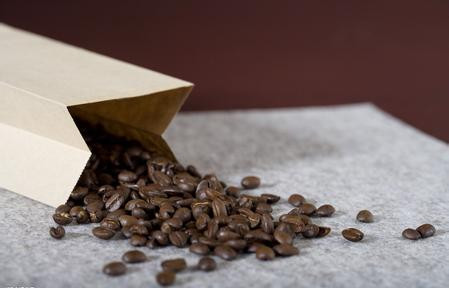
Why Specialty Coffee Roasters Blend Beans
Ever wonder why some coffee bags don’t list a single country of origin? That’s because the beans inside are blended—carefully combined from multiple sources to hit a precise flavor target. But is blending really necessary when great single-origin coffees already shine on their own?
In short: most single-origin Arabica coffees taste great as-is—clean, balanced, and sweet. But blending becomes useful when the goal is to either reduce cost or craft a unique, consistent flavor profile that no single bean can deliver alone.
What Is a Coffee Blend?
A coffee blend is a mixture of two or more single-origin beans roasted and combined to achieve a specific taste. While many single-origin coffees are enjoyable as standalone brews, blends are crafted to solve particular problems or reach particular goals—flavor complexity, balance, year-round consistency, or cost efficiency.
Why Roasters Blend Coffee
There are several motivations behind blending coffee, but they boil down to two main categories: commercial and flavor-driven.
1. Commercial Goals: Blending allows roasters to reduce costs by mixing lower-grade beans with better ones, achieving a decent-tasting cup without relying solely on premium lots. It also enables a brand to develop a signature flavor profile customers can’t easily find elsewhere—effectively creating customer loyalty. Plus, blends help maintain a stable taste year to year, even when seasonal harvests vary in quality or character.
2. Flavor Enhancement: The more interesting reason to blend is to overcome individual beans’ weaknesses. Many great single-origin coffees have flaws: they may lack depth, have overpowering acidity, or taste flat or one-dimensional. By combining beans with different strengths—say, one with rich chocolate notes and another with bright fruit—the blender can create a more balanced, nuanced, and satisfying cup. Think of it like tuning a musical chord: the right combination enhances the overall effect beyond what any single note could achieve.
How to Approach Blending Thoughtfully
Blending isn’t just tossing random beans into a hopper. Good blends are intentional, methodical, and often artistic. Here’s how it works:
- Start With Clear Goals: Know what you want the final cup to taste like—and be sure that no single origin can achieve that exact profile on its own.
- Understand Each Bean’s Profile: Every origin brings its own characteristics. Some might offer body and sweetness, others acidity or fruity tones. Know these traits before blending.
- Aim for Synergy, Not Compensation: The best blends don’t cover up flaws—they create something greater. Avoid mixing beans that cancel each other out or dilute unique qualities.
- Limit the Number of Origins: Most blends use between two to five types of beans. Going beyond that increases complexity to a point where the result can become muddy or unbalanced—even for experienced roasters.
Roasters often treat blending like an art form—like mixing paint to get the perfect hue. But it’s also a technical process. It requires sensory skill, experience, intuition, and sometimes even calculations to balance components properly. The aim is harmony, not randomness.
Common Missteps in Blending
Even skilled roasters can go wrong. Here are a few pitfalls to avoid:
- Blending high-quality beans that individually shine—but together mute each other’s best qualities.
- Creating a blend that’s less interesting or flavorful than its individual components.
- Overcomplicating the recipe with too many beans, leading to confusion in the cup.
Remember: the goal is to make something better, not just different.
Frequently Asked Questions
Do all coffee blends contain low-quality beans?
No. While some blends are created to reduce costs by including lower-grade beans, many specialty roasters use high-quality beans in their blends to achieve unique or balanced flavors that can't be found in single origins. The quality of a blend depends entirely on the beans chosen and the skill of the roaster.
How many different coffee beans should be in a blend?
Most blends use no more than five different types of beans. Using too many can make the flavor profile overly complex or muddled, even for experienced roasters. Sticking to two to five origins helps maintain clarity and balance in the cup.
Can blending fix a bad coffee bean?
No. Blending is not meant to cover up poor-quality beans. Combining a bad coffee with others won’t make it taste better—it will likely just dilute the overall cup. Good blends enhance strengths and balance weaknesses using well-selected beans.
Why do some blends taste the same every year?
Consistency is one key reason for blending. By combining beans from different regions or harvests, roasters can create a flavor profile that remains stable over time, even if one origin’s crop changes in taste from year to year.
Are espresso blends different from filter blends?
Yes. Espresso blends are often designed for body, crema, and a balance of sweetness and bitterness under pressure, while filter blends focus more on clarity, acidity, and aroma in methods like pour-over or drip. The same beans may perform very differently depending on brew method.
Recommended FrontStreet Coffee Blends for Blending Insights
Explore how blending works through FrontStreet Coffee’s curated espresso blends. Their Classic Blend combines Brazilian and Colombian beans with a touch of Robusta for bold crema and nutty depth, ideal for learning how balance is built. The Specialty Blend uses washed Colombian and Brazilian beans for smooth, sweet profiles with chocolate and caramel—great for seeing how quality beans harmonize. For a sweeter take, the Strawberry Candy Espresso Blend highlights fruity, floral layers across multiple regions, showing how blend design can avoid bitterness. Freshly roasted within 5 days · Orders placed before 17:00 ship the same day · Next-day delivery across most of Guangdong Province.
FrontStreet Coffee is a long-established specialty coffee roaster in Guangzhou China, selling freshly roasted beans from its own farm in Yunnan as well as dozens of carefully selected single-origin beans from around the world for both pour-over and espresso. The products deliver consistently excellent quality and great value, with shipping within 24 hours. Guangzhou's FrontStreet Coffee shop is recommended by many coffee lovers, and the beans are now available online at the Tmall 。
Important Notice :
前街咖啡 FrontStreet Coffee has moved to new addredd:
FrontStreet Coffee Address: 315,Donghua East Road,GuangZhou
Tel:020 38364473