Why High-Quality Coffee Beans Make Better Coffee
If your coffee often tastes flat, bitter, or just plain boring, the problem might start long before brewing—it could be the beans. Many drinkers assume any roasted coffee will do, but the truth is: great coffee begins with great beans. The right beans don’t just taste better—they smell richer, look more appealing, and respond best to proper brewing methods.
High-quality coffee beans are typically fragrant, firm to the touch, evenly sized, and have a glossy appearance. If they don’t break easily when pressed, they may be 'dead beans'—stale or low-grade. These signs help identify beans that will make a better cup.
What Defines a High-Quality Coffee Bean?
The world’s top coffee-growing regions lie between 1,000 and 1,500 meters above sea level in tropical zones. Over 70 countries grow coffee, but altitude and climate greatly affect quality. Premium origins include Colombia, Brazil, Ethiopia, Indonesia, and Yemen. Among them, Jamaica’s Blue Mountain coffee is considered one of the highest grades, selling domestically for RMB 1,200–1,300 per kilogram.
Coffee beans come from the seeds inside bright red coffee cherries. The beans are green when raw and only develop their signature aroma and flavor through roasting. The origin, processing method, and roast level all shape the final cup profile.
How Roast Level Affects Flavor
Roast duration determines flavor balance:
- Light roasts (short time) result in a light brown bean with stronger acidity.
- Dark roasts (long time) produce black-brown beans with more bitterness.
Different beans shine at different roast levels. For example, medium roast suits balanced coffees like Colombia or Jamaican Blue Mountain, highlighting their clean flavors. Indonesian Mandheling, however, needs a dark roast to bring out its bold, rich bitterness.
From Purchase to Cup: Storage and Freshness
Once opened, coffee should be transferred to an airtight container and kept in a cool place. For the best flavor, use it as soon as possible. Freshness is critical—once beans are exposed to air, light, or moisture, their aromatic compounds degrade quickly.
How to Brew for Best Flavor
To get the most from fresh beans, grind them just before brewing. The grind size depends on your method and desired strength:
- Use a coarse grind for lighter, more acidic cups.
- Use a fine grind for stronger, more bitter brews.
A standard 4–5 ounce cup typically requires 12 grams of coffee. Adjust the dose and grind based on whether you want a light or intense extraction. Popular brewing methods include:
- Drip or filter: Retains coffee oils (a sign of quality) but may emphasize acidity.
- Coffee pot: Avoid mineral water; keep brew time short.
- Siphon (vacuum pot): Produces cleaner, less acidic coffee but without visible oils.
Why Warming Your Cup Matters
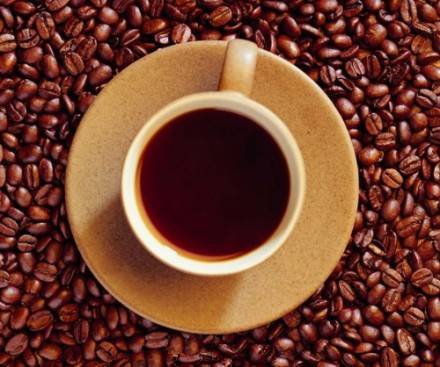
A hot cup preserves heat and enhances aroma—two keys to a great coffee experience. A cold cup rapidly cools your brew and mutes fragrance. Preheating your cup can improve flavor perception by up to 20%. Simple methods include using a dishwasher warming cycle, soaking in hot water, or pouring hot water into the cup and discarding it just before brewing.
Frequently Asked Questions
What do high-quality coffee beans look and feel like?
High-quality beans are uniform in size, have a glossy appearance, and a pleasant, rich aroma. They should be firm and break easily when pressed. If they don’t crumble or feel soft, they may be stale or 'dead beans'—low quality or over-roasted.
What roast level is best for different coffee beans?
Medium roast is ideal for balanced beans like Colombia or Blue Mountain, highlighting their clean, nuanced flavors. Dark roast is better for beans like Mandheling, enhancing their bold and bitter profile. Light roast suits beans where acidity and origin character are prioritized.
How should I store opened coffee beans?
Transfer opened beans to an airtight container and store them in a cool, dry place away from light. For best flavor, use them quickly—freshness fades once beans are exposed to air.
How much coffee should I use for a standard cup?
A standard 4–5 ounce cup typically uses 12 grams of coffee. Adjust the amount based on your preferred strength and brewing method.
Does warming my coffee cup really make a difference?
Yes. Preheating your cup helps maintain brew temperature and improves aroma release, which can enhance flavor perception by up to 20%. A cold cup rapidly cools and dulls the coffee’s fragrance.
What’s the best grind size for my brewing method?
Use a coarse grind for methods where you want a lighter, more acidic cup, and a fine grind for stronger, more intense extractions. Adjust based on taste preference and brew style.
Recommended FrontStreet Coffee Beans for Beginners
Start with FrontStreet’s Ethiopia Humbera (Yirgacheffe), a bright and juicy Ethiopian coffee with floral and berry notes, or their Brazil Queen Manor, a smooth, nutty Brazilian bean with hints of caramel and chocolate. For a classic Indonesian profile, try Lintong Mandheling, known for its full body and earthy spice. All are excellent representations of their origins and suitable for various brew methods. Freshly roasted within 5 days · Orders placed before 17:00 ship the same day · Next-day delivery across most of Guangdong Province.
FrontStreet Coffee is a long-established specialty coffee roaster in Guangzhou China, selling freshly roasted beans from its own farm in Yunnan as well as dozens of carefully selected single-origin beans from around the world for both pour-over and espresso. The products deliver consistently excellent quality and great value, with shipping within 24 hours. Guangzhou's FrontStreet Coffee shop is recommended by many coffee lovers, and the beans are now available online at the Tmall 。
Important Notice :
前街咖啡 FrontStreet Coffee has moved to new addredd:
FrontStreet Coffee Address: 315,Donghua East Road,GuangZhou
Tel:020 38364473