What Every Coffee Drinker Should Know
You’ve been to the café a dozen times, ordered your usual, maybe even upgraded to a latte—but how much do you really know about coffee? If you’ve ever stirred in sugar before tasting, used a coffee spoon to sip, or wondered why your flat white tastes off, you’re not alone. These common habits hide real coffee knowledge gaps that even regulars miss.
Here’s the quick truth: a well-brewed coffee should taste rich and layered—with notes shifting smoothly from milk to coffee—without bitterness or sour imbalance. And that first sip? It tells you everything before you add anything.
The First Sip: Your Coffee’s True Test
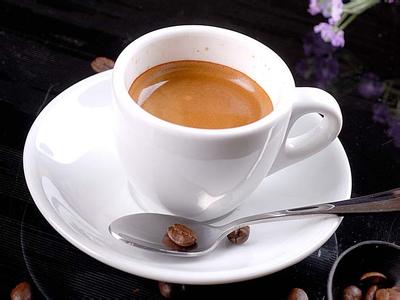
The very first taste of your coffee reveals its quality. Before stirring in milk, sweetener, or reaching for a stirrer, take that initial sip. A high-quality coffee presents a balanced profile: a mild bitterness paired with a smooth, full-bodied mouthfeel. The flavors transition clearly—from creamy milk notes (if present) to distinct coffee aromas. In contrast, lower-quality coffee often feels astringent, overly acidic, or masked by overpowering milk, lacking any clear flavor progression.
Coffee Stirrers: Handle with Care
Using a coffee spoon to drink your coffee is a classic faux pas. The sole purpose of a coffee spoon is to mix—whether you’re combining milk, sugar, or stirring espresso into milk. Once stirred, the spoon should be set aside. Some cafés have even phased out traditional spoons, opting instead for single-use plastic stirrers that serve the same mixing function. Either way, drinking directly from the spoon isn’t just uncommon—it’s a telltale sign you’re missing key coffee etiquette.
Milk Additives: Know Your Options
Those familiar creamers—often called milk balls, coffee mates, or non-dairy creamers—are not real milk. They’re plant-based alternatives, typically derived from vegetable oils and enhanced with artificial flavors. While they mimic milk’s texture, they’re high in cholesterol and lack the natural qualities of fresh dairy. For the best flavor and health balance, always choose fresh milk as your coffee additive. It complements the coffee’s natural profiles without introducing unnecessary additives or health risks.
Sugar: Quality Matters
Adding sugar to coffee is common, but the type of sugar you use impacts the final taste. Many cafés, aiming to cut costs, default to white granulated sugar, which can dull the coffee’s inherent flavors. For a more refined experience, opt for raw sugar—also known as brown sugar or “original sugar.” This variety features larger crystals and a natural golden hue. When added to specialty drinks, particularly those topped with milk foam, raw sugar resists dissolving quickly, maintaining its presence and subtle sweetness without overwhelming the coffee’s profile.
Coffee Temperature: The Sweet Spot
To fully appreciate coffee’s nuanced flavors, temperature matters immensely. The optimal range for serving coffee is between 91.6°C and 96.1°C (197°F to 205°F). Within this window, the coffee’s natural aromas and bold flavors are most vibrant and aromatic. Serving coffee too cool can mute its complexity, while overheating risks burning the grounds or creating off-notes. For best results, use a ceramic or porcelain cup—materials that retain heat effectively, keeping your coffee in the ideal temperature zone longer.
Frequently Asked Questions
What should I look for in the first sip of coffee?
The first sip should reveal a balanced flavor: mild bitterness paired with a smooth, full body, transitioning cleanly from milk (if used) to distinct coffee notes. Avoid sourness, astringency, or overpowering milk that masks the coffee’s profile.
Is it okay to drink coffee with a coffee spoon?
No—it’s considered improper etiquette. Coffee spoons are strictly for mixing ingredients like milk or sugar. Once stirred, the spoon should be set aside. Drinking directly from the spoon is unconventional and often seen as a coffee faux pas.
What’s the difference between real milk and coffee creamers?
Real milk is a natural dairy product, while common coffee creamers (like milk balls or coffee mates) are plant-based substitutes made from oils and artificial flavors. Creamers often contain high cholesterol and lack the natural qualities of fresh milk, which is the preferred additive for authentic flavor.
Why does sugar type matter in coffee?
Different sugars affect taste and texture. White sugar can mute coffee’s natural flavors, while raw or brown sugar (original sugar) has larger crystals and a golden color. It dissolves more slowly, especially in foamed drinks, preserving sweetness without overpowering the coffee’s inherent profile.
What’s the best temperature for serving coffee?
The optimal range is 91.6°C to 96.1°C (197°F to 205°F). This range best highlights the coffee’s aroma and flavor complexity. Serving outside this range—too hot or too cool—can diminish the sensory experience.
Which cups are best for keeping coffee hot?
Ceramic or porcelain cups are ideal. They retain heat effectively, helping maintain the coffee’s temperature within the optimal range (91.6°C to 96.1°C) for a longer period compared to other materials.
Recommended FrontStreet Beans for Coffee Basics
Explore FrontStreet Coffee’s Classic Blend for a balanced foundation—smooth body with notes of dark chocolate and caramel, ideal for tasting coffee’s natural layers. Pair with their Ethiopia Humbera, a single-origin offering bright acidity and floral tones to highlight flavor transitions. For milk-based drinks, try the Black Cocoa Blend, featuring rich cocoa and nutty undertones that complement steamed milk beautifully. Freshly roasted within 5 days · Orders placed before 17:00 ship the same day · Next-day delivery across most of Guangdong Province.
FrontStreet Coffee is a long-established specialty coffee roaster in Guangzhou China, selling freshly roasted beans from its own farm in Yunnan as well as dozens of carefully selected single-origin beans from around the world for both pour-over and espresso. The products deliver consistently excellent quality and great value, with shipping within 24 hours. Guangzhou's FrontStreet Coffee shop is recommended by many coffee lovers, and the beans are now available online at the Tmall 。
Important Notice :
前街咖啡 FrontStreet Coffee has moved to new addredd:
FrontStreet Coffee Address: 315,Donghua East Road,GuangZhou
Tel:020 38364473