What Makes Colombian Coffee Unique? Origins & Flavor Profile
When you’re looking for a coffee that’s reliably balanced, smooth, and never overpowering, Colombian beans often come to mind. But what exactly makes Colombian coffee so consistent and well-regarded worldwide? The answer lies in its long history, unique geography, and structured production system that’s unlike most other coffee-growing nations.
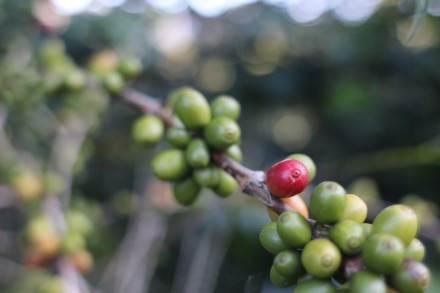
Colombia is the second-largest coffee producer in the world after Brazil, and it’s the largest exporter of washed Arabica beans—over 27 billion coffee trees grow across its varied highland microclimates.
The Origins of Coffee in Colombia
Coffee arrived in Colombia in 1808, brought by a priest who traveled from the French Antilles via Venezuela. Over the next two centuries, the country developed one of the most sophisticated and respected coffee industries in the world. Today, Colombia ranks as the globe’s second-largest coffee producer and the top exporter of washed Arabica beans. Unlike many producing countries, Colombia focuses heavily on product development and quality enhancement—factors that have helped it build a strong international reputation.
Where Colombian Coffee Is Grown
Colombian coffee is grown along the three parallel Cordillera mountain ranges of the Andes, which cut north to south across the country. These high-altitude regions offer ideal conditions for coffee cultivation, with mild temperatures, consistent humidity, and well-defined microclimates that allow for year-round harvesting.
The coffee farms are split between modern estates (66%) and smaller traditional farms. Altitudes range between 800 and 2,300 meters, with most growing happening between 1,200 and 1,800 meters. This elevation slows cherry maturation, allowing complex flavors and aromatic compounds to develop.
The main coffee-producing areas lie in the Central and Eastern Cordilleras. The “MAM” region—comprising Medellín, Armenia, and Manizales—is especially famous. Medellín coffee is considered the best of the three: it features full-bodied, richly sweet cups with bright yet balanced acidity. Armenia and Manizales beans are very close in quality. Together, MAM beans make up the bulk of Colombia’s top-tier export lots. Further east, the regions around Bogotá and Bucaramanga also produce excellent coffees, with Bogotá beans typically showing lower acidity but similar overall balance.

Key Colombian Coffee Varieties & Farming Practices
Nearly all Colombian coffee is Arabica, with very little Robusta grown. The country primarily cultivates the Bourbon variety, though some farms are considering switching to faster-growing, higher-yield varieties. There’s debate over whether these changes might affect cup quality—but many argue that in the best microclimates, the difference may be minimal.
Colombia’s coffee trees benefit from volcanic soils, consistent rainfall, and a climate where temperatures rarely swing dramatically. The shade provided by the mountains’ cloud cover, combined with the slow ripening at high altitudes, contributes to the beans’ signature sweetness and smooth mouthfeel.
How Colombian Coffee Is Graded and Classified
Colombian coffee is officially graded into three tiers: Supremo (highest), Excelso (mid-tier), and UGQ (Unusual Good Quality). Supremo beans are larger and tend to come from the earliest harvests, helping ensure premium quality. Excelso beans are usually softer in flavor and slightly higher in acidity, but both grades are aromatic and well-balanced. Excelso is more commonly found in coffee shops, while Supremo is often seen as the premium offering.
Certain Excelso lots, such as Klauss and Europa, are exported to Germany and Scandinavia respectively. Most everyday specialty consumers will encounter either Excelso or Supremo—both deliver a smooth, well-rounded cup with a velvety texture that’s easy to enjoy black or in milk drinks.
Flavor Profile and Roasting Recommendations
Colombian coffee is often described as having a silky, smooth body with high balance and subtle nuttiness. It’s one of the few coffees that tastes great across brewing methods without heavy roast manipulation.
- Flavor Notes: Balanced, sometimes nutty, medium sweetness, good body
- Roast Level: Medium to dark roast
- Brewing Versatility: Works for drip, espresso, French press, and more
- Profile Rating: ★★★ (Excellent)
The Role of the Federación Nacional de Cafeteros (FNC)
Since 1927, Colombia’s national coffee institution, the Federación Nacional de Cafeteros (FNC), has played a central role in maintaining quality and managing exports. Though technically a private entity, the FNC acts with government authority. It provides technical support, research, quality control, marketing, and even runs road-building programs and educational initiatives for farmers.
The FNC is also responsible for selling a large share of Colombian coffee—around 50% of exports go through its channels. It sets a minimum export price and sells directly to European markets, while private exporters handle most shipments to the United States. The existence of both Atlantic and Pacific ports also helps Colombia reduce shipping costs—a unique logistical advantage in South America.
Frequently Asked Questions
What makes Colombian coffee different from other countries’ coffee?
Colombian coffee is almost exclusively high-quality Arabica, mostly washed processed, and grown in the Andes at elevations ideal for developing balanced acidity and sweetness. Its consistent grading system, national support structure via the FNC, and year-round harvest cycle due to multiple microclimates set it apart.
What are the main coffee-growing regions in Colombia?
The key regions are within the Central (Medellín, Armenia, Manizales—collectively called MAM) and Eastern Cordilleras (Bogotá and Bucaramanga). MAM coffees, especially from Medellín, are known for their full body, rich flavor, and bright acidity. Eastern region coffees like those near Bogotá tend to be softer and less acidic.
What does Supremo vs Excelso mean in Colombian coffee?
Supremo is the highest grade, with larger beans typically from early harvests, offering premium cup quality. Excelso beans are slightly smaller, often softer and more acidic but still aromatic and balanced. Both are widely regarded as high-quality and suitable for specialty coffee.
How should Colombian coffee be roasted?
Colombian coffee performs best with medium to dark roasts. These levels enhance its inherent sweetness and body while preserving its signature smoothness. It’s versatile enough for filter, espresso, and French press brewing.
Does the FNC control all coffee exports from Colombia?
No. The FNC handles about 50% of exports, especially to Europe. Private exporters manage most of the coffee going to the United States. However, the FNC sets a minimum export price and ensures baseline quality standards across the board.
Recommended FrontStreet Coffee Beans from Colombia
For an authentic taste of Colombian coffee, try FrontStreet’s selection: their Colombian beans from Huila feature notes of chocolate, hazelnut, and caramel, with a well-balanced acidity and sweetness. They are washed processed and showcase the hallmark smoothness of Colombian coffee. Another option is their Sidra and Gesha-inspired lots that lean into fruit-forward profiles for those seeking brighter, juicier cups. All are expertly roasted to highlight their origin character. Freshly roasted within 5 days · Orders placed before 17:00 ship the same day · Next-day delivery across most of Guangdong Province.
FrontStreet Coffee is a long-established specialty coffee roaster in Guangzhou China, selling freshly roasted beans from its own farm in Yunnan as well as dozens of carefully selected single-origin beans from around the world for both pour-over and espresso. The products deliver consistently excellent quality and great value, with shipping within 24 hours. Guangzhou's FrontStreet Coffee shop is recommended by many coffee lovers, and the beans are now available online at the Tmall 。
Important Notice :
前街咖啡 FrontStreet Coffee has moved to new addredd:
FrontStreet Coffee Address: 315,Donghua East Road,GuangZhou
Tel:020 38364473