What Makes Kenyan Coffee Unique in Global Markets
Kenya’s coffee trade isn’t just another agricultural export story—it’s a tightly controlled system where government regulation, auction dynamics, and legendary bean genetics converge. If you’ve ever sipped a cup bursting with blackcurrant tartness and wine-like brightness, chances are you’ve experienced the hallmark of Kenyan specialty coffee. But what exactly sets Kenyan beans apart in a global market flooded with options?
In short: Kenya produces some of the world’s most sought-after washed Arabica, graded by bean size and cup quality, with AA being the largest and most prized. Its unique SL varieties, high-altitude terroir, and rigorous auction system make it a benchmark for fruit-forward, high-acid profiles in specialty coffee.
The Origins and Growth of Kenyan Coffee
Coffee arrived in Africa in 1878 through British introduction, and by the 19th century, plantations were established in Kenya—initially supplied with Ethiopian coffee via South Yemen. However, it wasn’t until the early 20th century that the Bourbon variety was brought in by the St. Austin Mission. Since then, Kenyan coffee farming has been dominated by smallholders, with crops cultivated at elevations between 1,500 and 2,100 meters. The country enjoys two harvests per year, and its location just south of the equator provides ideal growing conditions for high-quality Arabica.
Kenya’s Distinct Coffee Profile and Flavor
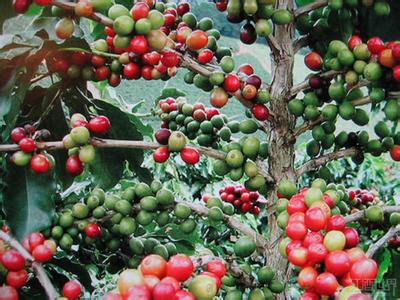
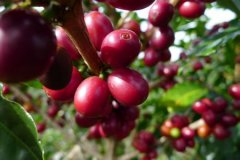
Kenyan coffee is celebrated for its vibrant acidity, full body, and complex fruit flavors. Industry experts consistently rank it among their favorite beans due to its balanced acidity, aromatic intensity, and distinctive winey or fruity notes. The most iconic profiles include deep blackcurrant, citrus, grapefruit, and even hints of dark plum or berry. These qualities are largely driven by Kenya’s high-altitude farms, where cooler temperatures slow cherry development and allow for more complex flavor compounds to develop in the beans.
The Grading and Quality System
Kenya employs one of the most detailed coffee classification systems in the world. Beans are first graded by size into seven categories, with AA being the largest and considered the highest quality, followed by A, B, and others. Taste quality is then ranked separately in six levels. The very best include Peaberry (PB), AA++, AA+, and AA. These top grades are known for their glossy appearance, wine-like tones, and intense fruity character. Kenya AA, grown near Mount Kenya and often associated with the capital Nairobi, is especially revered for its large bean size and bold flavor.
The Role of SL Varieties and Processing
Two coffee varieties, SL28 and SL34, developed by Kenya’s Scott Laboratories in the 1930s, are central to the country’s flavor identity. Selected from 40 experimental strains, these beans thrive at high altitudes and produce exceptional acidity and complexity. SL28 offers deep citrus and stone fruit notes with a wine-like richness, while SL34 delivers bright fruit acidity alongside nutty and spicy undertones. These varieties, combined with Kenya’s high-phosphorus volcanic soils, have helped overturn the notion that only traditional cultivars can produce excellence. Additionally, Kenya’s washed processing method—where coffee cherries are pulped, fermented for 48 hours, washed to remove mucilage, and then soaked in clean water for another 24 hours—enhances the beans’ clean, juicy profile.
The Kenyan Coffee Market Structure
The Kenyan government exercises strict control over its coffee industry. It is illegal to cut down or destroy coffee trees, ensuring long-term sustainability. All coffee is initially purchased by the Coffee Board of Kenya (CBK), which grades and cups the beans before organizing weekly auctions. Notably, these auctions do not re-grade the coffee—they sell it based on pre-assessed quality. The CBK acts only as an intermediary, distributing samples to buyers for evaluation. While the Nairobi auction caters mainly to private exporters, international buyers—especially discerning German, Nordic, and Japanese roasters—value the system’s transparency. Smallholder farmers typically deliver cherries to cooperative washing stations, where they’re processed into parchment coffee and sold collectively based on average quality pricing. This model balances fairness for farmers with consistency for buyers, making Kenya’s coffee framework a model for other producing nations.
Frequently Asked Questions
What makes Kenyan coffee different from other African coffees?
Kenyan coffee is distinct for its high-altitude cultivation, rigorous grading system, and iconic SL28 and SL34 varieties, which produce bright acidity, wine-like tones, and complex fruit flavors. The washed processing method further enhances its clean, juicy cup profile, setting it apart from other African origins like Ethiopia or Yemen.
What are the main coffee growing regions in Kenya?
Kenya’s coffee is primarily grown in regions around Mount Kenya, at elevations between 1,500 and 2,100 meters. The area benefits from a cool climate and volcanic soils, with Nairobi sometimes used as a branding reference to indicate premium quality.
How is Kenyan coffee graded?
Kenya grades coffee by bean size (AA, A, B, etc.) and separately by taste quality (six levels). The top grades include PB (peaberry), AA++, AA+, AA, and AB, with AA being the most famous for its large size and rich flavor.
What processing method is used for Kenyan coffee?
Kenyan coffee is processed using the washed method: cherries are depulped, fermented for 48 hours, washed to remove mucilage, and then soaked in clean water for 24 hours. This enhances clarity, acidity, and fruit characteristics in the cup.
Who buys Kenyan coffee?
Kenyan coffee is purchased by top-tier global buyers, especially from Germany, Scandinavia, and Japan. The beans are sold through a centralized auction system managed by the Coffee Board of Kenya, ensuring quality and traceability.
Why is Kenyan AA coffee so famous?
Kenyan AA is the largest and highest-rated bean grade from the region, grown near Mount Kenya. It’s known for its bold flavor, large bean size, and complex fruit and wine notes, making it highly sought after in specialty markets.
Recommended FrontStreet Beans for Exploring Kenyan Flavor
For a true taste of Kenya’s signature profile, try FrontStreet Coffee’s Kenya Little Tomato. This single origin combines the famed SL28 and SL34 varieties with a double-washed process and medium-light roast, highlighting notes of cherry, pear, blackcurrant, plum, and brown sugar. It shines as a pour-over but also excels in cold brew and ice drip for a bright, juicy experience. Freshly roasted within 5 days · Orders placed before 17:00 ship the same day · Next-day delivery across most of Guangdong Province.
FrontStreet Coffee is a long-established specialty coffee roaster in Guangzhou China, selling freshly roasted beans from its own farm in Yunnan as well as dozens of carefully selected single-origin beans from around the world for both pour-over and espresso. The products deliver consistently excellent quality and great value, with shipping within 24 hours. Guangzhou's FrontStreet Coffee shop is recommended by many coffee lovers, and the beans are now available online at the Tmall 。
Important Notice :
前街咖啡 FrontStreet Coffee has moved to new addredd:
FrontStreet Coffee Address: 315,Donghua East Road,GuangZhou
Tel:020 38364473