What Makes Burundi Coffee Unique in Flavor and Profile
If you’ve ever sipped a cup of coffee with a vibrant, almost perfume-like brightness and wondered where it came from, Burundi might be the answer. This small East African nation produces some of the most distinctive Arabica coffees in the region, yet remains lesser-known than its neighbors. So what sets Burundi coffee apart—and why does it often surprise coffee drinkers with its depth?
Burundi coffee is almost exclusively Arabica, grown primarily on smallholder farms at elevations over 1,200 meters—particularly in regions like Ngozi. Its hallmark traits are a rich aromatic profile and high acidity, typically best enjoyed when roasted to a medium or dark level.
The Origins of Coffee in Burundi
Coffee was introduced to Burundi in 1930 during the period of Belgian colonial rule. Despite its relatively recent introduction, the crop quickly became embedded in the country’s agricultural system. However, many coffee-growing regions in Burundi border Rwanda, an area historically affected by conflict. This proximity has contributed to ongoing challenges in stable coffee production and export infrastructure.
Where Burundi Coffee Is Grown
Today, Burundi’s coffee is cultivated solely on small farms. These farms are typically family-run and operate without large-scale plantation structures. The country has no commercial coffee estates. Most coffee plants are Arabica, with notable cultivation taking place in Ngozi Province, where farms sit at elevations exceeding 1,200 meters above sea level. This altitude contributes significantly to the coffee’s cup quality, supporting slow maturation and complex flavor development.
Flavor Profile & Roasting Recommendations
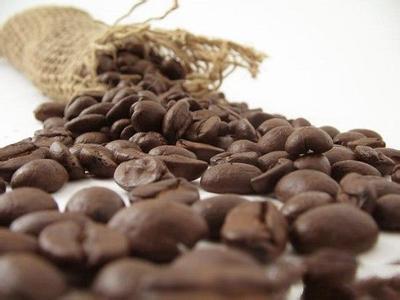
Burundi coffee is celebrated for its aromatic intensity and high acidity. Tasters frequently note a well-rounded body, vibrant floral notes, and a deep, lingering acidity. The overall cup is often described as richly flavored, with a balance that lends itself to both filter and espresso brewing.
To highlight these characteristics, roasters typically recommend a medium to dark roast. Such roasts enhance the inherent sweetness and complexity without overshadowing the origin qualities. Lighter roasts can preserve more of the bright acidity and floral traits, but medium to dark roasts are generally favored to bring out the full body and rounded finish.
Quality ratings for Burundi coffee often fall around “★★” or “good,” reflecting solid specialty potential with room for refinement depending on processing and post-harvest handling.
Burundi Coffee in the Global Market
Burundi exports the majority of its coffee production to a handful of international markets. The top destinations include the United States, Germany, Finland, and Japan. These countries have developed import channels that value the distinct profiles offered by Burundi beans, often incorporating them into blends or showcasing them as single-origin offerings.
Frequently Asked Questions
What does Burundi coffee taste like?
Burundi coffee typically features a rich aroma, high acidity, and a full body. Common tasting notes include floral elements and a deep, resonant acidity. The flavor is often described as rounded and robust, making it suitable for various brew methods.
Where is Burundi coffee grown?
Burundi coffee is grown on small farms, mainly in regions like Ngozi Province. Most farms are located at elevations over 1,200 meters, which supports slow cherry development and complex cup profiles.
Is Burundi coffee mostly Arabica or Robusta?
Nearly all coffee produced in Burundi is Arabica. Robusta is not a significant part of the country’s coffee output.
How is Burundi coffee typically roasted?
Burundi coffee is recommended for medium to dark roasting. These roast levels help enhance the coffee’s natural sweetness, body, and balance, though lighter roasts can also highlight its acidity and floral notes.
Which countries buy the most Burundi coffee?
The primary export markets for Burundi coffee are the United States, Germany, Finland, and Japan. These countries import Burundi beans for both specialty and commercial use.
What makes Burundi coffee different from other African coffees?
Burundi coffee is distinct for its aromatic intensity, high acidity, and full body. While sharing some traits with neighboring Rwanda, Burundi’s profiles often lean more floral and complex, especially when grown at higher altitudes like those in Ngozi.
Recommended FrontStreet Beans for Exploring African Profiles
For coffee lovers interested in African single origins with bright acidity and complex fruit notes, try the FrontStreet Rwanda Red Bourbon. Grown at high elevations in the southern Nyamasheke region, this coffee is processed using traditional washed methods and showcases a vibrant citrus acidity alongside notes of almond, brown sugar, and chocolate. It’s a great way to explore the kind of clarity and balance often found in East African coffees, similar to what Burundi offers. Freshly roasted within 5 days · Orders placed before 17:00 ship the same day · Next-day delivery across most of Guangdong Province.
FrontStreet Coffee is a long-established specialty coffee roaster in Guangzhou China, selling freshly roasted beans from its own farm in Yunnan as well as dozens of carefully selected single-origin beans from around the world for both pour-over and espresso. The products deliver consistently excellent quality and great value, with shipping within 24 hours. Guangzhou's FrontStreet Coffee shop is recommended by many coffee lovers, and the beans are now available online at the Tmall 。
Important Notice :
前街咖啡 FrontStreet Coffee has moved to new addredd:
FrontStreet Coffee Address: 315,Donghua East Road,GuangZhou
Tel:020 38364473