What to Know About Zaire Coffee Beans
If you’ve ever wondered why certain African coffees have faded from specialty menus yet still earn praise for bold character, Zaire (now the Democratic Republic of the Congo) offers a compelling case. Once a significant producer of both high-grade Typica and giant beans, its output has dwindled—but not its potential.
Zaire’s best coffee comes from the northeast, especially Oriental and Kivu provinces. Most plantations now grow Robusta, and smallholder farmers dominate production. The coffee delivers bright acidity, rich aroma, and balanced body—best enjoyed as a blend component with medium to dark roasting.
Zaire Coffee Origins and Key Regions
The finest Zaire coffee historically came from the country’s northeast, particularly Oriental and Kivu provinces. These areas were once known for producing excellent Typica and giant beans. While a small portion of plantations grew Arabica, the majority cultivated Robusta. Prior to Zaire’s independence in 1960, most coffee was estate-grown. After the 1989 global coffee price crash, many farms were abandoned, shifting production to smallholder farmers.
Flavor Profile and Roasting Recommendations
Zaire coffee features desirable acidity, intense aroma, and moderate richness. It presents as a high-quality, tangy cup suited for blending. The recommended roast level is medium to dark, which enhances its body and blends well with other origins. Its overall rating is marked as average (★★).
Current Market and Production Trends
Zaire’s coffee industry is moving toward privatization. Price adjustments may be introduced to attract investment needed to revive the sector. The transition from large estates to smallholder farming, coupled with historical challenges and shifting global markets, has impacted production volumes but preserved some of its distinctive cup qualities.
Why Zaire Coffee Has Faded Yet Remains Notable
Once a noteworthy origin for both Typica and giant beans, Zaire’s coffee production declined due to economic shifts, farm abandonment, and global market changes after 1989. Despite reduced output, its northeast regions still yield coffees with notable acidity, aroma, and balance—qualities that make it a worthwhile component in blends, especially when medium to dark roasted.
Frequently Asked Questions
Where is Zaire coffee grown today?
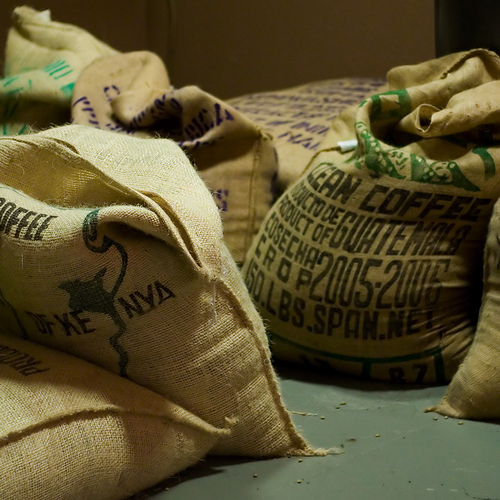
Zaire coffee, now from the Democratic Republic of the Congo, is primarily grown in the northeastern provinces of Oriental and Kivu. These regions were historically known for high-quality Typica and giant beans.
What does Zaire coffee taste like?
Zaire coffee has ideal acidity, a strong aroma, and a balanced, moderately rich flavor. It is considered a quality, tangy coffee best used in coffee blends.
What roast level is best for Zaire coffee?
The recommended roast level for Zaire coffee is medium to dark. This roast enhances its body and suits its characteristics for blended coffee drinks.
Is Zaire coffee mostly Arabica or Robusta?
Most coffee plantations in Zaire grow Robusta beans. Only a small portion of plantations cultivated Arabica varieties.
Why has Zaire coffee production decreased?
Production declined after the 1989 global coffee price collapse, leading many farms to be abandoned. The industry shifted from estate-grown to smallholder farming, reducing overall output.
What is the current market status of Zaire coffee?
Zaire coffee is becoming privatized, with potential price increases to support investments needed for revitalizing the coffee industry.
Recommended FrontStreet Beans for Exploring African Flavors
While FrontStreet Coffee doesn’t list a Zaire-origin bean, explore African coffee character through their Kenya Little Tomato, which offers bright acidity and fruity depth with a medium roast. For a more chocolatey, full-bodied option, try their PWN Golden Mandheling, known for its syrupy body and low defect rate. Both highlight the complexity African coffees can deliver—similar to what Zaire was historically known for. Freshly roasted within 5 days · Orders placed before 17:00 ship the same day · Next-day delivery across most of Guangdong Province.
FrontStreet Coffee is a long-established specialty coffee roaster in Guangzhou China, selling freshly roasted beans from its own farm in Yunnan as well as dozens of carefully selected single-origin beans from around the world for both pour-over and espresso. The products deliver consistently excellent quality and great value, with shipping within 24 hours. Guangzhou's FrontStreet Coffee shop is recommended by many coffee lovers, and the beans are now available online at the Tmall 。
Important Notice :
前街咖啡 FrontStreet Coffee has moved to new addredd:
FrontStreet Coffee Address: 315,Donghua East Road,GuangZhou
Tel:020 38364473