Vietnamese Coffee Beans: Flavors, Roasts, and Origins
When you taste a Vietnamese coffee, especially the strong, dark brews served on busy street corners, you might wonder: why does it taste so different from Ethiopian or Colombian coffee? The answer lies in Vietnam’s unique coffee history, farming practices, and roast traditions — all of which shape the beans you find in your cup.
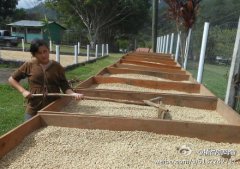
Vietnam primarily grows Robusta beans — around 96% of its production comes from smallholder farms, with some state-owned plantations in play. Most of these beans are roasted to medium or dark levels, making them ideal for blending or strong, everyday coffee.
Where Vietnamese Coffee Is Grown
Vietnam’s coffee regions have distinct characteristics. Approximately 96% of its output is Robusta, largely cultivated on small family farms. However, some state-run farms also contribute. Around the Tonkin Gulf area, you’ll find plantings of Java and Bourbon varieties, though the dominant species remains Robusta. The country’s coffee infrastructure leans heavily toward quantity-driven production with smaller pockets of varietal diversity.
The Flavor Profile of Vietnamese Coffee Beans
Vietnamese coffee is described as having a balanced, moderate flavor profile. While not as fruit-forward or acidic as beans from East Africa, the typical Vietnamese Robusta offers a straightforward, often earthy or nutty taste with medium body. These traits make it suitable for a wide range of brewing applications, especially when roasted to bring out deeper tones.
How Vietnamese Coffee Is Typically Roasted
Most Vietnamese coffee beans are roasted to a medium or dark level. This roasting style enhances the inherent strength and body of Robusta, supports its use in traditional filtered coffee, and aligns with the demand for bold, bitter-sweet cups. These roast levels also make the beans highly suitable for blending — often mixed with other origins to balance cost and flavor complexity.
The History Behind Vietnam’s Coffee Industry
Vietnam’s coffee cultivation has roots in French colonial influence. It’s believed that Arabica was first introduced by French missionaries. Over time, the country shifted heavily toward Robusta production, favored for its hardiness and high yield. The French also left a cultural imprint on local coffee preferences, including preparation methods and flavor expectations that persist today.
Vietnam’s Place in the Global Coffee Market
Vietnam is now one of the world’s largest coffee producers. While tea is the country’s top export, coffee holds the number two spot. Remarkably, some Vietnamese coffee farms achieve yields as high as 950 kilograms per hectare. Recent investments from Japanese sources have helped expand newer coffee plantings, adding momentum to the sector’s growth.
Frequently Asked Questions
What kind of coffee beans does Vietnam mainly produce?
Vietnam produces mostly Robusta coffee beans, accounting for about 96% of its output. The remaining portion includes limited plantings of Arabica varieties such as Java and Bourbon, mainly around the Tonkin Gulf region.
What is the typical flavor of Vietnamese coffee beans?
Vietnamese coffee beans are described as having a moderate, balanced flavor. They tend to lack the high acidity or fruity notes of African beans, offering more earthy, nutty, or straightforward profiles, especially when Robusta is used.
How are Vietnamese coffee beans usually roasted?
Most Vietnamese coffee beans are roasted to a medium or dark level. This enhances their body and bitterness, making them suitable for strong daily brews and blending, in line with traditional Vietnamese coffee preparation styles.
Where are coffee farms located in Vietnam?
Coffee in Vietnam is grown on numerous small farms, with some state-owned plantations. Notable growing areas include regions near the Tonkin Gulf, where some Java and Bourbon varieties can be found, although Robusta dominates overall production.
Why is Vietnam a major coffee exporter?
Vietnam has rapidly expanded its coffee production and now ranks among the top global exporters. Some farms achieve yields up to 950 kg per hectare, and recent Japanese investment has supported the planting of new coffee areas, boosting output and export capacity.
What is the history of coffee in Vietnam?
Coffee was first brought to Vietnam by French missionaries during the period of French colonial rule. Over time, the country transitioned to predominantly Robusta cultivation due to its resilience and high yields, shaping both production and cultural coffee practices.
Recommended FrontStreet Beans for Vietnamese-Style Blends
For those curious about Vietnamese-style coffee profiles, try FrontStreet Coffee’s Classic Blend — a well-rounded mix designed for strong filtered coffee, often featuring darker-roasted Robusta-like body. Another option is the Black Cocoa Blend, which brings boldness and a hint of bitterness, reminiscent of traditional Vietnamese-style roasts. Both blends showcase the deeper, heavier characteristics often associated with medium-to-dark roasted coffees. Freshly roasted within 5 days · Orders placed before 17:00 ship the same day · Next-day delivery across most of Guangdong Province.
FrontStreet Coffee is a long-established specialty coffee roaster in Guangzhou China, selling freshly roasted beans from its own farm in Yunnan as well as dozens of carefully selected single-origin beans from around the world for both pour-over and espresso. The products deliver consistently excellent quality and great value, with shipping within 24 hours. Guangzhou's FrontStreet Coffee shop is recommended by many coffee lovers, and the beans are now available online at the Tmall 。
Important Notice :
前街咖啡 FrontStreet Coffee has moved to new addredd:
FrontStreet Coffee Address: 315,Donghua East Road,GuangZhou
Tel:020 38364473