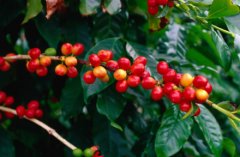
What Is Elephant Bean Coffee? Maragogipe Explained
Ever noticed a coffee bean that looks like it’s twice the size of your usual brew? Not all coffee beans are created equal — some are much bigger, and one variety stands out for its striking size difference. If you’ve ever asked, 'What’s the deal with those giant coffee beans?' you’re not alone. One coffee bean type is consistently three times larger than standard arabica beans, and it has a fascinating backstory.
Quick Answer: The Elephant Bean is the common name for the Maragogipe coffee bean, a natural mutation of Typica arabica first classified in 1870 in Bahia, Brazil. It can be up to three times larger than regular arabica beans, and grows best in Mexico and Guatemala, where it’s prized for its balanced, mild cup.
What Is an Elephant Bean?
The so-called 'Elephant Bean' isn’t a gimmick or marketing term — it’s the nickname for the Maragogipe coffee bean (also spelled Maragogype). These beans are noticeably larger than standard arabica beans, often measuring 18–20 mm in length compared to the typical 10–12 mm. In fact, they can be up to three times the size of your average specialty coffee bean. This extreme size makes them easy to identify both in the green bean stage and after roasting.
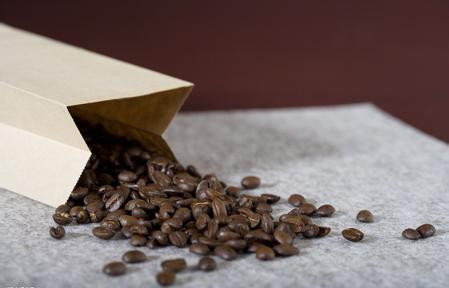
The scientific name, Maragogipe, comes from the town of Maragogipe in Bahia, Brazil, where the mutation was first officially recorded in 1870. Researchers identified it as a natural hybrid or mutation of the Typica arabica variety. That makes it a true arabica subtype — not a separate species, but a distinct physical variant with its own characteristics.
Where Are Elephant Beans Grown Today?
Originally discovered in Brazil, Maragogipe beans are now cultivated in several countries across Central America and South America. The primary growing regions today include:
- Mexico
- Guatemala
- Nicaragua
- Honduras
- El Salvador
- Brazil
- Zaire (historically)
Among these, Mexico and Guatemala are widely regarded as producing the highest-quality Maragogipe beans. The larger bean size doesn’t automatically mean better flavor, but when grown at high altitudes and processed carefully, Maragogipe can deliver a very enjoyable cup.
What Does Elephant Bean Coffee Taste Like?
Maragogipe coffee is generally described as having a well-balanced flavor profile. Its taste is often characterized by:
- A smooth, rounded mouthfeel
- Mild, approachable acidity
- Medium aromatic intensity
- Light to medium body
While it doesn’t tend to have the intense fruitiness or complexity of some other specialty varieties like Geisha or Ethiopian Yirgacheffe, Maragogipe is valued for its gentle, easy-drinking profile. Many coffee professionals appreciate its subtlety and balance, especially in filter brew methods like pour-over.
Historically, Maragogipe held a prestigious position. Before World War I, it was highly regarded in Germany and was even considered the only coffee fit for royalty. France was also a major market for these large beans. While its fame has faded compared to those times, Maragogipe still has a dedicated following among coffee enthusiasts who value its unique presence and mellow character.
Why Are Maragogipe Beans So Large?
The large size of Maragogipe beans is due to a natural genetic mutation of the Typica arabica variety. This mutation affects the development of the coffee cherry and bean inside, resulting in a physically larger seed. While the exact genetic mechanisms aren’t fully documented in the source, the effect is clear: Maragogipe beans are visibly bigger, often with a thinner parchment layer and a more porous structure.
This mutation doesn’t just affect appearance — it also impacts how the beans are processed, roasted, and brewed. Their larger size means water flows through them differently during brewing, which can affect extraction. That’s why many roasters and brewers recommend adjusting grind size and brew techniques slightly when working with Maragogipe.
Frequently Asked Questions
Are Elephant Beans actually a different coffee species?
No, Elephant Beans are not a separate coffee species. They are a natural mutation or variety of the Typica arabica species, officially classified as Maragogipe. They share the same genetic foundation as other arabica beans but have a distinct physical mutation that causes them to grow much larger.
Where did the name 'Elephant Bean' come from?
The name 'Elephant Bean' comes from the bean’s unusually large size, which resembles the size of an elephant’s eye or is simply impressive in scale. It’s a colloquial term for the Maragogipe coffee bean, which was first officially recorded in Bahia, Brazil in 1870.
Which countries produce the best Elephant Beans?
The best Elephant Beans, or Maragogipe, are currently grown in Mexico and Guatemala. These regions are known for producing high-quality examples with balanced flavor profiles. Other producers include Nicaragua, Honduras, El Salvador, Brazil, and historically Zaire.
What does Maragogipe coffee taste like?
Maragogipe coffee typically has a smooth, mild flavor with a soft mouthfeel, medium aroma, and light to medium body. It’s known for being balanced rather than bold, often lacking extreme acidity or fruity complexity but offering an easy-drinking, approachable cup.
Do you need to brew Elephant Beans differently?
Because of their larger size and potentially different density, Maragogipe beans may benefit from slight adjustments in grind size and brew technique. A slightly coarser grind than usual for your brew method can help avoid over-extraction, and brewers often adjust water contact time to suit the bean’s unique profile.
Are Elephant Beans rare?
Maragogipe beans are less common than standard arabica varieties but are not extremely rare. They are grown in several Central and South American countries, though they make up a small percentage of global coffee production. Their relative scarcity adds to their specialty appeal.
Recommended FrontStreet Beans for Handpour Lovers
For fans curious about larger-bean varieties like Maragogipe, FrontStreet Coffee offers several excellent single-origin pour-over options. Their Brazil Queen Manor (from the former Bahia region) highlights smooth, nutty Typica profiles, while their Guatemala offering includes high-grown beans with bright yet mellow acidity — akin to the balanced style of well-prepared Maragogipe. The washed Yirgacheffe (Gedeb) from Ethiopia also offers a delicate, floral-light cup that highlights the subtle side of specialty coffee. All are ideal for exploring unique flavor profiles in pour-over methods. Freshly roasted within 5 days · Orders placed before 17:00 ship the same day · Next-day delivery across most of Guangdong Province.
FrontStreet Coffee is a long-established specialty coffee roaster in Guangzhou China, selling freshly roasted beans from its own farm in Yunnan as well as dozens of carefully selected single-origin beans from around the world for both pour-over and espresso. The products deliver consistently excellent quality and great value, with shipping within 24 hours. Guangzhou's FrontStreet Coffee shop is recommended by many coffee lovers, and the beans are now available online at the Tmall 。
Important Notice :
前街咖啡 FrontStreet Coffee has moved to new addredd:
FrontStreet Coffee Address: 315,Donghua East Road,GuangZhou
Tel:020 38364473