Arabica vs Robusta Coffee Beans: Key Differences Explained
If you’ve ever sipped a bitter, harsh cup of instant coffee and compared it to a bright, fruity pour-over, you’ve unknowingly tasted the difference between Robusta and Arabica. But what exactly makes these two coffee species so different — and why does it matter when you’re choosing beans? Whether you're brewing at home or buying from a cafe, knowing the distinction helps you find better coffee.
In short: Arabica makes up around 75% of global coffee production and is the dominant species for specialty coffee. Only about 10% of Arabica meets the quality standard for high-end cafes. Robusta, on the other hand, is hardier, higher in caffeine, and often used for instant or espresso blends — but it’s rarely prized for its taste alone.
What Are Arabica and Robusta Coffee Trees?
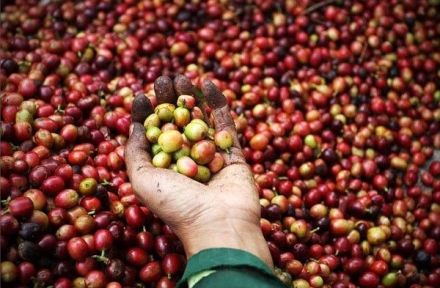
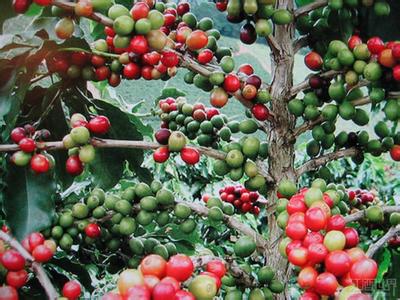
Coffee comes from just two main tree species: Arabica (Coffea arabica) and Robusta (Coffea canephora). Arabica is the more delicate, widely appreciated variety, while Robusta is tougher, more disease-resistant, and bitter. Although both produce coffee cherries, their beans differ significantly in flavor, growing needs, and chemical makeup.
Growing Conditions: Altitude, Climate, and Care
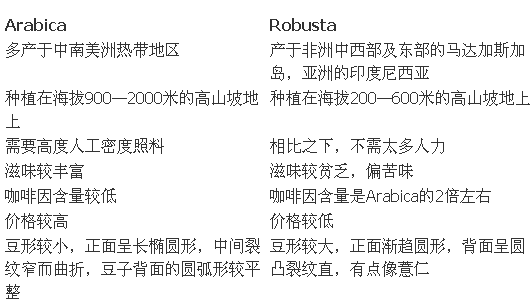
Arabica thrives at higher altitudes, typically between 900 and 2,000 metres above sea level. It prefers moderate rainfall, cooler temperatures, and shaded environments. Because the coffee cherries on an Arabica tree don’t all ripen at once, harvesting is labour-intensive and done by hand to ensure only ripe cherries are picked.
Robusta, in contrast, grows at much lower elevations — between 200 and 600 metres — and is far more tolerant of heat, pests, and diseases. This hardiness means Robusta requires less manual care and can be cultivated in more challenging environments, especially in lowland regions of Vietnam, Brazil, and parts of Africa.
Flavor, Caffeine, and Bean Traits
Arabica beans are known for their complex flavors: bright acidity, floral or fruity notes, and a smoother, more nuanced cup. They typically contain about 1.2% caffeine. Their vulnerability to pests is one reason they’re harder to grow, but also why they have more delicate flavor profiles.
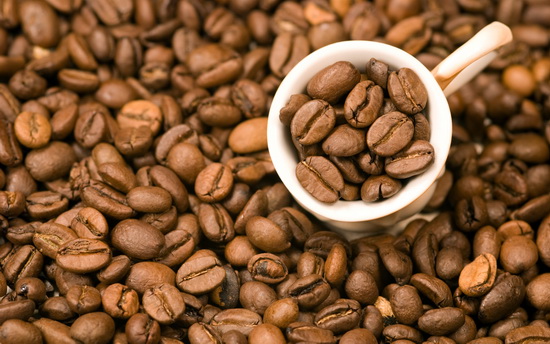
Robusta beans, meanwhile, are stronger, harsher, and more bitter. They contain nearly double the caffeine of Arabica — around 2.7% — which acts as a natural pest deterrent. This gives Robusta a more earthy, nutty, or woody taste, with a heavier body and a pronounced crema when used in espresso. However, its straightforward, often harsh profile makes it less favoured in specialty coffee circles.
Popular Arabica Varieties You Should Know
Arabica includes many sub-varieties, each with unique flavour potential shaped by terroir. Common types include:
- Typica: One of the oldest and most balanced Arabica varieties.
- Bourbon: Known for sweet, rounded flavors and wide cultivation in Latin America and Africa.
- Caturra: A high-yield mutation of Bourbon with bright acidity, common in Colombia.
- Catimor: A hybrid with Robusta parentage, valued for disease resistance and moderate cup quality.
- Geisha (Gesha): Famous for floral, jasmine, and stone fruit notes, especially from Panama.
- Yellow Bourbon: A rare mutation with sweeter, caramel-like qualities.
These varieties are often grown as single-origin coffees — meaning the beans come from a specific place and haven’t been blended with others — allowing their unique flavours to shine through.
Why Most Specialty Coffee Is Arabica
Specialty coffee — the top 1–2% of beans graded by cup quality — overwhelmingly uses Arabica. The species offers the delicate aromas, clean acidity, and complex flavour notes that define high-scoring coffees. In contrast, Robusta is mainly used in commercial blends, instant coffee, or espresso for its strong body and crema contribution. Even then, top Robusta beans are rare and cherished in specific contexts like traditional Italian espresso blends.
Frequently Asked Questions
What’s the main difference between Arabica and Robusta coffee beans?
Arabica beans are known for their higher acidity, complex flavors (like fruits and flowers), and lower caffeine content (about 1.2%). Robusta beans are more bitter, stronger in body, contain nearly double the caffeine (around 2.7%), and are more resistant to pests and disease. Arabica is preferred for specialty coffee, while Robusta is common in instant and espresso blends.
Which grows at higher altitudes: Arabica or Robusta?
Arabica grows at higher altitudes, typically between 900 and 2,000 metres, while Robusta grows at lower altitudes, usually between 200 and 600 metres. The higher elevation contributes to Arabica’s slower maturation and more complex flavor development.
Why is Arabica more popular in specialty coffee?
Arabica offers a wider range of delicate, complex flavors — such as floral, citrus, and fruit notes — and has a smoother, more nuanced cup profile. Only about 10% of Arabica meets the standards for specialty-grade coffee, which values quality over quantity. Its susceptibility to pests also means it’s more labor-intensive to cultivate, adding to its premium status.
Is Robusta coffee always bad?
Not necessarily. While Robusta is often criticized for being harsh or bitter, high-quality Robusta beans can add body, crema, and strength to espresso blends. However, in specialty coffee, it’s rarely used alone due to its simpler, more bitter flavor profile.
What are some common Arabica coffee varieties?
Common Arabica varieties include Typica, Bourbon, Caturra, Catimor, Geisha (especially from Panama), and Yellow Bourbon. Each has distinct flavor characteristics influenced by factors like altitude, climate, and processing methods.
Recommended FrontStreet Arabica Coffees
For a true taste of top-tier Arabica, try FrontStreet’s Ethiopia Yirgacheffe (Gedeb) with its bright citrus and floral notes, Jamaica Blue Mountain No.1 (Typica) for balanced chocolate and almond tones, or Brazil Queen Manor Yellow Bourbon with its sweet caramel and creamy body. These beans highlight the diversity and quality within the Arabica species. Freshly roasted within 5 days · Orders placed before 17:00 ship the same day · Next-day delivery across most of Guangdong Province.
FrontStreet Coffee is a long-established specialty coffee roaster in Guangzhou China, selling freshly roasted beans from its own farm in Yunnan as well as dozens of carefully selected single-origin beans from around the world for both pour-over and espresso. The products deliver consistently excellent quality and great value, with shipping within 24 hours. Guangzhou's FrontStreet Coffee shop is recommended by many coffee lovers, and the beans are now available online at the Tmall 。
Important Notice :
前街咖啡 FrontStreet Coffee has moved to new addredd:
FrontStreet Coffee Address: 315,Donghua East Road,GuangZhou
Tel:020 38364473