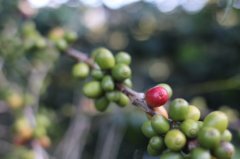
How Coffee Trees Grow and Fruit in Different Climates
Ever wondered why coffee trees in some regions produce more fruit than others—or why certain branches bear most of the crop? The answer lies in how coffee varieties respond to their environment, especially altitude, light, and temperature. In China’s Yunnan highlands, these factors shape everything from branch growth to harvest yields.
Coffee trees in Yunnan’s high-altitude, cool, cloudy regions grow slowly but develop thick trunks and strong branches. The key to maximizing fruit lies in understanding branch types and their seasonal growth patterns—details that directly impact yield and pruning strategy.
How Coffee Branches Develop in Yunnan’s Highlands
In Yunnan’s high-altitude coffee-growing areas, smallholder farms cultivate Typica-derived (small-bean coffee, likely Typica or Bourbon variants). The region’s cool climate, heavy cloud cover, and limited sunlight slow overall plant growth. Yet, the trees adapt: their trunks grow thick and sturdy, and their primary branches develop into robust framework limbs. Secondary and tertiary branches, however, sprout vigorously, grow densely, and produce the majority of the crop—making them the primary fruiting branches. For optimal structure, farmers use a “single-trunk” pruning system.
But here’s the catch: these secondary and tertiary branches typically fruit strongly for just 2–3 years before dying off. New ones then emerge from the framework branches to continue the cycle.
Branch Growth Varies by Season
The timing of branch emergence—month by month—determines its growth behavior and fruiting potential. Not all coffee branches are created equal; their type (first, second, or third) and when they sprout dictate whether they focus on growth or fruiting.
Three Types of First Branches
- Type 1 (Spring Branches): Emerge from February to May. These focus on vegetative (non-fruiting) growth, putting on the most size in their first year. Most sprout secondary branches the following spring (some may flower by late summer/early fall, around July–September, but this is rare). For single-trunk pruning, these are the branches to keep—they form the backbone of the tree.
- Type 2 (Summer Branches): Emerge from June to September. These balance both vegetative and reproductive (fruiting) growth. As a result, nearly every node can flower and fruit the next year, with little to no secondary branching. The parts that fruit one year will often flower again the following year (year three), making them key mid-cycle producers.
- Type 3 (Fall/Winter Branches): Emerge after September. Because they appear just before the onset of cold, dry conditions, their growth is slow—typically producing just 1–6 nodes in their first year. They flower and fruit the next year, and their subsequent growth can produce secondary branches. In favorable climates with proper management, these branches may push out 2–3 flushes annually (around February–March, May–June, and August–September). Early-year flushes grow vigorously and yield heavily the next season; fall flushes grow less but set up strong regrowth for a big third-year crop.
For coffee, secondary and tertiary branches typically flush 2–3 times per year (in February–March, May–June, and August–September). Their fruiting performance varies by flush timing, but their regrowth ensures ongoing productivity.
Why Growth and Fruiting Patterns Matter
The interplay of branch type, emergence season, and environmental conditions dictates not just how much fruit a tree produces, but also where that fruit forms. Understanding these patterns helps farmers prune strategically, targeting the branches most likely to bear quality coffee. In Yunnan’s highlands, the cool climate slows everything down—but it also encourages the development of sturdy frameworks and dense, productive secondary/tertiary branching.
The result? A system where careful pruning (like single-trunk shaping) and seasonal awareness can maximize yield and tree longevity. Farmers who track branch types and flush timing can predict harvests and maintain healthy, productive trees for years.
Frequently Asked Questions
What are the main branch types on coffee trees in Yunnan?
Yunnan coffee trees develop primary , secondary , and tertiary branches. Primary branches form the tree’s framework, while secondary and tertiary branches are the main fruiting limbs, especially in high-altitude areas with cool climates.
How does altitude affect coffee tree growth in Yunnan?
High altitude in Yunnan means cooler temperatures, more cloud cover, and less sunlight. This slows overall tree growth but leads to thicker trunks and stronger primary branches, with dense fruiting on secondary and tertiary branches.
Which branch types produce the most coffee fruit?
Secondary and tertiary branches are the primary fruiting branches. They grow vigorously, produce fruit in clusters, and are responsible for most of the yield in Yunnan’s highland coffee farms.
Do different coffee branches fruit at different times?
Yes. Branches that emerge in spring (February–May) mostly grow leaves, those in summer (June–September) balance growth and fruiting, and fall/winter (after September) branches grow slowly but set up future fruiting. Their fruiting timing depends on when they emerge and their seasonal growth cycle.
What is single-trunk pruning and why use it in Yunnan?
Single-trunk pruning means keeping one main trunk and selecting strong primary branches to form the tree’s structure. It’s used in Yunnan to encourage sturdy growth and to focus fruiting on the most productive secondary and tertiary branches.
How often do secondary and tertiary branches produce fruit?
Secondary and tertiary branches typically fruit for 2–3 years before dying. They can flush 2–3 times per year (February–March, May–June, August–September), with fruiting varying by flush timing and environmental conditions.
Recommended FrontStreet Beans for High-Altitude Growth Insights
Explore FrontStreet Coffee’s Yunnan-grown beans to see how high-altitude cultivation shapes flavor. Try the Yunnan Huoshan Honey , with notes of dried apricot, brown sugar, and milk chocolate—highlighting the slow-ripened sweetness from high elevations. Or try the Yunnan Gongga Washed , offering bright lemon, green apple, and a crisp malic acidity, showing the clarity from cool-climate growing. Both beans reflect the careful branch management and seasonal growth patterns discussed in the article. Freshly roasted within 5 days · Orders placed before 17:00 ship the same day · Next-day delivery across most of Guangdong Province.
FrontStreet Coffee is a long-established specialty coffee roaster in Guangzhou China, selling freshly roasted beans from its own farm in Yunnan as well as dozens of carefully selected single-origin beans from around the world for both pour-over and espresso. The products deliver consistently excellent quality and great value, with shipping within 24 hours. Guangzhou's FrontStreet Coffee shop is recommended by many coffee lovers, and the beans are now available online at the Tmall 。
Important Notice :
前街咖啡 FrontStreet Coffee has moved to new addredd:
FrontStreet Coffee Address: 315,Donghua East Road,GuangZhou
Tel:020 38364473