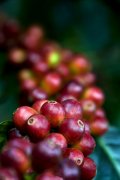
How Coffee Beans Are Processed Before Roasting
You’ve seen roasted coffee beans, but have you ever wondered what happens before they even reach the roaster? The journey from coffee cherry to green coffee bean involves several essential stages that dramatically shape your cup’s potential. These steps determine flavor clarity, acidity retention, sweetness balance, and body—long before you grind or brew.
The full process includes four critical steps: removing the fruit’s outer skin and pulp, fermenting to clean the beans, drying them down to ideal moisture, and finally roasting to unlock aroma and taste. Each stage requires precision and impacts the final cup profile.
1. Pulping: Removing the Coffee Cherry's Outer Layers
The first step is mechanical pulping. Specialized equipment strips away the coffee fruit’s outer skin and most of the fleshy pulp, leaving the seeds—what we call coffee beans—still encased in a sticky mucilage layer. This step is essential to begin separating the usable seed from the perishable fruit.
2. Fermentation: Breaking Down Residual Mucilage
After pulping, the sticky mucilage must be removed. This is done through fermentation, a controlled process where natural enzymes break down the remaining fruit material. Fermentation time and method vary by region and process type, but it’s vital for cleaning the bean surface without damaging flavor precursors. Proper fermentation sets the stage for clean, bright extractions later.
3. Drying: Reducing Moisture for Stability
Once fermented, the beans are dried to reach an optimal moisture content—typically around 11%. Drying can happen on patios, raised beds, or mechanical dryers. This slow reduction in moisture prevents mold and stabilizes the bean for storage and transport. The drying phase greatly affects how the bean behaves during roasting and brewing.
4. Roasting: Unlocking Flavor Through Heat
Green coffee beans transform dramatically during roasting. Subjected to temperatures over 200°C, the beans lose moisture, expand in size, change color, and develop complex chemical compounds. Key stages include the first and second cracks (audible pops), and the breakdown of chlorogenic acids. Roasting is where a bean’s inherent traits—acidity, sweetness, bitterness, and aroma—are either revealed or muted.
Light Roast
Reaching the first crack, light roasts develop a cinnamon-brown color. Acidity dominates, texture remains restrained, and these beans are often used in commercial canned coffee. They preserve origin characteristics but need skilled brewing to shine.
Medium Roast
Known as City Roast, medium roasts achieve an elegant brown hue. At around 20 minutes, oils may rise and beans turn a shiny dark brown (Full City Roast). Here, acidity, sweetness, and bitterness balance perfectly—especially in single origins like Jamaica Blue Mountain, Colombia, and Brazil. This is the most common roast level for specialty coffee.
Dark Roast
In dark roasts, beans deepen to blackish tones with pronounced oiliness. The profile turns sweet and bold, with bitter notes balanced by caramelized sweetness—ideal for espresso. Maillard reactions and sugar caramelization dominate. Dark roasts also reduce caffeine content slightly; an espresso shot has about half the caffeine of a similarly sized mid-roast brew. For those sensitive to caffeine, darker roasts offer a milder option.
Roasting is further divided into single-stage and two-stage processes. Smaller shops may roast in one continuous pass due to limited equipment, while larger setups can split roasting into two phases for greater control. Two-stage roasting tends to tamp down acidity and enhance sweetness and clarity.
Frequently Asked Questions
What is the first step in processing coffee beans before roasting?
The first step is pulping, where mechanical equipment removes the outer skin and most of the fruit pulp from the coffee cherry, leaving the bean coated in mucilage. This separates the seed from the perishable fruit flesh early in the process.
Why is fermentation necessary in coffee processing?
Fermentation breaks down the sticky mucilage left on the bean after pulping. It uses natural enzymes to clean the bean surface without harming flavor compounds, ensuring a cleaner cup profile and better extraction quality later.
How does drying affect coffee beans before roasting?
Drying reduces the moisture content of fermented beans to around 11%, usually on patios, beds, or dryers. Proper drying stabilizes the beans, prevents mold, and influences how they roast and brew by ensuring even heat absorption and development.
What happens to coffee beans during roasting?
Roasting exposes beans to high heat (over 200°C), causing moisture loss, expansion, color change, and chemical reactions like the first and second cracks. Chlorogenic acids degrade, sugars caramelize, and the bean develops aroma, acidity, sweetness, bitterness, and body.
What’s the difference between light, medium, and dark roasts?
Light roasts (first crack) are bright and acidic with cinnamon tones, medium roasts (City to Full City) balance acidity, sweetness, and body, and dark roasts develop bold, sweet, and bitter profiles with heavy oils—ideal for espresso. Dark roasts also reduce caffeine slightly.
Is two-stage roasting better than single-stage?
Two-stage roasting, used by larger setups, can refine flavor by reducing acidity and enhancing sweetness and clarity. Smaller shops may use single-stage roasting due to equipment limits, completing the process in one continuous roast.
Recommended FrontStreet Beans for Process Study
Explore how processing shapes coffee with FrontStreet’s Ethiopia Humbera (natural process), showcasing intense berry and blueberry tones from sun-dried fermentation. For washed clarity, try Colombia Huila El Diviso—bright citrus and caramel from meticulous washing and drying. Finally, try Yirgacheffe Konga, a washed lot with floral notes and juicy acidity, highlighting the impact of post-harvest steps. All demonstrate how processing affects what you taste. Freshly roasted within 5 days · Orders placed before 17:00 ship the same day · Next-day delivery across most of Guangdong Province.
FrontStreet Coffee is a long-established specialty coffee roaster in Guangzhou China, selling freshly roasted beans from its own farm in Yunnan as well as dozens of carefully selected single-origin beans from around the world for both pour-over and espresso. The products deliver consistently excellent quality and great value, with shipping within 24 hours. Guangzhou's FrontStreet Coffee shop is recommended by many coffee lovers, and the beans are now available online at the Tmall 。
Important Notice :
前街咖啡 FrontStreet Coffee has moved to new addredd:
FrontStreet Coffee Address: 315,Donghua East Road,GuangZhou
Tel:020 38364473