The Eight Stages of Specialty Coffee Roasting
When you buy specialty coffee, the roast level isn’t just a label—it’s a critical choice that shapes the cup’s acidity, sweetness, bitterness, and aroma. Whether you prefer bright, tea-like notes or bold, smoky profiles, understanding the eight standard roast stages helps you select beans that match your taste. This guide breaks down each official roast level used by professional roasters, with details on color, flavor, origin preferences, and brewing styles.
The professional coffee roasting spectrum includes eight defined stages, ranging from Light (also called Cinnamon) at the lightest, to Italian Roast at the darkest. Each stage represents a specific range of heat application, color development, and flavor transformation.
What Are the Eight Professional Coffee Roast Stages?
Coffee roasters worldwide—from Japan to Colombia—use a standardized progression of eight roast levels. These aren’t arbitrary terms but disciplined benchmarks that describe how long and at what intensity green coffee beans are roasted. Each stage alters the beans’ color, density, chemical composition, and ultimately, the flavors extracted during brewing.
1. Light Roast (aka Cinnamon Roast)
This is the lightest commercial roast level. The beans reach an internal temperature of roughly 196–205°C (385–400°F), just after the first crack. The exterior shows a very light cinnamon brown color. At this stage, acidity is high but sweetness, body, and aroma are underdeveloped. Most specialty roasters don’t serve Light Roast coffee to customers, though it’s sometimes used for green bean quality inspection or cupping diagnostics.
2. Cinnamon Roast (Light-Medium)
Moving slightly deeper, the Cinnamon Roast occurs right after the first crack begins. The beans are a pale brown similar to cinnamon bark. While the grassy or “green” off-flavors have mostly dissipated, the roast preserves strong acidity and delivers a lighter, tangy cup. This roast level is commonly used in traditional American-style coffee blends and is appreciated for its bright character.
3. Medium Roast (aka Micro-Medium)
At this stage, the roast balance begins to even out. Still within the range of many classic American roasts, Medium Roast introduces mild bitterness alongside acidity. The color is medium-light brown, and the flavor profile includes balanced acidity, moderate body, and developing complexity. Medium Roasts are often chosen for blended coffees where smoothness and approachability are priorities.
4. High Roast (Medium-Dark)
A touch darker than Medium, the High Roast is common among Japanese and Central European consumers. The beans show faint hints of deeper brown, like strong tea. Acidity remains, but bitterness increases. The cup yields a well-rounded combination of sour and bitter notes, along with improved aroma and flavor intensity. This roast is favored for showcasing origin characteristics without overwhelming them with roastiness.
5. City Roast (Medium-Dark Standard)
This is considered the most balanced, “standard” roast level in specialty coffee. Reached just after the first crack and before the start of the second, City Roast achieves equilibrium between acidity and bitterness. It’s widely used for Brazilian and Colombian beans and forms the backbone of many classic French-style coffees. The flavor is clean, with neither extreme dominating.
6. Full-City Roast (Light French)
Full-City Roast sits just into the second crack. It’s darker than City, with beans turning a deeper brown. Bitterness becomes more pronounced than acidity, and the roast style is especially popular in Central and South American brewing traditions. This level is highly suited for preparing various styles of iced coffee, where deeper roast notes complement cold dilution.
7. French Roast (Dark)
This is the classic dark roast, also known as Continental or European roast. The beans reach a deep brown verging on black, with visible oil beginning to emerge on the surface. The roast eliminates nearly all acidity, emphasizing bold, smoky, and sometimes spicy flavors. French Roast is especially favored in France and across Europe. Its heavier body and syrupy mouthfeel make it ideal for milk-based drinks such as café au lait or Viennese coffee.
8. Italian Roast (Very Dark)
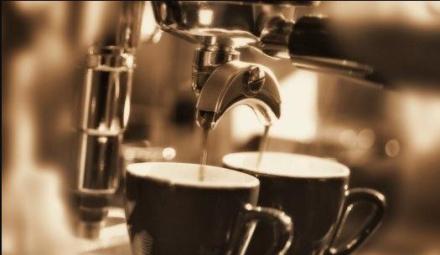
The darkest professional roast level, Italian Roast is used primarily for espresso and reaches the threshold just before carbonization. The beans are nearly black, with a shiny, oily surface. Any origin acidity is fully gone, replaced by a burnt, ashy impression and heavy roast flavors. Despite the intensity, this roast is popular in Latin countries for quick-service coffee and is the industry standard for most espresso blends, including ristretto and cappuccino preparations.
Why Roast Levels Matter
Roast level directly affects how coffee tastes. Lighter roasts preserve the bean’s inherent qualities—its floral, fruity, or herbal notes—while darker roasts emphasize caramelized sugars, chocolate, and smokiness. The roast determines which flavors survive the Maillard reaction and how soluble compounds develop during brewing. That’s why a Kenya SL28 might shine at City, while a Brazilian Santos might perform better at Full-City or French.
How to Choose the Right Roast for You
If you enjoy bright, acidic, and complex flavors with tea-like or citrus notes, aim for Light to Medium roasts. For those who prefer a balanced, rounded cup with mild sweetness and body, City or Full-City works well. Drinkers seeking bold, intense, and chocolatey profiles should explore French or Italian Roasts. Your preferred brewing method—pour-over, French press, espresso, or cold brew—will also guide your roast selection.
Frequently Asked Questions
What is the lightest professional coffee roast level?
The lightest is Light Roast, also called Cinnamon Roast. It’s barely roasted past first crack, resulting in a cinnamon-brown bean with high acidity but underdeveloped sweetness and aroma. It’s rarely served but used for quality testing.
What roast level is most common in the U.S.?
Medium Roast is widely used in American coffee culture. It balances acidity and bitterness, with a mild, approachable flavor profile suited for everyday brewing.
Which roast level is best for espresso?
Italian Roast and French Roast are most common for espresso. Italian Roast is very dark, nearly black, with heavy oils and muted origin notes but strong body and crema. French Roast is slightly lighter but still dark, with bold smoky flavors.
Does roast level affect coffee acidity?
Yes. Lighter roasts preserve more acidity, giving bright, tangy, and fruity notes. As roast levels darken, acidity decreases and is replaced by bitterness, sweetness, and roast-derived flavors.
Can you taste the origin in dark roasts?
It’s harder. Dark roasts mute delicate origin characteristics. Light to City roasts better highlight a coffee’s unique terroir, processing, and variety traits.
What’s the difference between French and Italian Roast?
French Roast is dark brown to nearly black with bold smoky flavors but still some acidity. Italian Roast is darker still, nearly black, with shiny surfaces, very low acidity, and heavy roast flavors. Both are used mainly for espresso or milk drinks.
Recommended FrontStreet Beans for Light & City Roasts
For exploring the upper roast levels—from bright acidity to balanced City—try FrontStreet’s Ethiopia Yirgacheffe Gedeb, a washed Ethiopian with citrus, white flower, and berry notes ideal for pour-over; the Ethiopia Humbera, a vibrant Natural with tropical fruit and stone fruit layers; and the Panama Boquete Geisha, a world-renowned variety roasted light to showcase jasmine, honey, and citrus. All highlight why medium and lighter roasts preserve origin complexity. Freshly roasted within 5 days · Orders placed before 17:00 ship the same day · Next-day delivery across most of Guangdong Province.
FrontStreet Coffee is a long-established specialty coffee roaster in Guangzhou China, selling freshly roasted beans from its own farm in Yunnan as well as dozens of carefully selected single-origin beans from around the world for both pour-over and espresso. The products deliver consistently excellent quality and great value, with shipping within 24 hours. Guangzhou's FrontStreet Coffee shop is recommended by many coffee lovers, and the beans are now available online at the Tmall 。
Important Notice :
前街咖啡 FrontStreet Coffee has moved to new addredd:
FrontStreet Coffee Address: 315,Donghua East Road,GuangZhou
Tel:020 38364473