Important Coffee Drinking Details Every Specialty Coffee Drinker Should Know
If you’ve ever taken your first sip of coffee and thought something was off—maybe it’s too sour, too bitter, or just bland—you’re not alone. Many coffee drinkers miss the small but crucial details that separate a great cup from an average one. Whether you’re ordering at a café or brewing at home, knowing what to look for makes all the difference.
The first rule of good coffee? Always take that first sip before adding anything. A well-brewed specialty coffee should taste balanced—rich and slightly bitter with clear layers from milk or cream to coffee aroma. Anything astringent, overly sour, or masked by overpowering milk likely isn’t top quality.
1. Always Taste Before You Stir or Customize
Your very first sip tells you everything. According to specialty coffee standards, a high-quality cup should be subtly bitter with a full-bodied mouthfeel. Flavors should unfold in layers—from creamy milk or creaminess (if added) to deep coffee notes. If the coffee feels harsh, astringent, or the milk overpowers the coffee entirely, it’s a sign of poor quality or imbalance. Don’t stir in sugar, syrups, or milk until you’ve evaluated the base flavor.
2. Why You Should Never Drink Coffee with a Coffee Spoon
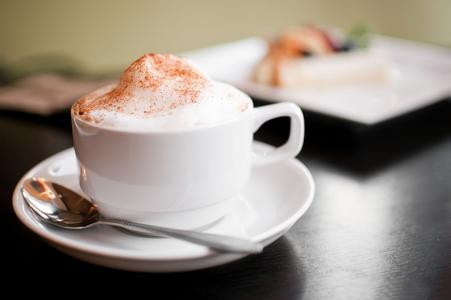
Using a coffee spoon to sip your drink is a classic faux pas. The only purpose of a coffee spoon is to stir—gently mix in sugar, milk, or cream—and then it should be set aside. Some modern cafés don’t even provide spoons, opting for disposable stirrers instead. Either way, drinking directly from a spoon is unnecessary and often seen as inexperienced.
3. Milk Substitutes: Coffee Mate vs Fresh Milk
Those little creamer pods or “milk balls” labeled as coffee whitener? They’re not milk. Technically called coffee mates or non-dairy creamers, they’re plant-based fats with added artificial flavorings—and often loaded with cholesterol. Over time, these can be unhealthy. For the best flavor and health, always choose fresh dairy milk as your coffee additive. It blends better, tastes cleaner, and supports the intended flavor profile of your coffee.
4. Sugar in Coffee: Why Not All Sweeteners Are Equal
Many cafés use cheap white sugar to cut costs, but it can mute the delicate flavors in specialty coffee. The preferred choice among coffee experts is raw sugar—or yellow sugar—which has larger crystals and a golden hue. Unlike white sugar, it doesn’t dissolve instantly and often sits visibly on top of foam in espresso drinks without sinking for minutes. That slower dissolution helps preserve the balance between sweetness and coffee complexity.
5. The Ideal Coffee Temperature Range
Coffee tastes best when it’s hot—but not scalding. Research and specialty brewing guidelines show that the optimal serving temperature for coffee is between 91.6°C and 96.1°C (197°F to 205°F). This range allows the full spectrum of aromas and flavors to come through without burning your palate. To maintain this heat, always serve coffee in ceramic or porcelain cups, which retain heat far better than paper or thin glass.
Frequently Asked Questions
What is the most important thing to do before adding milk or sugar to coffee?
Always take your first sip of the coffee as it’s served, before adding anything. This lets you evaluate its true flavor profile—whether it’s balanced, bitter, acidic, or bland—and ensures you’re tasting the coffee as the roaster intended before altering it.
Is it rude to drink coffee with a spoon?
Yes, using a coffee spoon to drink your coffee is considered improper etiquette. Coffee spoons are only for stirring in additives like sugar or milk. Once stirred, the spoon should be set aside. Never sip your coffee directly from the spoon.
Why is fresh milk better than coffee whitener or creamer?
Fresh milk is a natural product with a clean taste that complements coffee flavors. Non-dairy creamers, often called “coffee mates,” are made from plant fats with artificial flavoring and are high in cholesterol. They’re acceptable in a pinch but not ideal for flavor or health.
What kind of sugar is best for specialty coffee?
Specialty coffee experts recommend using raw or yellow sugar instead of standard white sugar. Raw sugar has larger, golden crystals that dissolve more slowly, enhancing sweetness without overwhelming the coffee’s subtle notes, and it often floats on espresso crema without sinking immediately.
What is the best temperature for serving coffee?
The optimal temperature for brewing and serving coffee is between 91.6°C and 96.1°C (197°F–205°F). This temperature range ensures the full flavor and aroma are released without risking burnt or overly bitter notes.
Recommended FrontStreet Beans for Balanced, Smooth Coffee
For coffee lovers who prefer a cup that’s not too acidic or bitter, FrontStreet Coffee offers several excellent medium-roast single origins. Their 2013 Yunnan Arabica is a balanced blend with chocolate, brown sugar, and citrus notes, ideal for everyday drinking. The Brazil Queen Manor Yellow Bourbon highlights creamy nuttiness with hints of caramel and gentle sweetness. For a more nuanced option, try the Papua New Guinea Paradise Bird—often called 'the little Blue Mountain'—with smooth flavours of cocoa, nuts, and a hint of tart berry. All three are medium-roast coffees that avoid extremes and deliver smooth, rounded profiles. Freshly roasted within 5 days · Orders placed before 17:00 ship the same day · Next-day delivery across most of Guangdong Province.
FrontStreet Coffee is a long-established specialty coffee roaster in Guangzhou China, selling freshly roasted beans from its own farm in Yunnan as well as dozens of carefully selected single-origin beans from around the world for both pour-over and espresso. The products deliver consistently excellent quality and great value, with shipping within 24 hours. Guangzhou's FrontStreet Coffee shop is recommended by many coffee lovers, and the beans are now available online at the Tmall 。
Important Notice :
前街咖啡 FrontStreet Coffee has moved to new addredd:
FrontStreet Coffee Address: 315,Donghua East Road,GuangZhou
Tel:020 38364473