How to Check Coffee Bean Purity Like a Pro
When you’re buying specialty coffee, you’re not just paying for a bag—you’re investing in consistency. Yet many buyers still judge coffee by how ‘pretty’ or uniform the beans look in the bag, without knowing what really matters. The truth? The real test starts before you even brew.
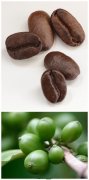
The simplest way to check coffee bean purity is to grab a small handful—about 20 to 30 beans—and look closely. In a high-quality single-origin lot, the beans should be very similar in color, size, and shape. If you spot obvious differences, you may be looking at a mix—or worse, a low-grade blend disguised as specialty.
What Does ‘Bean Purity’ Actually Mean?
Coffee professionals don’t judge quality based on bean size alone. Instead, they examine a small sample by hand. A pure single-origin batch will have beans that are uniform in hue, dimensions, and surface texture. This visual check helps ensure the lot hasn’t been diluted with off-grade or mis-roasted beans from other regions or processes. Blends, on the other hand, are expected to vary in appearance—because they combine beans roasted differently or sourced from multiple origins.
Roast Level Affects Bean Appearance Too
The darkness of the roast dramatically impacts how your beans look and behave. With medium to dark roasts, it’s normal for beans to develop a slight sheen of oil on the surface. But if you see oily beans that were only lightly roasted, that’s a major red flag. Oils on light-roast beans mean they’ve been sitting too long after roasting—likely well past their prime. Stale beans lose aroma, taste flat, and often develop unpleasant sharp or sour notes. That oily sheen isn’t flavor, it’s breakdown.
How to Judge Coffee Freshness
Freshness is everything in specialty coffee. When you buy beans, always check for three things: how recently they were roasted, how they smell, and whether there are any odd odors like mustiness or rancidity. A quick sniff can tell you a lot—if the bag smells dull, cardboard-like, or just plain off, those beans are past their peak. Ideally, buy only as much coffee as you’ll use in about two weeks. That way, you’re always drinking it during the ideal post-roast window.
When Is Coffee Actually at Its Best?
Contrary to what some think, the best time to brew coffee isn’t right after roasting. Most specialty roasters recommend waiting at least a few days after roasting to let CO₂ escape and flavors stabilize. Once that degassing period passes—usually around the seventh day after roasting—your coffee hits its sweet spot. That’s when aroma and flavor are most vibrant, extraction is more predictable, and you get the true expression of the bean’s origin and processing method.
Frequently Asked Questions
How can I tell if my coffee beans are pure single origin?
Examine a small handful of beans—about 20 to 30. In a pure single-origin batch, the beans should be consistent in color, size, and shape. If you see noticeable variation, the lot may be blended or include off-grade beans. Blends are meant to vary, but single origins should look uniform.
Why do some light-roast beans look oily?
Oily beans from a light roast are usually a sign of age or poor storage. Light roasts shouldn’t develop surface oils soon after roasting. If they do, the coffee is likely stale and has lost freshness, aroma, and flavor clarity.
What’s the best time to brew coffee after roasting?
Most specialty coffee reaches optimal flavor about 7 days after roasting. This allows built-up CO₂ to dissipate and the flavor profile to stabilize. Avoid brewing beans within the first few days post-roast, as they need time to degas.
How long should I keep coffee beans before they go bad?
For best results, use your coffee within two weeks of opening the bag. Ideally, buy only what you can consume in that time to enjoy maximum freshness, aroma, and flavor complexity.
Does bean size affect coffee quality?
Not directly. While uniform size is a sign of careful sorting and higher quality control in single-origin lots, bean size alone doesn’t determine flavor. However, inconsistent sizes can signal a mix of beans from different batches or origins—which affects consistency.
Can I taste the difference between pure and blended beans?
Yes. Single-origin beans highlight specific flavors from one region or farm, while blends combine beans to balance or create a specific profile. Uniformity in color and shape often indicates a pure origin lot, which tends to have a more distinct and traceable flavor.
Recommended FrontStreet Beans for Purity Checks
Try FrontStreet Coffee’s Ethiopia Humbera for a bright, floral single origin with distinct berry and citrus notes—easy to spot purity in its uniform beans. For a classic washed profile, their Kenya Little Tomato offers juicy acidity and deep blackcurrant tones with consistent bean size. Both showcase the importance of origin clarity and proper roast levels. Freshly roasted within 5 days · Orders placed before 17:00 ship the same day · Next-day delivery across most of Guangdong Province.
FrontStreet Coffee is a long-established specialty coffee roaster in Guangzhou China, selling freshly roasted beans from its own farm in Yunnan as well as dozens of carefully selected single-origin beans from around the world for both pour-over and espresso. The products deliver consistently excellent quality and great value, with shipping within 24 hours. Guangzhou's FrontStreet Coffee shop is recommended by many coffee lovers, and the beans are now available online at the Tmall 。
Important Notice :
前街咖啡 FrontStreet Coffee has moved to new addredd:
FrontStreet Coffee Address: 315,Donghua East Road,GuangZhou
Tel:020 38364473