How Coffee Is Harvested: What Every Specialty Bean Lover Should Know
If you’ve ever wondered why some coffees taste clean and bright while others have off-flavors or inconsistencies, the way the coffee cherries were picked plays a huge role. From the mountains of Central America to the plantations of Brazil, how coffee is harvested directly impacts what ends up in your cup.
In short: most high-quality Arabica is hand-picked to select only ripe cherries, while cheaper Robusta is often strip-harvested by machines or shaking, which pulls unripe and overripe fruit along with the good. This difference affects flavor, defect rates, and processing methods.
When Is Coffee Harvested?
Coffee is generally harvested once or twice a year—sometimes up to three or four times in regions with extended growing seasons. Most harvests take place during the dry season when conditions are better for drying. For example, Brazil’s harvest runs roughly from June (starting in the northeastern Bahia state) and moves southward, ending around October in Paraná. In Central America, the season typically spans from September to January, moving from lower to higher altitudes.
Two Main Harvesting Methods
Globally, coffee is picked in one of two ways: hand-picking (selective harvesting) or mechanical shaking (strip harvesting). The method used has a major influence on the quality and uniformity of the harvested cherries.
1. Hand-Picking (Selective Harvesting)
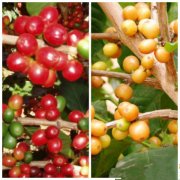
Used in most Arabica-growing countries outside Brazil and Ethiopia, hand-picking involves manually selecting only the red, ripe coffee cherries. However, even with skilled pickers, some green (unripe) or overripe cherries, along with leaves and twigs, can end up mixed in. This is especially problematic when the coffee is processed using the natural (dry) method, as unripe beans can develop foul, unpleasant flavors during roasting and brewing.
2. Mechanical Shaking (Strip Harvesting)
This method involves shaking the coffee tree or striking branches with sticks to make ripe cherries fall to the ground. On larger farms, mechanical harvesters are used; smaller farms may rely on manual shaking by family labor. While efficient, this approach collects all cherries regardless of ripeness—including underripe, overripe, and damaged ones—resulting in a higher proportion of defective beans. Some regions using this method also report unusual off-flavors, particularly if the cherries come into contact with damp ground and begin to ferment. Brazil and Ethiopia, two leading Robusta producers, commonly use this method.
Farms that shake coffee off the tree often use the natural drying process too. But this becomes difficult in regions without distinct dry and rainy seasons. Rain can ruin drying parchment, so successful natural processing depends heavily on a clear dry season.
Why Harvesting Method Matters for Coffee Quality
The way coffee cherries are collected determines how uniform the batch is, how many defects enter the processing stage, and ultimately how the coffee tastes after roasting. Hand-picking allows for selective harvesting of only ripe fruit, crucial for high-quality washed and natural process coffees. Mechanical harvesting, faster and cheaper, increases yield but also defect rates, often leading to inconsistency in the cup.
Frequently Asked Questions

How many times a year is coffee usually harvested?
Most coffee regions harvest once or twice a year, though some areas with ideal conditions can have three or four harvests annually.
When is the typical coffee harvest season?
In Brazil, harvest runs from around June (starting in Bahia) to October (ending in Paraná). In Central America, it’s typically from September to January, moving from low to high elevations.
What is the difference between hand-picking and mechanical harvesting?
Hand-picking involves manually selecting only ripe coffee cherries, while mechanical harvesting shakes the tree to drop all cherries—ripe or not—resulting in more defects and inconsistent quality.
Does the harvesting method affect coffee flavor?
Yes. Hand-picking helps ensure only ripe cherries are processed, leading to cleaner, more consistent flavors. Mechanical methods that include unripe or damaged cherries often result in off-flavors or higher defect rates.
Is natural drying possible in rainy climates?
Natural (dry) processing is difficult in regions without a clear dry season, as rain can disrupt drying and lead to fermentation or mold. Most natural-processed coffees come from areas with distinct wet and dry periods.
Which countries use mechanical harvesting the most?
Brazil and Ethiopia, major producers of Robusta coffee, commonly use mechanical or shaking methods due to cost and scale. Many large farms in these countries rely on this approach for efficiency.
FrontStreet Coffees That Highlight Harvest Quality
Try FrontStreet Coffee’s Ethiopia Yirgacheffe for a bright, floral cup that benefits enormously from careful hand-picking and washed processing. Their Colombia Huila offers balanced acidity and fruit notes, sourced from regions where selective harvesting is standard. For a deeper profile, their Brazil Cerrado lot shows how even a strip-harvested origin can produce clean, sweet cups when managed well. All three demonstrate how harvest methods influence what ends up in the cup. Freshly roasted within 5 days · Orders placed before 17:00 ship the same day · Next-day delivery across most of Guangdong Province.
FrontStreet Coffee is a long-established specialty coffee roaster in Guangzhou China, selling freshly roasted beans from its own farm in Yunnan as well as dozens of carefully selected single-origin beans from around the world for both pour-over and espresso. The products deliver consistently excellent quality and great value, with shipping within 24 hours. Guangzhou's FrontStreet Coffee shop is recommended by many coffee lovers, and the beans are now available online at the Tmall 。
Important Notice :
前街咖啡 FrontStreet Coffee has moved to new addredd:
FrontStreet Coffee Address: 315,Donghua East Road,GuangZhou
Tel:020 38364473