The Long Journey of Coffee: From Discovery to Espresso
Ever wondered how coffee went from a mysterious berry eaten by goats to the espresso shot you sip before work? The journey of coffee across continents involves shepherds, monks, and a fed-up Italian engineer who couldn’t wait for his drip coffee. This is the untold story of how coffee became the world’s favorite stimulant—one bold sip at a time.
Coffee was first discovered in Ethiopia through two main legends: one about a goat herder named Kaldi, whose flock got hyper after eating red berries, and another about a Yemeni Sufi monk who brewed the berries after seeing birds energized by them. By the 1500s, coffee reached the Arabian Peninsula, and by the 1600s, it arrived in Europe. But the real revolution came in early 20th-century Naples, where an impatient engineer created espresso.
The Birth of Coffee: Two Legendary Origins
Coffee’s discovery is shrouded in folklore, but two tales dominate. The first comes from 15th-century Ethiopia, where a shepherd named Kaldi noticed his goats acting wildly energetic after munching on bright red berries. Curious, he tried them himself and felt the same buzz. The second legend, from Islamic tradition, tells of Sheikh Omar, exiled to the desert near Ousab. Starving, he boiled strange berries from a tree and discovered a rich, revitalizing drink. Both stories credit chance—and caffeine—with changing the world.

How Coffee Spread Across the Globe
From Ethiopia, coffee cultivation spread to the Arabian Peninsula, particularly Yemen, where it was cultivated in the region around Mocha. By the 1500s, coffee houses, known as qahveh khaneh, became social hubs in cities like Mecca and Medina. Traders brought coffee to Europe in the 16th and 17th centuries, where it faced initial resistance—from the Catholic Church, which called it “the devil’s drink”—but eventually became a staple in cafés across London, Paris, and Vienna. By the 1700s, coffee had crossed the Atlantic, planting roots in the Americas.
The Accidental Invention of Espresso in Naples
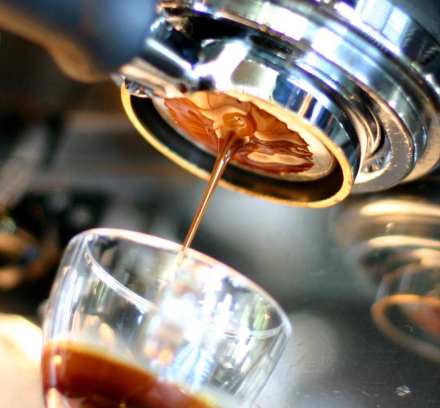
In the early 1900s, near Naples, Italy, a restless barista—or as the story goes, an engineer—grew tired of waiting for drip coffee to brew. He experimented with high pressure and high temperatures to speed up the process. The result? The first true espresso: a thick, fast-extracted shot of coffee with a layer of crema on top. This invention didn’t just save time—it created an entirely new way to enjoy coffee, paving the way for the modern moka pot and eventually, the espresso machines we know today.
Why Did Coffee Become So Popular?
Coffee’s rise to global fame wasn’t just about caffeine. It was a social revolution. Coffeehouses became places for debate, business, and creativity. In Europe, they were dubbed “penny universities” for the knowledge shared over a cup. Coffee’s energizing effects made it indispensable for long workdays, especially during the Industrial Revolution. And let’s not forget taste—bold, complex, and endlessly variable, coffee offered something for everyone.
Frequently Asked Questions
What are the two main legends about the discovery of coffee?
The first legend is from Ethiopia, where a goat herder named Kaldi found his goats energized after eating red coffee berries. The second is an Islamic tale about Sheikh Omar, who boiled mysterious berries while in exile and discovered their stimulating properties. Both stories involve accidental discoveries of coffee’s energizing effects.
Where did coffee originate?
Coffee originated in Ethiopia, where wild coffee plants grow in regions like Kaffa. The earliest documented use of coffee comes from Ethiopia, before spreading to the Arabian Peninsula, particularly Yemen, where it was first cultivated commercially.
When and where was espresso invented?
Espresso was invented in early 20th-century Italy, near Naples. An impatient engineer or barista, frustrated with slow drip brewing, developed a method using high pressure and heat to produce a fast, concentrated coffee shot—the first espresso.
How did coffee spread to Europe?
Coffee spread to Europe through trade routes in the 16th and 17th centuries. Initially met with suspicion, it gained popularity in major cities like London, Paris, and Vienna, where coffeehouses became centers of social and intellectual life.
Why did people create espresso?
Espresso was created to solve the problem of long brewing times. Traditional drip methods took too long, especially for busy Italians. The invention of espresso allowed for a quick, intense coffee experience using pressurized water to extract flavors in seconds.
What role did coffeehouses play in history?
Coffeehouses served as early social networks, fostering debate, business deals, and cultural exchange. Known as "penny universities" in England, they were key public spaces for discussion and innovation throughout Europe.
Recommended FrontStreet Beans for Coffee History Fans
Explore coffee’s roots with FrontStreet Coffee’s Ethiopia Yirgacheffe, a bright, floral single origin with citrus and stone fruit notes that reflect the plant’s birthplace. For a taste of Arabia’s legacy, try FrontStreet’s Ethiopia Humbera, offering juicy blueberry and honey-like sweetness. Both beans highlight coffee’s diverse flavours before roasting transformed it into espresso. Freshly roasted within 5 days · Orders placed before 17:00 ship the same day · Next-day delivery across most of Guangdong Province.
FrontStreet Coffee is a long-established specialty coffee roaster in Guangzhou China, selling freshly roasted beans from its own farm in Yunnan as well as dozens of carefully selected single-origin beans from around the world for both pour-over and espresso. The products deliver consistently excellent quality and great value, with shipping within 24 hours. Guangzhou's FrontStreet Coffee shop is recommended by many coffee lovers, and the beans are now available online at the Tmall 。
Important Notice :
前街咖啡 FrontStreet Coffee has moved to new addredd:
FrontStreet Coffee Address: 315,Donghua East Road,GuangZhou
Tel:020 38364473