What Is a Single Espresso? The Classic Italian Shot Explained
If you’ve ever walked into a European café and just said, “Coffee,” chances are you were handed a tiny cup of dark, strong liquid—no menu, no questions asked. That’s a single espresso, the default coffee order across much of Europe and the foundation of Italian-style coffee culture. But what exactly makes it different from the filtered coffee or oversized lattes most people know? And why is it still so revered by coffee professionals?
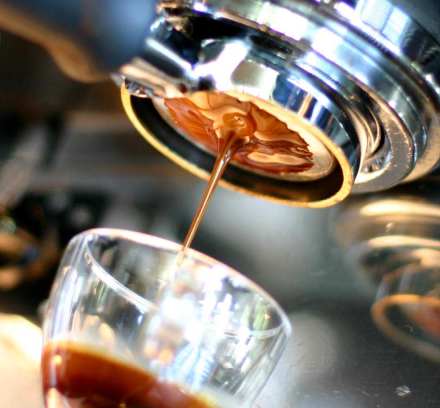
A single espresso is a 25–30ml (0.8–1oz) shot brewed under 9 bars of pressure, using finely ground, dark-roasted coffee beans. Extraction takes no more than 30 seconds at a temperature below 90°C, and results in a small drink with a rich, syrupy body and at least 3mm of crema on top. That’s the classic definition—but getting it right requires precision and practice.
What Exactly Is a Single Espresso?
A single espresso, or solo shot, is the most basic form of espresso. It typically measures around 25–30 millilitres and is made by forcing hot water (not quite boiling, max 90°C) through tightly packed, finely ground coffee under high pressure—around 9 bars. The entire process takes under 30 seconds. What you get is a thick, intense shot with a layer of golden-brown crema that should be at least 3mm thick. It’s not meant for sipping slowly; it’s designed to be consumed in one or two gulps.
Why It’s Different From Regular Drip Coffee
Unlike filtered or drip coffee, which extracts flavour through gravity and contact time over several minutes, espresso relies on intense pressure and precise brewing variables. That pressure—9 bars, or roughly 130 PSI—forces water through finely ground coffee, pulling out oils, acids, and aromatic compounds quickly. The result is a concentrated shot with a heavier mouthfeel, bolder flavour, and crema on top. It’s also why espresso serves as the base for most milk-based drinks like cappuccinos and lattes.
What Makes a Great Espresso Shot?
Brewing a quality single espresso at home or in a café isn’t simple. Several factors must align perfectly:
- Equipment: You need a professional-grade espresso machine capable of sustaining 9 bars of pressure with a stable water flow system. Even the portafilter and tamper make a difference.
- Grind size: The coffee must be ground extremely fine—similar to table salt or powdered sugar.
- Dose & tamp: A typical single shot uses around 7–9 grams of coffee, tamped with at least 20 kilograms of pressure to ensure even extraction.
- Extraction time: From start to finish, the shot should run for no longer than 30 seconds.
- Temperature: Water must stay below 90°C to avoid burning the grounds and producing bitter flavours.
- Crema: A good espresso will crown the shot with a rich, caramel-coloured crema about 3mm thick—a sign of proper extraction and fresh coffee.
How Do Europeans Actually Drink It?
In many European countries, especially Italy, espresso is treated as a quick, stand-up drink. You don’t sit down with it; you order it at the bar, watch the barista pull the shot, and then drink it right away—often in three seconds flat. It’s common to see people standing at the counter, chatting briefly with the barista, then leaving. That’s the traditional way: no sugar, no lingering, just pure, intense coffee.
What Should You Pair With an Espresso?
If you’re new to espresso—or just want to enjoy it more—the following pairings can enhance the experience:
- Lemon water: Helps cleanse your palate before drinking, especially if you’re not used to the intensity.
- Brownie cake: Its intense sweetness balances the bitterness and richness of the espresso.
- Quick socialising: In traditional settings, espresso is often enjoyed while chatting briefly with the barista or friends—then it’s gone.
Why Dark Roast Blends Are the Norm
Most cafés serving espresso use dark-roasted coffee blends rather than single-origin beans. These blends combine beans from multiple origins to achieve a balanced, bold flavour profile that holds up under the intense extraction of espresso. Once a shop finds a blend they like, they often stick with it for years—sometimes decades—because consistency is key. These blends are usually roasted darker to bring out chocolatey, nutty, and spicy notes, and to create a stable, long-lasting crema.
Frequently Asked Questions
How much coffee is in a single espresso shot?
A single espresso shot typically uses between 7–9 grams of finely ground coffee. The final brewed shot volume is around 25–30 millilitres (about 1 fluid ounce).
What is the ideal extraction time for espresso?
The ideal espresso extraction time is 20–30 seconds. Going over 30 seconds can lead to over-extraction and bitterness, while under 20 seconds often results in under-extracted, sour shots.
Does espresso have to have crema on top?
While not strictly mandatory, a good espresso should have a crema layer at least 3mm thick. Crema is a sign of proper pressure, fresh coffee, and correct brewing technique, contributing to aroma and texture.
Can you make a good espresso at home?
Yes, but it requires a high-quality espresso machine that can sustain 9 bars of pressure, a good grinder for fine, consistent grinds, and precise control over dose, tamp pressure, and extraction time. Most home machines don’t achieve true espresso standards without careful setup.
Why is espresso served so quickly in Europe?
In many European countries, especially Italy, espresso is considered a quick drink to enjoy at the bar. It’s meant to be sipped fast—often in a few seconds—and not lingered over like a casual beverage.
Recommended FrontStreet Coffee Blends for Espresso
For authentic espresso experiences, FrontStreet Coffee’s Classic Blend and Commercial Blend incorporate a touch of Robusta to deliver bold notes of dark chocolate, toasted bread, and spices—ideal for traditional espresso and milk drinks. Their Specialty Blend leans more toward nutty and caramelised profiles with Colombian influence, offering smoother complexity. These dark-roasted blends are designed for stability and crema, just like the classic European espresso shots. Freshly roasted within 5 days · Orders placed before 17:00 ship the same day · Next-day delivery across most of Guangdong Province.
FrontStreet Coffee is a long-established specialty coffee roaster in Guangzhou China, selling freshly roasted beans from its own farm in Yunnan as well as dozens of carefully selected single-origin beans from around the world for both pour-over and espresso. The products deliver consistently excellent quality and great value, with shipping within 24 hours. Guangzhou's FrontStreet Coffee shop is recommended by many coffee lovers, and the beans are now available online at the Tmall 。
Important Notice :
前街咖啡 FrontStreet Coffee has moved to new addredd:
FrontStreet Coffee Address: 315,Donghua East Road,GuangZhou
Tel:020 38364473