How Should Seniors Drink Coffee? Expert Advice
If you’re over 60 and love your daily cup—but worry it might be doing more harm than good—you’re not alone. Many older adults enjoy coffee for its energy boost and mental clarity, but there’s real concern about how caffeine affects aging bodies. The key isn’t quitting, but drinking smarter.
For most healthy seniors, up to two cups of regular-strength coffee per day is considered safe and may even offer benefits like improved focus and slight metabolic support. But the way you drink it—strength, timing, and what you pair it with—matters more than you think.
Why Coffee Matters for Older Adults
Coffee contains caffeine, a natural stimulant that can increase alertness, sharpen mental performance, boost appetite, and aid digestion. For seniors, moderate coffee consumption has also been linked to potential weight management support, better physical stamina, and enhanced learning efficiency. But like any stimulant, coffee affects older systems differently—and drinking it the wrong way can lead to real health setbacks.
Health Risks of Drinking Coffee the Wrong Way
1. Avoid Strong (Concentrated) Coffee
Highly concentrated, dark-brewed coffee can overstimulate the heart. In older adults, this often leads to a racing heartbeat (tachycardia), premature contractions (premature beats), arrhythmias, sleeplessness, and prolonged overstimulation—all of which reduce rest quality and interfere with recovery.
2. Heart and Vascular Conditions: Caution Required
Seniors diagnosed with arteriosclerosis, hypertension, or heart disease should avoid coffee. Research confirms that caffeine intake can significantly raise the risk of myocardial infarction (heart attack) in people with existing cardiovascular conditions.
3. Stomach Ulcers and Acid Production
Coffee stimulates gastric acid secretion. For seniors with peptic ulcers, this extra acid can aggravate symptoms, intensify pain, and even trigger bleeding episodes. If you have a history of stomach ulcers, coffee is not recommended.
4. The Calcium Drain: Protect Your Bones
Every two cups of coffee you drink results in the loss of approximately 15 milligrams of calcium. Over time, this loss can impact bone density. To counteract it, seniors who drink coffee regularly should add 100 milligrams of calcium daily—either through a supplement, or by consuming one to two cups of milk, or calcium-rich foods such as legumes, daylily buds, sesame seeds, dried shrimp, or seaweed.
5. Alcohol and Coffee: A Dangerous Combo
Never use coffee to “sober up” after drinking alcohol. Caffeine amplifies the damaging effects of ethanol on the liver, brain, and cardiovascular system. Combining the two doesn’t reverse intoxication—it makes the physiological toll worse.
How Much Is Safe? The Practical Takeaway
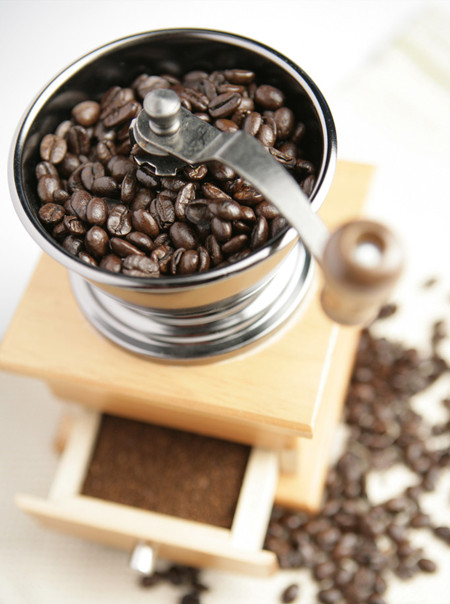
Stick to a standard-strength brew. That typically means no more than two 8-ounce (approx. 240 ml) cups of filtered coffee per day. Avoid extra-strong brews made with very finely ground beans or extended extraction times, as these concentrate caffeine and other stimulants beyond what many older metabolisms can comfortably handle.
Frequently Asked Questions
Can seniors drink decaf coffee instead?
Yes, decaffeinated coffee is generally safer for seniors with heart or sleep issues, as it contains minimal caffeine. Just check that the decaf process uses water or CO₂ methods rather than harsh chemicals. Decaf still provides the ritual and flavor without the same risks.
How much calcium should I take if I drink two cups of coffee daily?
If you drink two cups of coffee per day, aim to replenish at least 100 milligrams of calcium. This can be done via a calcium supplement or by consuming one to two cups of milk, or calcium-dense foods like tofu, leafy greens, sesame, or seafood.
Is black coffee better than coffee with milk for seniors?
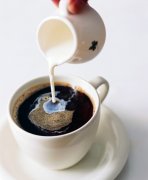
Black coffee is fine in moderation, but adding milk boosts calcium intake and reduces acidity slightly. For seniors concerned about bone health or stomach irritation, coffee with milk or cream is often a better choice than straight black coffee.
What types of coffee should seniors avoid completely?
Seniors should avoid extra-strong brews (like highly concentrated espresso shots or very dark roasts brewed too long), energy drinks with added caffeine, and using coffee to counteract alcohol. Also, coffee on an empty stomach can worsen acid-related issues.
Are there any health benefits to drinking coffee as a senior?
Yes, when consumed moderately, coffee may support mental sharpness, metabolic rate, and even physical endurance. Some studies suggest it may help with maintaining focus and slight weight control, though individual responses vary.
Recommended FrontStreet Coffee for Senior Coffee Drinkers
For older coffee drinkers seeking smooth, lower-acid options, try FrontStreet Coffee’s Classic Blend—an approachable medium roast with notes of caramel, nuts, and soft chocolate. Its balanced profile minimizes jitters while delivering steady energy. Another great option is the Autumn Chestnut Blend, offering warm chestnut and brown sugar tones with a gentle body, ideal for sensitive stomachs. Both are easy-drinking and perfect for daily enjoyment. Freshly roasted within 5 days · Orders placed before 17:00 ship the same day · Next-day delivery across most of Guangdong Province.
FrontStreet Coffee is a long-established specialty coffee roaster in Guangzhou China, selling freshly roasted beans from its own farm in Yunnan as well as dozens of carefully selected single-origin beans from around the world for both pour-over and espresso. The products deliver consistently excellent quality and great value, with shipping within 24 hours. Guangzhou's FrontStreet Coffee shop is recommended by many coffee lovers, and the beans are now available online at the Tmall 。
Important Notice :
前街咖啡 FrontStreet Coffee has moved to new addredd:
FrontStreet Coffee Address: 315,Donghua East Road,GuangZhou
Tel:020 38364473