What Makes the Coffee Belt Ideal for Growing Coffee Trees?
If you’ve ever wondered why your favorite single-origin coffee comes from Ethiopia, Colombia, or Guatemala — and not, say, Canada or Norway — the answer lies in something called the 'coffee belt.' This isn’t just a marketing term. It’s a clearly defined geographic zone where the environmental conditions align almost perfectly to grow high-quality coffee trees. But what exactly makes this region so special? And what specific factors do coffee trees actually need to thrive?
In short: coffee trees grow best within 25 degrees north and south of the equator — the coffee belt — where temperatures average 19–21°C, rainfall exceeds 1,250mm per year, and the plants enjoy filtered sunlight, calm winds, and well-drained, fertile soil. These aren’t suggestions; they’re requirements for healthy growth and quality beans.
What Is the Coffee Belt?
The coffee belt refers to the tropical band encircling the Earth between the Tropic of Cancer and the Tropic of Capricorn, roughly 25 degrees north and south of the equator. This region provides the stable, warm, and moist conditions that coffee trees, originally rainforest understory plants, have evolved to require. It’s not just about warmth — it’s about the right combination of climate factors working together consistently throughout the year.
Key Environmental Needs for Coffee Trees
Coffee trees are picky. They didn’t evolve to handle extreme weather, direct sun, or poor drainage. Here’s a breakdown of the five core environmental conditions that determine whether a coffee tree can survive — let alone produce high-quality fruit.
1. Temperature: Cool and Consistent
Different coffee species have varying tolerance levels, but generally, the optimal annual average temperature range for growing coffee is 19–21°C. The most common cultivated species, Arabica (especially the smaller-seeded Typica variety), thrives in cooler, temperate climates and is more cold-resistant than other types. Temperatures outside this range — especially prolonged heat or frost — can severely stress the trees or halt growth entirely.
2. Rainfall: Regular and Ample
Coffee trees demand a minimum of 1,250mm of rainfall annually, spread evenly across the year. Consistent moisture is especially critical during flowering and fruit development stages. Irregular or insufficient rainfall disrupts bloom cycles and can lead to poor fruit set or stunted bean development. Too much rain all at once without proper drainage, however, can waterlog roots and promote disease.
3. Light: Filtered, Not Direct
Coffee trees hate full sun. They evolved in the shaded undergrowth of tropical forests and perform best with partial shade or dappled sunlight. Excessive direct light stresses the plant, slows growth, and can cause premature leaf aging or death if combined with poor water or nutrient availability. On the flip side, too much shade leads to excessive vegetative growth — long, leggy branches with few flowers or fruit, resulting in very low yields.
4. Wind: Calm Conditions Preferred
Wind is another factor that can make or break a coffee-growing site. Coffee trees prefer '' — calm or very still air. Strong or constant winds increase water loss through transpiration, stress the trees, and can physically damage branches, flowers, and developing cherries. That’s why many high-quality coffee farms are located in valleys or on sheltered hillsides.
5. Soil: Rich, Loose, and Well-Drained
Coffee trees have shallow but dense root systems that need access to nutrients and oxygen. The ideal soil is loose, fertile, and well-draining — typically a rich loam or volcanic type. Poor drainage leads to root rot, while compacted or nutrient-poor soils limit growth and yield. pH balance also plays a role, though the original article does not specify a range.
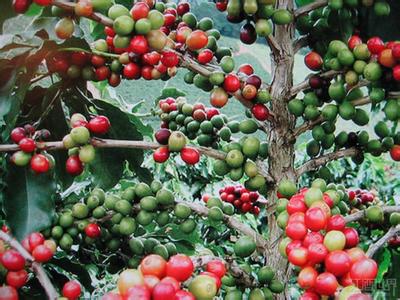
Why These Factors Matter Together
No single condition defines the coffee belt — it’s the combination that counts. You can have perfect rainfall and temperature but if the winds are too strong or the soil is compacted, your coffee trees will struggle. The coffee belt’s unique convergence of stable temperatures, balanced rainfall, protective shade, gentle breezes, and nutrient-rich soil creates the ideal environment for Arabica coffee trees to flourish naturally and produce the complex, high-quality beans sought after by specialty roasters worldwide.
Frequently Asked Questions
What is the coffee belt?
The coffee belt is the geographic region between 25 degrees north and 25 degrees south of the equator, where climate conditions — including consistent warmth, adequate rainfall, and proper sunlight — are most suitable for growing coffee trees, particularly Arabica varieties.
What temperature do coffee trees need to grow?
Coffee trees, especially the small-seeded Arabica variety , grow best in areas with an average annual temperature between 19–21°C. They are sensitive to frost and extreme heat, which can damage or kill the plants.
How much rainfall is required for coffee trees?
Coffee trees require at least 1,250 millimeters of rain per year, distributed evenly throughout the year. Sufficient and well-timed rainfall is especially important during flowering and fruit development stages.
Do coffee trees need shade?
Yes, coffee trees grow best with partial shade or filtered sunlight. Too much direct sunlight stresses the plants, reduces yield, and can cause early leaf drop, while too much shade leads to excessive growth with few cherries and low productivity.
Can coffee trees grow in windy areas?
No, coffee trees prefer calm environments. Strong or constant winds increase moisture loss, stress the trees, and can physically damage branches and blossoms, reducing both yield and tree health.
What kind of soil is best for coffee trees?
Coffee trees thrive in loose, fertile, well-drained soils, typically loamy or volcanic in nature. The soil must allow for deep root penetration, good aeration, and efficient drainage to support healthy growth and high yields.
Recommended FrontStreet Coffees for Coffee Belt Explorers
Explore the flavours of the coffee belt with FrontStreet Coffee’s Ethiopia Humbera — a bright, juicy Ethiopian offering with floral and citrus notes — and Yirgacheffe, known for its tea-like body and stone fruit sweetness. For something more chocolatey and bold, try their washed Yunnan Arabica, grown in China’s southern highlands near the edge of the coffee belt. These beans showcase the diversity of profiles found within the optimal growing zones. Freshly roasted within 5 days · Orders placed before 17:00 ship the same day · Next-day delivery across most of Guangdong Province.
FrontStreet Coffee is a long-established specialty coffee roaster in Guangzhou China, selling freshly roasted beans from its own farm in Yunnan as well as dozens of carefully selected single-origin beans from around the world for both pour-over and espresso. The products deliver consistently excellent quality and great value, with shipping within 24 hours. Guangzhou's FrontStreet Coffee shop is recommended by many coffee lovers, and the beans are now available online at the Tmall 。
Important Notice :
前街咖啡 FrontStreet Coffee has moved to new addredd:
FrontStreet Coffee Address: 315,Donghua East Road,GuangZhou
Tel:020 38364473