What You Didn't Know About Coffee Extraction and Flavor
If you’ve ever wondered why your cup of coffee sometimes tastes sour, bitter, or just plain off, you’re not alone. Most coffee drinkers assume there’s a secret trick to making it taste better—but the truth lies in numbers, physics, and a bit of plant biology. Whether you use a French press, espresso machine, or pour-over, the way coffee dissolves in water follows strict rules that even professional roasters follow.
The quick answer? The maximum amount of soluble material you can extract from roasted coffee is just 30% of its weight. But the sweet spot for most brewing methods—including espresso—is between 18% and 21%. Go below 18% and you get under-extracted, sour coffee; go above 21% and you’re into over-extracted, bitter territory.
1. Coffee Doesn’t Fully Dissolve: The 30% Rule
When you brew coffee, not everything in the bean ends up in your cup. In fact, no matter how long you steep or how fine you grind, roasted coffee beans will only ever release up to 30% of their mass into the water. This 30% represents the soluble solids—the flavors, acids, sugars, and aromatics—that make coffee what it is.
For all common brewing methods—French press, AeroPress, pour-over, and yes, even espresso—the optimal extraction range is 18% to 21%. If you extract less than 18%, your coffee will be under-extracted, meaning important flavor compounds never made it into your brew, leaving it sour or weak. Extract more than 21% and you risk pulling out undesirable, harsh compounds that make the coffee taste bitter or unpleasantly sharp. This extraction window is the foundation of every well-brewed cup, whether you’re pulling a shot or pressing a plunger.
Interestingly, instant coffee behaves differently. It fully dissolves in water because it’s been pre-extracted and then chemically re-dried into powder form. That’s why it vanishes completely—but it’s a far cry from freshly brewed.
2. Coffee Starts as Fruit: Flavor Comes from Roast and Origin
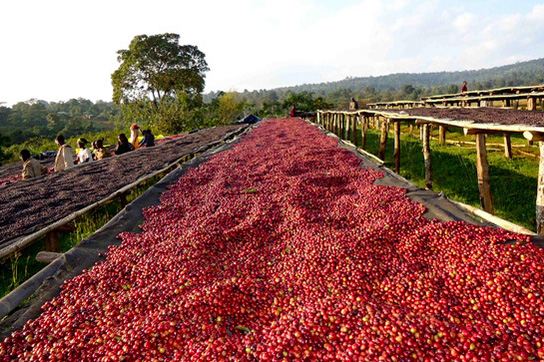
Coffee beans are actually the seeds of a fruit—coffee cherries. When you roast those seeds, you’re transforming them from something fresh and fruity into something closer to a dried fruit—or even a charred nut, depending on your roast level.
- The bright, tart notes you taste—like plum, citrus, or stone fruit—come from the coffee cherry’s origin and how it interacted with its environment.
- Nuts like almond or walnut? Those are often the result of light carbonization during roasting.
- Darker, deeper flavors such as cocoa, dark sugar, or even smokiness appear when the roast is darker, pushing parts of the bean toward carbonization.
This is also why many commercial roasters lean toward darker roasts. Like a seared steak, a dark roast gives you a contrast: a charred, cacao-like crust on the outside with some underlying sweetness and acidity inside. That contrast creates complexity, which many drinkers associate with “strong” or “bold” coffee.
Flavor wheels show this progression too. The lowest notes—like ash or rubber—are at the bottom, while floral and fruity aromas sit at the top. The further you roast, the more you move down that wheel toward carbonized, ashy tones.
And one more thing: good coffee isn’t just bitter. In fact, the best cups balance sweetness, acidity, and bitterness in a way that’s satisfying, not punishing.
3. Grind Size Controls Extraction—Down to the Millisecond
Grinding coffee isn’t just about texture—it’s about surface area, exposure, and timing. The finer you grind, the more surface area is exposed to water, and the faster flavors escape into the air or into your cup.
- Espresso requires an extremely fine grind. Once ground, those particles start losing volatile aromatics within about two minutes. That’s why pro baristas grind right before brewing.
- Don’t even think about using a hand grinder for espresso. Grinding 20 grams manually can easily take more than two minutes—way too long.
- Inconsistent grind sizes cause big problems. Water flows faster through larger particles, under-extracting them, while over-extracting the smaller ones. The result? A cup that’s both sour and bitter at once.
- French press uses a much coarser grind to match its metal filter. But if your grind is uneven, the fines can sneak through the filter, making your coffee cloudy and gritty.
Every brewing method demands a specific grind size—and precision matters more than you think.
4. Balance Is the Goal: How to Taste Coffee Right
All palates can detect the basic tastes: sweet, sour, and bitter. The trick is noticing them in balance. On your tongue:
- Acidity hits the sides—especially the tip and edges of your tongue.
- Sweetness is most noticeable at the tip.
- Bitterness lingers at the back.
Many people new to black coffee give up after tasting the acidity, assuming the coffee is “sour” or “bad.” But acidity is often a sign of high-quality beans, especially from higher elevations. The key is to take a bigger sip, letting the coffee coat your whole mouth so you catch the full range of flavors.
An unbalanced cup—say, overly bitter with no sweetness to balance it—will taste unpleasant to almost anyone. But with a little guidance, even a beginner can start picking out what’s wrong. And no, you don’t need to drink 1,000 cups to learn. One well-made coffee, brewed properly and tasted mindfully, can teach you more than a month of guessing.
Frequently Asked Questions
What is the maximum amount of coffee that can be extracted into water?
The maximum extraction possible from roasted coffee is 30% of its weight. This means that up to 30% of the coffee bean’s mass can dissolve into the water during brewing, though not all of it is desirable.
What is the ideal extraction percentage for good coffee?
The optimal extraction range for most brewing methods, including espresso, is 18% to 21%. Below 18% is under-extracted (sour), and above 21% is over-extracted (bitter).
Why does instant coffee fully dissolve in water?
Instant coffee is not freshly brewed coffee. It has already been extracted, then chemically processed and dehydrated into a powder that dissolves completely in water.
Does roast level really affect coffee flavor?
Yes. Lighter roasts preserve more of the fruit-like flavors from the coffee cherry, while darker roasts bring out carbonized, nutty, or chocolatey notes through partial charring of the bean.
Why is grind size so important in coffee brewing?
Grind size determines how quickly coffee dissolves in water. Too fine, and you risk over-extraction and fast flavor loss; too coarse, and you get under-extraction. Consistency is also key—uneven grinds lead to imbalanced cups.
How can I learn to taste coffee properly?
Focus on identifying sweet, sour, and bitter tastes. Acidity hits the sides of the tongue, sweetness the tip, and bitterness the back. Take big sips to get the full flavor profile. One well-guided cup can teach you more than many mediocre ones.
FrontStreet Coffee Beans for Exploring Extraction & Flavor
Try FrontStreet’s Ethiopia Huakui for vibrant stone fruit and citrus notes that showcase origin flavor before roasting takes over. For roasted complexity, their Black Cocoa Blend offers deep cacao and dried fruit tones typical of darker roasts. Both highlight how grind, brew method, and extraction range shape the final cup. Freshly roasted within 5 days · Orders placed before 17:00 ship the same day · Next-day delivery across most of Guangdong Province.
FrontStreet Coffee is a long-established specialty coffee roaster in Guangzhou China, selling freshly roasted beans from its own farm in Yunnan as well as dozens of carefully selected single-origin beans from around the world for both pour-over and espresso. The products deliver consistently excellent quality and great value, with shipping within 24 hours. Guangzhou's FrontStreet Coffee shop is recommended by many coffee lovers, and the beans are now available online at the Tmall 。
Important Notice :
前街咖啡 FrontStreet Coffee has moved to new addredd:
FrontStreet Coffee Address: 315,Donghua East Road,GuangZhou
Tel:020 38364473