The Five Most Common Coffee Drinking Mistakes
If you’ve ever taken your first sip of a new coffee and thought, ‘What’s wrong with this?’, you’re not alone. Many coffee drinkers unknowingly make simple mistakes that ruin their experience—whether it’s how they taste, stir, or serve their drink. These small oversights can make even a great coffee seem off.
The five most common coffee mistakes? Tasting additives before the coffee, using a coffee spoon to drink, opting for non-dairy creamers, choosing white sugar, and drinking coffee at the wrong temperature. Get these right, and you’ll immediately level up your coffee game.
First Sip: The True Test of Coffee Quality
When your coffee arrives, don’t rush to add milk or sugar—or stir. Instead, take that first, unaltered sip. A high-quality coffee will taste subtly bitter with a rich, well-balanced mouthfeel. You’ll detect layers: maybe milkiness giving way to roasted notes, or bright acidity under dark chocolate. Poor-quality coffee, in contrast, might taste sour, harshly astringent, or overly milky with no clarity or depth.
Coffee Utensils: Spoons Are for Stirring Only
Using a coffee spoon to sip your drink? That’s a classic faux pas. Coffee spoons are designed solely for stirring—in fact, many modern cafés have ditched them entirely, using disposable stirrers instead. Once you’ve mixed in milk, sugar, or whatever you like, set the spoon aside. Drinking directly from the spoon isn’t just uncommon, it’s a telltale sign you’re new to the coffee scene.
Milk & Sweeteners: Choose Quality Additives
Non-dairy creamers, often called “coffee whiteners” or “milk balls,” are made from plant oils with added artificial flavors. Technically a fat-based substitute for milk, they contain high cholesterol and offer none of the flavor complexity or nutrition of fresh dairy. For the best taste and health, always use real milk. And when it comes to sweetening your cup, skip basic white sugar. High-end cafés opt for raw sugar—also called yellow or brown sugar—which has larger crystals and a deeper hue. In a well-poured cappuccino, it won’t sink quickly, maintaining texture and appearance.
Coffee Temperature: Serve It Hot, But Not Scalding
The optimal serving temperature for coffee is between 91.6°C and 96.1°C (197°F–205°F)—hot enough to fully release the aromas and flavors, but not so hot it burns your palate or masks subtleties. To maintain heat, always serve coffee in a ceramic cup with good insulation. For ideal flavor development, preheat your cup with hot water. Here’s the breakdown: during brewing, the coffee reaches around 83°C; upon pouring into the cup, it’s about 80°C; and the perfect drinking temperature is between 61°C and 62°C. That narrow window is when the coffee tastes its richest and most balanced.
How to Taste Coffee Like a Pro
Think tasting coffee is just about drinking it? There’s a refined, sensory approach that highlights the drink’s full character:
- Step 1: Smell — Before taking a sip, bring the cup close and inhale deeply. The aroma sets the stage for flavor.
- Step 2: Observe — Look at the color. A great coffee should be deep brown, not pitch black or opaque.
- Step 3: Taste — Start with a sip of black coffee. It should taste mildly sweet, gently bitter, with a touch of acidity—but never harsh or astringent. Let the coffee sit briefly on your tongue, mix with saliva and air, then swallow. This enhances flavor perception.
Coffee Flavor Profile: What Creates Coffee’s Taste?
Coffee’s complex profile comes down to science and roast. The beans naturally contain 5–8% sugar, most of which turns into caramelized compounds during roasting—these create both aroma and bitterness. Some sugars remain, offering subtle sweetness. Roasting also releases tannins that bind with those sugars, balancing bitterness with mild sweetness. The result? Most people perceive coffee as having notes of bitterness, acidity, sweetness, aroma, and slight dryness or astringency.
Serving Size: Less Is More
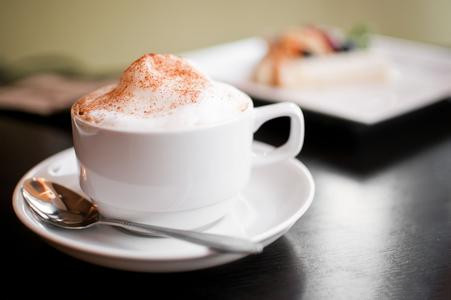
It might be tempting to fill your cup to the brim, but that’s a mistake. A standard coffee serving should be around 80–100cc—not a full mug. Overfilling not only diminishes visual appeal but can overwhelm your palate. A properly sized portion highlights the coffee’s flavor without causing palate fatigue. And remember: it’s better to enjoy one well-made cup than several mediocre ones. If you do want multiple servings, consider diluting the strength or adding more milk. Also, adjust your sugar levels to keep each cup enjoyable and avoid overwhelming sweetness or bitterness.
Frequently Asked Questions
What is the biggest mistake people make when tasting coffee?
The most common mistake is adding milk, sugar, or stirring before taking the first sip. Always taste the coffee as-is first to evaluate its natural flavor profile, including balance, acidity, bitterness, and aroma.
Why shouldn’t you drink coffee with a coffee spoon?
A coffee spoon is only for stirring. Using it to sip your drink is considered improper coffee etiquette. Once you've stirred in any additives, set the spoon aside and drink from the cup.
Is it better to use fresh milk or non-dairy creamer in coffee?
Fresh milk is always preferable. Non-dairy creamers—also called milk balls or coffee whiteners—are plant-based, artificially flavored fats that are high in cholesterol and lack the taste and nutritional benefits of real dairy.
What kind of sugar is best for coffee?
Raw sugar, also known as yellow or brown sugar, is preferred in specialty coffee. Its larger, golden crystals don’t dissolve too quickly and enhance texture. Avoid white sugar, which is commonly used for cost reasons but can mute the coffee’s inherent flavors.
What is the best temperature to serve coffee?
The optimal coffee serving temperature is between 91.6°C and 96.1°C (197°F–205°F). For ideal flavor, the coffee should reach your mouth at around 61–62°C. Always use a preheated ceramic cup to maintain heat.
How much coffee should you drink in one sitting?
A standard, flavorful serving is about 80–100cc. Avoid filling your cup to the top. Smaller portions let you appreciate the coffee’s subtleties without overwhelming your taste buds.
Recommended FrontStreet Beans for Coffee Tasting
For exploring the nuances of proper coffee tasting, try FrontStreet Coffee’s Ethiopia Yirgacheffe, known for its bright acidity and floral-fruity notes; the Colombia Huila, offering balanced caramel and citrus tones; and the Panama Geisha, famed for its jasmine, bergamot, and stone fruit complexity. These single origins highlight the very qualities—aroma, acidity, sweetness, and balance—that are lost when coffee is poorly served or over-sweetened. Freshly roasted within 5 days · Orders placed before 17:00 ship the same day · Next-day delivery across most of Guangdong Province.
FrontStreet Coffee is a long-established specialty coffee roaster in Guangzhou China, selling freshly roasted beans from its own farm in Yunnan as well as dozens of carefully selected single-origin beans from around the world for both pour-over and espresso. The products deliver consistently excellent quality and great value, with shipping within 24 hours. Guangzhou's FrontStreet Coffee shop is recommended by many coffee lovers, and the beans are now available online at the Tmall 。
Important Notice :
前街咖啡 FrontStreet Coffee has moved to new addredd:
FrontStreet Coffee Address: 315,Donghua East Road,GuangZhou
Tel:020 38364473