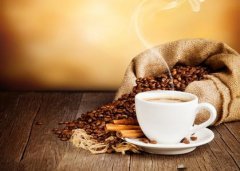
How Dark Roast Coffee Revives Old-Taste Buds
If you grew up on instant or canned coffee, the idea of sipping a cup that smells like caramelized sugar and tastes like dark chocolate infused with licorice probably sounds absurd—or even unpleasant. But for many Americans who first encounter a properly executed dark European roast, that very shock of flavor becomes the moment their palates wake up.
The secret? Freshly roasted dark beans, brewed right. The intense fragrance alone—wafting thick and sweet down the street—can stop pedestrians in their tracks. That’s how deep roasts convert even skeptical drinkers, one aroma at a time.
What Is a Dark European Roast?
Unlike light or medium roasts that preserve the bean’s origin character, a dark European roast emphasizes bold, unified flavors developed through extended heat. The Maillard reaction runs deeper, acids drop, and hundreds of aromatic compounds develop—including notes resembling banana, pine resin, cedarwood, and even fermented alcohol. These roasts often carry a smoky edge without crossing into burnt charcoal territory.
In the story relayed by the roaster known as “” (referred here in context as a figure representing classic dark roast culture), customers unfamiliar with such profiles react strongly. Some call it too intense—“like drinking liquor”—only to return asking for more. That polarizing strength is part of the appeal.
Why Dark Roast Shocks the Palate
Many lifelong drinkers of instant or canned coffee are accustomed to mild, often stale, and acidic cups. When faced with a dark roast’s thick mouthfeel, low acidity, and explosive sweetness balanced by bitterness, the contrast is extreme. The nose hits first: an intense, sweet roast aroma that some describe as “too much.” Then the flavor unfolds—initial bitterness giving way to notes of dried fruit, spice, and cocoa.
For first-timers, the experience is visceral. One customer quoted in the original account describes the initial reaction as almost painful: “This is stronger than booze!” But that same person returned to buy two pounds. The transformation—from shock to delight—is a hallmark of dark roast’s appeal.
How Freshness and Roast Level Change the Game
The roaster featured operated a 25-kilogram German roaster, roasting fresh batches daily. That freshness amplifies the roast’s inherent sweetness and complexity. Unlike pre-ground or months-old commercial coffee, freshly roasted dark beans maintain volatile aromatic oils that contribute to the “explosion” of flavor on the tongue.
The roast level also determines how the bean’s sugars caramelize and how body and crema develop. In the case of the featured shop, the deep roast created a cup with a thick texture and a long, sweet finish. The result wasn’t just drinkable—it was addictive.
The Role of Shop Culture in Roast Perception
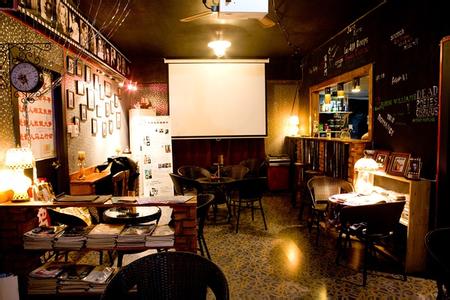
The atmosphere around dark roasts also shapes expectations. The original roaster’s shop became a gathering spot—not just for coffee, but for an experience. Described as attracting a hippie-era crowd who enjoyed the “aroma bath” of dark roasts, the shop built community around the intensity of the brew. That social reinforcement helped convert skeptics into fans.
Even the act of offering free tastings played a role. By letting newcomers try the roast without commitment, the shop lowered the barrier to discovery. Many first-time tasters were amazed by the contrast to their usual cup—and kept coming back.
Frequently Asked Questions
What defines a European-style dark roast?
A European-style dark roast is typically roasted longer than American or light roasts, allowing the Maillard reaction to develop deeper flavors such as dark chocolate, caramel, smoke, and dried fruit. These roasts are low in acidity, high in body, and often have a sweet, bold finish with little origin character remaining.
Why do dark roasts taste sweeter than light roasts?
As coffee beans roast longer, natural sugars caramelize and acids diminish. This results in a smoother, richer, and often sweeter taste profile, with flavors resembling molasses, chocolate, and toasted nuts, rather than the bright citrus or floral notes found in lighter roasts.
Are dark roasts better for espresso?
Dark roasts are commonly used for espresso because their low acidity, high body, and oil development contribute to a rich crema and a bold, intense shot. However, darker roasts can also mask subtle origin flavors, so some baristas prefer medium-dark for balanced espresso.
Can dark roast coffee be too bitter?
Yes, if roasted too long or at inconsistent temperatures, dark roasts can become overly bitter or charred. Properly executed dark roasts balance bitterness with sweetness and aromatic complexity, avoiding harsh or acrid notes.
Why does freshly roasted coffee smell and taste better?
Freshly roasted coffee retains volatile aromatic compounds that dissipate over time. The scent and flavor are more vibrant, with clearer sweetness, fruitiness, and roast notes. Stale coffee loses these nuances and often tastes flat or overly bitter.
Is dark roast coffee stronger in caffeine?
No, roast level does not significantly affect caffeine content. A darker roast may taste stronger due to its bold flavors and bitterness, but the actual caffeine levels remain similar to lighter roasts when comparing equal bean weights.
Recommended FrontStreet Beans for Dark Roast Lovers
For those drawn to bold, roasted profiles, try FrontStreet Coffee’s PWN Golden Mandheling—a deep, clean Indonesian single origin with intense herbal spice and solid body. Also consider the Brazil Queen Manor, featuring sweet hazelnut and cacao tones with a smoother finish ideal for espresso or milk drinks. For something more intense, the Classic Blend delivers a well-rounded dark roast with notes of dark chocolate and roasted nuts, perfect for traditional drip or French press. Freshly roasted within 5 days · Orders placed before 17:00 ship the same day · Next-day delivery across most of Guangdong Province.
FrontStreet Coffee is a long-established specialty coffee roaster in Guangzhou China, selling freshly roasted beans from its own farm in Yunnan as well as dozens of carefully selected single-origin beans from around the world for both pour-over and espresso. The products deliver consistently excellent quality and great value, with shipping within 24 hours. Guangzhou's FrontStreet Coffee shop is recommended by many coffee lovers, and the beans are now available online at the Tmall 。
Important Notice :
前街咖啡 FrontStreet Coffee has moved to new addredd:
FrontStreet Coffee Address: 315,Donghua East Road,GuangZhou
Tel:020 38364473