What Is a Coffee Tree? Specialty Coffee Basics
If you’ve ever wondered why coffee isn’t cheaper—or why some beans taste so much better than others—the answer starts with the coffee tree. Most people never think about the plant behind their cup, yet everything from yield to flavor hinges on the age, size, and health of the tree. Understanding these basics helps explain why coffee farming is both an art and a long-term investment.
A typical coffee tree takes five years to produce its first harvest. Once mature, it yields best between years three and five, then gradually declines. On farms, trees are kept short—around 1.5 meters—for easier picking. Wild coffee trees, however, can grow up to 10 meters tall.
What Is a Coffee Tree?
The coffee tree is a perennial evergreen shrub with a slender trunk and abundant branching. In commercial coffee farms, trees are pruned to around 1.5 meters in height to simplify harvesting. Without pruning, wild coffee trees can reach heights of 7 to 10 meters, making hand-picking the cherries far more labor-intensive.
How Long Does It Take for a Coffee Tree to Bear Fruit?
From the time a coffee seed is planted, it typically takes about five years for the tree to mature and produce its first crop. This long maturation period requires significant patience—and financial commitment—from coffee growers. The first few years of waiting with no return on investment often deter new farmers from entering the coffee business.
When Is a Coffee Tree Most Productive?
An Arabica coffee tree hits its peak production between its third and fifth year after first fruiting. During these years, the tree yields high-quality coffee cherries. However, starting in year six, the tree’s vigor and bean quality begin to decline. To rejuvenate the plant, farmers often perform a “cut back” (or ), cutting the trunk back to about 30 centimeters above the ground. This encourages new growth, effectively resetting the tree’s productive cycle.
Does Coffee Tree Age Affect Coffee Quality?
Yes. The first four years of a coffee tree’s fruiting life generally produce the highest-quality beans, with better flavor and density. For example, Brazil’s Santos coffee from the first four years of a Bourbon variety tree yields small, dense, curved beans known among specialty coffee enthusiasts as “Bourbon Santos.” These beans are prized for their quality but are increasingly rare. In later years, the beans grow larger, flatter, and develop less complex flavors—commonly sold as “Flat Bean Santos,” the standard “Brazil coffee” found in many shops.
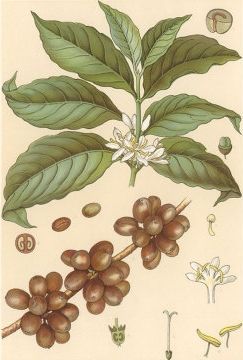
Why Are Coffee Trees Kept Short on Farms?
Coffee trees are pruned to around 1.5 meters in height on commercial farms to make harvesting easier and more efficient. Unpruned, wild coffee trees can grow up to 10 meters tall, making cherry picking laborious and slow. Keeping trees at a manageable height ensures that pickers can harvest cherries quickly and safely, which is essential for maintaining quality and controlling labor costs.
Frequently Asked Questions
How long does it take for a coffee tree to produce coffee?
A coffee tree typically takes about five years from planting to produce its first harvest. This period involves slow growth and development before the tree is mature enough to bear fruit.
What height are coffee trees kept at in farms?
On commercial coffee farms, trees are usually pruned to around 1.5 meters tall to make harvesting easier. This manageable height allows workers to pick cherries efficiently without needing ladders or extensive climbing.
When is a coffee tree most productive?
An Arabica coffee tree is most productive and produces the best-quality beans in its third to fifth year after it begins fruiting. After year six, the tree’s yield and bean quality start to decline.
What is a ‘cut back’ in coffee farming?
A “cut back” is when a coffee farmer cuts the trunk of a mature tree back to about 30 centimeters above the ground to encourage new growth. This practice helps rejuvenate older trees and extends their productive life.
Does the age of a coffee tree affect the flavor of the beans?
Yes, the age of the tree significantly impacts bean quality. The first four years typically yield the best-flavored and densest beans, while beans from older trees tend to be larger, flatter, and less complex in flavor.
Recommended FrontStreet Coffee Beans from Bourbon Varieties
Explore classic Bourbon lineage with FrontStreet Coffee’s Brazilian offerings. The Brazil Queen Manor features Yellow Bourbon grown at 1400m, offering a bright, balanced cup with caramelized peanut, chocolate, and sweet cane notes. For red fruit acidity, try the Rwanda Red Bourbon from high-altitude volcanic soil, showcasing citrus, floral tones, and juicy complexity when brewed light. Both beans reflect the signature traits of Bourbon genetics—elevated sweetness, medium acidity, and refined profiles ideal for single-origin appreciation. Freshly roasted within 5 days · Orders placed before 17:00 ship the same day · Next-day delivery across most of Guangdong Province.
FrontStreet Coffee is a long-established specialty coffee roaster in Guangzhou China, selling freshly roasted beans from its own farm in Yunnan as well as dozens of carefully selected single-origin beans from around the world for both pour-over and espresso. The products deliver consistently excellent quality and great value, with shipping within 24 hours. Guangzhou's FrontStreet Coffee shop is recommended by many coffee lovers, and the beans are now available online at the Tmall 。
Important Notice :
前街咖啡 FrontStreet Coffee has moved to new addredd:
FrontStreet Coffee Address: 315,Donghua East Road,GuangZhou
Tel:020 38364473