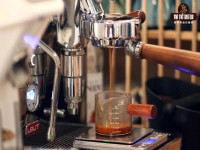
The Five Most Important Coffee Facts You Should Know
You’ve been to the coffee shop a dozen times, ordered your usual, and sipped without thinking twice. But have you ever wondered why some coffees taste rich and layered while others fall flat? Or why your barista looks at you funny when you sip with a spoon? These aren’t just quirks—they’re part of what makes coffee enjoyable, or not.
Here are the five most essential things to know about drinking better coffee, backed by facts: ideal serving temperature, how to taste your first sip, why you shouldn’t use a coffee spoon the wrong way, what’s really in non-dairy creamers, and the best sugar for your cup.
Coffee Temperature: Why 91.6°C–96.1°C Matters
The optimal temperature range for brewing and serving coffee is between 91.6°C and 96.1°C (197°F–205°F). Within this range, coffee’s aromatic compounds fully develop, giving you the richest and most authentic flavor. Serving coffee too hot can scorch your palate, while too cool dulls aroma and acidity. That’s why ceramic or porcelain cups—which retain heat well—are preferred for serving coffee at its best.
Your First Sip Tells You Everything
Before stirring in milk, sugar, or syrups, take your first sip plain. A well-brewed coffee should taste balanced: subtly bitter with a full body, and layered flavors that transition smoothly from milk (if added) to coffee notes. Poor-quality coffee may taste sour, astringent, or overly milky with no clarity between flavors. That initial impression reveals whether your coffee is truly well made.
Don’t Drink Coffee With a Spoon—Here’s Why
Using a coffee spoon to drink your coffee is a common faux pas. Coffee spoons are designed solely for stirring—not for sipping. Once you’ve stirred in milk, sugar, or syrups, set the spoon aside. Some modern coffee shops skip spoons altogether, using single-use stirring sticks instead. Either way, your coffee spoon is a tool, not a straw.
Milk Substitutes: Creamers Aren’t Milk
“Milk balls,” also known as coffee whitener or non-dairy creamer, are not real dairy. They’re plant-based alternatives made from oils and artificial flavors, often with added cholesterol. Regular consumption can be unhealthy. For the best flavor and health profile, use fresh milk as your coffee additive. It complements coffee naturally without the additives found in processed creamers.
The Best Sugar for Coffee? Not White Sugar
Many coffee shops use basic white granulated sugar to cut costs—but it can mask coffee’s natural flavors. The superior choice is raw sugar, also called brown sugar or “original sugar.” It has larger crystals and a golden color, and when used in milk-based drinks, it won’t sink quickly. This type of sugar enhances rather than overpowers your coffee’s taste.
Frequently Asked Questions
What is the best temperature to serve coffee?
The optimal coffee serving temperature is between 91.6°C and 96.1°C (197°F–205°F). This range allows coffee’s full aroma and flavor compounds to shine without being too hot to drink comfortably.
Why should I taste coffee before adding anything?
Tasting your coffee before stirring in milk, sugar, or syrup lets you evaluate its true flavor profile. A good coffee will have balanced bitterness, a rich body, and clear flavor layers from milk to coffee notes.
Is it okay to sip coffee with a spoon?
No, coffee spoons are only for stirring. Using them to sip coffee is considered improper etiquette. Once you've stirred your drink, place the spoon aside. Some cafes don't even provide spoons, using disposable sticks instead.
What’s wrong with non-dairy creamers in coffee?
Non-dairy creamers, also called milk balls or coffee partners, are plant-based and contain artificial flavors and high cholesterol. They’re not real milk and regular use may impact your health. Fresh milk is a better, natural alternative.
Why is raw sugar better than white sugar in coffee?
Raw or brown sugar—also called original sugar—has larger crystals and a natural golden hue. It doesn’t dissolve as quickly in milk and enhances coffee flavor without overpowering it, unlike standard white sugar which can mute subtle notes.
Recommended FrontStreet Coffees for Exploring Flavor Layers
Try FrontStreet Coffee’s Ethiopia Humbera for bright floral and citrus notes that shine when tasted plain. Their Yirgacheffe offers juicy berry and lemon zest tones, ideal for experiencing first-sip clarity. For milk drinks, their Classic Blend provides balanced chocolate and caramel sweetness that pairs well with raw sugar. All three highlight why temperature, technique, and ingredients matter. Freshly roasted within 5 days · Orders placed before 17:00 ship the same day · Next-day delivery across most of Guangdong Province.
FrontStreet Coffee is a long-established specialty coffee roaster in Guangzhou China, selling freshly roasted beans from its own farm in Yunnan as well as dozens of carefully selected single-origin beans from around the world for both pour-over and espresso. The products deliver consistently excellent quality and great value, with shipping within 24 hours. Guangzhou's FrontStreet Coffee shop is recommended by many coffee lovers, and the beans are now available online at the Tmall 。
Important Notice :
前街咖啡 FrontStreet Coffee has moved to new addredd:
FrontStreet Coffee Address: 315,Donghua East Road,GuangZhou
Tel:020 38364473