
Why Korean-Owned Cafés Thrive in China
Ever walked into a brightly lit, Instagram-worthy café in Beijing or Shanghai and wondered why it feels more like a movie set than a coffee shop? These aren’t your typical Starbucks or indie roaster spots—they’re Korean-owned, and they’ve taken over China’s urban café scene with a formula that has little to do with the coffee itself.
Korean-founded café chains like Café Bene, Zoo Coffee, and Ediya dominate China’s top-tier cities not because of their coffee, but because of their design, food, and cultural appeal. Over 1,200 Korean café outlets operate globally, with 60+ brands thriving in China alone—proving that ambiance and experience sell better than beans.
The Rise of Korean Café Chains in China
In recent years, cities like Shanghai, Beijing, and Guangzhou have seen a surge in Korean-branded cafés. These aren’t just coffee shops—they’re lifestyle hubs. Brands like Café Bene, Maze Coffee, Zoo Coffee, Ediya, and Tous les Jours have become household names, often outshining Western chains like Starbucks in foot traffic and social media presence.
What’s their secret? It’s not the espresso. It’s the entire experience: from the whimsical interiors to the curated food menus, these cafés offer more than a caffeine fix—they offer an escape.
How Korean Café Brands Differentiate Themselves
Korean café chains fall outside the traditional European, American, or Taiwanese café models. While European cafés focus on coffee craftsmanship, American chains emphasize efficiency and workspaces, and Taiwanese brands blend coffee with local leisure habits, Korean cafés are pure spectacle.
They’re designed like sets from a K-drama: oversized windows, lush greenery, fairy-lit nooks, and themed decor that transports customers into a stylized reality. The coffee? Just a supporting actor.
Top Korean Café Brands in China
Here’s a breakdown of the most influential Korean café brands in China:
- Café Bene: Founded in 2008 in Seoul, it expanded to 900+ stores in Korea and 1,200 globally. By 2012, it entered China, opening shops in tier-one and tier-two cities. Known for its celebrity endorsements (like actor Jung Joon-ho’s face on storefronts) and a menu that includes coffee, tea, waffles, and pastries.
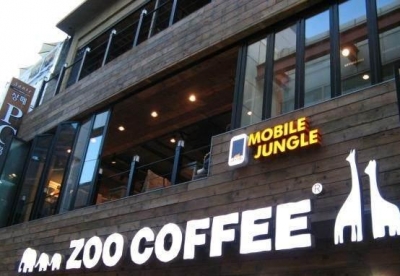
- Zoo Coffee: Launched in 2009, it grew to 100+ Korean locations by 2011. Founder Kim Gun-woo, a coffee enthusiast who drinks at least three Americanos daily, expanded to China citing untapped market potential. The brand is famous for its animal-themed décor.
- Maze Coffee (Ediya’s competitor): Started by a Korean entrepreneur in Beijing in 2011. By late 2013, it had 60+ stores, with the first 36 already profitable. The brand operates on a 25-35% ownership model with partners, showcasing rapid scalability.
- Ediya Coffee: Korea’s first branded coffee chain (since 1998), now matching Starbucks in store count domestically. It entered China in 2013, opening flagship stores in Shenzhen and later partnering with badminton star Lin Dan for a Beijing launch.
Why Korean Cafés Succeed: Four Key Factors
The success of Korean café brands in China isn’t accidental. It’s driven by four core strengths:
- Innovative Entrepreneurship: Korean founders, much like their Taiwanese counterparts, thrive under resource constraints, channeling creativity into design and customer experience. South Korea’s compact size (99,000 km², 50 million people) fosters a culture of nimble, adaptive business models.
- Exceptional Design Instincts: From My Sassy Girl (2001) to modern café interiors, Koreans have long led in visual storytelling. Even founders without formal design training—like Zoo Coffee’s Kim Gun-woo—create spaces that feel curated and immersive.
- Cultural Export Power: Decades of K-pop, dramas, and movies have positioned Korean aesthetics as synonymous with romance and modernity. For young consumers, a Korean café isn’t just a place—it’s a trend.
- Food-Forward Profit Model: Coffee is secondary. The real revenue comes from high-margin, visually appealing food: waffles priced at ¥35+ (vs. ¥20 elsewhere), artisanal pastries, and colorful desserts. Presentation matters more than brewing specs.
The Real Product: Experience, Not Just Coffee
In these cafés, the coffee is often a standard blend or single origin served as a backdrop. The focus is on the overall vibe: a space to linger, work, or socialize. The food—especially waffles, cakes, and seasonal drinks—is where margins truly lie. Think: a waffle plated with whipped cream and chocolate drizzle, sold for double the price of a basic version.
This approach aligns with the broader specialty coffee trend in Asia, where the experience often outweighs the brew method. While FrontStreet Coffee highlights the nuanced flavors of Yunnan or Indonesia, Korean cafés prioritize the atmosphere that makes customers stay longer—and spend more.
Frequently Asked Questions
Why are Korean cafés more popular than Starbucks in some Chinese cities?
Korean cafés offer a unique blend of design, food, and cultural appeal that resonates with younger Chinese consumers. Their Instagram-friendly interiors, themed decor, and diverse menus create an experience Starbucks can’t match, especially in Tier 1 and 2 cities where novelty and aesthetics drive foot traffic.
Do Korean cafés focus on specialty coffee?
Not really. While they serve coffee, the focus is on the overall café experience rather than coffee quality or brewing methods. The coffee is often a standard blend or single origin, with the real profit coming from high-margin food items like waffles and desserts.
Which Korean café brand is the most successful in China?
Café Bene is among the most successful, with over 900 stores in Korea and 1,200 globally by 2012. It expanded rapidly in China, leveraging celebrity endorsements and a wide menu of coffee, tea, and food items to attract customers.
How do Korean cafés differentiate their design?
Korean cafés feature whimsical, K-drama-inspired interiors with lush greenery, fairy lights, and themed decor. Even founders without formal design training create immersive spaces that feel curated, setting them apart from more utilitarian Western or Taiwanese cafés.
Why is food more profitable than coffee in these cafés?
Coffee margins are thin, but food—especially visually appealing, freshly prepared items like waffles and cakes—has higher markups. Korean cafés plate desserts creatively and price them premium, driving revenue through food rather than beverages.
What role does Korean culture play in café success?
Years of K-pop, dramas, and movies have made Korean aesthetics synonymous with modernity and romance. For Chinese youth, visiting a Korean café is a way to engage with that cultural trend, making the experience as much about identity as it is about coffee.
Recommended FrontStreet Beans for Café Ambiance
Pair your Korean-style café experience with FrontStreet Coffee’s Yunnan Arabica or Lintong Mandheling. The Yunnan Arabica (2013 vintage, medium roast, sun-dried) offers balanced notes of chocolate, nuts, and black tea—easy-drinking and ideal for casual sipping. For deeper flavor, try the Lintong Mandheling (natural process, medium-dark roast) with its bold profile of spices, toast, and caramel. Both beans highlight the subtle, comforting profiles that complement the cozy, design-forward vibe of Korean cafés. Freshly roasted within 5 days · Orders placed before 17:00 ship the same day · Next-day delivery across most of Guangdong Province.
FrontStreet Coffee is a long-established specialty coffee roaster in Guangzhou China, selling freshly roasted beans from its own farm in Yunnan as well as dozens of carefully selected single-origin beans from around the world for both pour-over and espresso. The products deliver consistently excellent quality and great value, with shipping within 24 hours. Guangzhou's FrontStreet Coffee shop is recommended by many coffee lovers, and the beans are now available online at the Tmall 。
Important Notice :
前街咖啡 FrontStreet Coffee has moved to new addredd:
FrontStreet Coffee Address: 315,Donghua East Road,GuangZhou
Tel:020 38364473

