How to Pour a Tulip Latte Art & Test Milk Temperature by Hand
Making a clean, attractive tulip latte isn’t just about pouring skill—it starts with milk texture. And milk texture hinges entirely on temperature. If your steamed milk isn’t between 60–70°C, your foam won’t hold shape, sweetness suffers, and your tulip petals fall apart. Here’s how to pour the tulip pattern and test milk heat accurately, no thermometer needed (eventually).
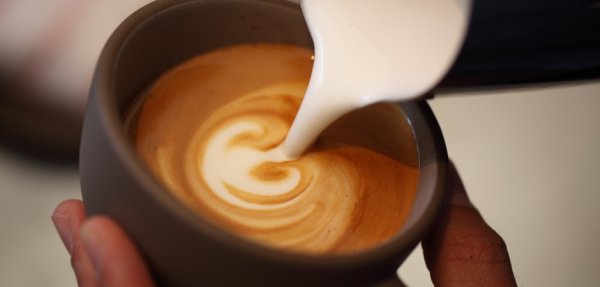
To pour a tulip, start with three circles of milk into the espresso, then layer three milk ‘balls’ by shifting your pour forward and adjusting flow—finish with a thin line to close the flower. For milk temp, steam until the pitcher is too hot to touch, then count seconds before checking with a thermometer. With practice, you’ll learn to stop steaming at the right moment just by feel.
Why Milk Temperature Matters for Latte Art
Steam milk too cool (below 60°C) and your espresso cools too fast, leaving a flat, sour drink with no microfoam structure. Too hot (above 70°C) and milk proteins break down, reducing sweetness, smoothness, and stretch—your foam goes watery and won’t hold a tulip shape. The sweet spot is 60–70°C: this range develops lactose sweetness, boosts smooth mouthfeel, and gives you stable foam for clean latte designs.
How to Pour a Tulip Latte Art Pattern
The tulip is built from stacked milk ‘balls’ poured close together, finished with a clean tail. Here’s the step-by-step:
- Start by pouring milk in a tight circular motion into the espresso for about three rotations—this settles the pour base.
- Move the pitcher closer to the cup’s center, increase flow to maximum until a white dot (milk ball) appears, then stop.
- Next pour point: shift slightly back from the center. Pour with high flow until another white ball forms, then stop again.
- Repeat this back-and-forth ball pour 3–4 times to build the tulip layers.
- After the last ball, reduce flow to a thin stream and draw it forward to finish the tulip with a clean line.
Aim for symmetry and smooth transitions between each ball. Each pour should slightly overlap the last to form a cohesive flower shape.
Hand-Testing Steamed Milk Temperature (No Thermometer)
Ideally, steamed milk hits 60–70°C. Why? Below 60°C, your coffee cools off too quickly and the milk lacks sweetness. Over 70°C, milk proteins degrade, making foam thin and less velvety. While a thermometer gives exact numbers, experienced baristas can estimate temperature by hand:
- Hold the milk pitcher in your left hand, start steaming with your right.
- Once steam begins, place your right hand back on the pitcher’s side to feel the heat.
- When the pitcher becomes too hot to keep touching, stop the steam wand.
- Check the temperature with a thermometer—if it’s in the target range, note how long you waited after it got too hot.
- If it’s not (e.g., 65°C), count the seconds you waited after removing your hand (e.g., 4 seconds). Next time, you’ll know to pull away and count roughly that many seconds before stopping.
With repetition, you’ll learn to stop steaming at just the right moment based on feel alone. This method helps you control foam quality even without tools.
Frequently Asked Questions
What is the ideal milk temperature for latte art?
The optimal temperature range is 60–70°C. Below 60°C, milk doesn’t develop enough sweetness and foam stability suffers. Above 70°C, proteins break down, making foam watery and less velvety. Use a thermometer to confirm, or learn to estimate by hand-feel as described.
How do you pour a tulip latte art design?
Start with three circular milk pours into the espresso. Then create three to four layered ‘milk balls’ by shifting the pour forward and adjusting flow—each ball is formed by a burst of high flow, then stopping. Finish with a thin line pour to complete the tulip shape. Keep pours tight and transitions smooth.
Can you steam milk without a thermometer?
Yes, with practice. Steam until the pitcher is too hot to touch, then estimate the time delay before checking the temperature. Once you know how many seconds to wait after it gets too hot (e.g., 4 seconds for 65°C), you can stop steaming at that same interval to consistently hit 60–70°C.
Why does milk temperature affect latte art?
Temperature impacts foam structure, sweetness, and texture. Milk too cool won’t hold shape or taste sweet; milk too hot turns foam watery. The 60–70°C range ensures stable microfoam, better sweetness, and smoother mouthfeel—all essential for clean tulip pours.
How many milk balls make a tulip?
Typically, three to four milk balls are layered to form the body of a tulip. Each ball is created by shifting the pour location and using a burst of high flow, then stopping. These stacked balls give the tulip its layered, floral look before the final line finishes the design.
Recommended FrontStreet Coffee Beans for Latte Art
For lattes with rich crema and smooth microfoam, try FrontStreet Coffee’s Commercial Blend. It’s designed for strong crema (3mm thick, glossy) and bold sweetness to balance steamed milk. For a fruitier twist, their Strawberry Candy Espresso adds rose, grape, and blueberry notes with medium crema—great for vibrant tulip designs. Both blends produce stable foam ideal for detailed latte art. Freshly roasted within 5 days · Orders placed before 17:00 ship the same day · Next-day delivery across most of Guangdong Province.
FrontStreet Coffee is a long-established specialty coffee roaster in Guangzhou China, selling freshly roasted beans from its own farm in Yunnan as well as dozens of carefully selected single-origin beans from around the world for both pour-over and espresso. The products deliver consistently excellent quality and great value, with shipping within 24 hours. Guangzhou's FrontStreet Coffee shop is recommended by many coffee lovers, and the beans are now available online at the Tmall 。
Important Notice :
前街咖啡 FrontStreet Coffee has moved to new addredd:
FrontStreet Coffee Address: 315,Donghua East Road,GuangZhou
Tel:020 38364473