Why Light Roast Coffee Tastes Sweet, Acidic, and Fruity
If you’ve always thought of coffee as bitter and dark, you’re missing out on one of its most refreshing profiles. Many coffee drinkers assume all coffee tastes harsh or burnt—but that’s usually the result of darker roasts. In truth, light roasted coffee can be juicy, bright, and sweet, with flavors resembling fresh fruit, citrus, and even flowers. It’s a completely different experience, often more akin to tasting wine or fresh produce than your average cup.
The key difference? Roast level. Light roast coffee—stopped shortly after the first crack at around 190–215°C—preserves the bean’s natural acids, sugars, and fruity characteristics. That’s why it tastes vibrant, sweet, and complex, rather than bitter or flat.
What Happens During Coffee Roasting?
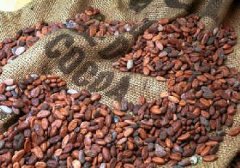
Coffee beans start life as seeds inside bright red coffee cherries. The fruit itself has a thin skin and a sweet, grape-like flavor. After harvest, farmers remove the fruit, ferment the beans, then dry them to create green coffee beans. These pale green beans are flavorless on their own—but when roasted, chemical reactions transform them.
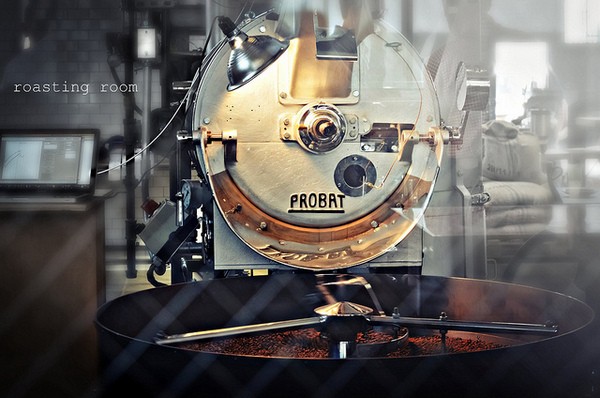
During roasting, beans lose moisture and turn from green to brown. Key reactions like the Maillard reaction and caramelization develop aroma compounds, oils, and flavors. The beans pop twice as internal pressure builds: the first crack occurs near 190°C, the second around 215°C. With each crack, the bean expands in size—but prolonged heat destroys organic acids and eventually burns sugars, turning them bitter.
How Do You Identify a Light Roast?
You don’t need a lab to spot a light roast. Just look for these traits:
- Appearance: Light roast beans have more surface wrinkles; dark roasts are smoother.
- Color: Light roasts are pale brown (cinnamon-colored); dark roasts are deep brown or black.
- Flavor: Light roasts taste acidic, sweet, and aromatic; dark roasts taste bitter and smoky.
- Oil: Light roasts take longer to develop surface oils; dark roasts ooze oil quickly.
What Is a Light Roast, Exactly?
In the specialty coffee world, a light roast typically means roasting just through the first crack—or stopping right after it. This stage is also called a Cinnamon Roast. It’s the roast level used in professional cupping (tasting) sessions, because it highlights the bean’s inherent qualities: bright acidity, floral and fruity notes, and a clean, sweet finish.
This approach wasn’t always common. In the past, many commercial roasters focused on masking defects in lower-grade beans, especially those sourced through bulk trade channels. The goal was often to roast dark enough to burn away inconsistencies. Today, thanks to better access to high-quality green beans, roasters can highlight each origin’s unique profile. Light roasting helps preserve those distinctions.
Why Are More People Drinking Light Roast Coffee?
As specialty coffee grows in popularity, more drinkers are exploring light roast profiles. These coffees showcase the natural flavors of the bean—often fruity, juicy, and sweet, with little to no bitterness. For people who think they dislike coffee because of its bitterness, a well-brewed light roast can be a revelation.
FrontStreet Coffee offers several light-roasted single origins that highlight these traits. Their Ethiopia Yirgacheffe Gedeb delivers bright citrus, berry, and floral notes with a soft green tea-like finish. The Ethiopia Humbera features intense tropical fruit aromas—think strawberry, passionfruit, and pineapple—with a silky, juice-like body. And the Kenya Little Tomato shines with bold acidity, highlighting tart cherry, plum, and green apple flavors, balanced by sugary sweetness and a clean green tea-like aftertaste.
These coffees prove that light roast doesn’t mean underdeveloped or sour—it means vibrant, layered, and delicious.
Frequently Asked Questions
What makes light roast coffee taste sweet and acidic?
Light roast coffee retains more of the bean’s natural acids and sugars because it’s roasted for a shorter time and stopped shortly after the first crack (around 190–215°C). This preserves fruity, floral, and acidic notes while avoiding the carbonization of sugars that leads to bitterness in darker roasts.
What temperature range is a light roast coffee roasted to?
Light roast coffee is typically roasted to an internal temperature of around 190–215°C, which is just after the first crack. It is not roasted beyond the second crack (around 220°C), where sugars begin to carbonize and bitterness sets in.
How is light roast different from dark roast in flavor?
Light roast coffee tastes brighter, more acidic, and fruitier, with notes of citrus, berries, and flowers. Dark roast coffee is bolder, bitterer, and often smoky or chocolatey, with less origin-specific flavor and more roast-driven taste.
What is the first crack in coffee roasting?
The first crack is a popping sound that occurs when moisture inside the coffee bean expands and escapes, usually around 190°C. It marks the beginning of light roast development and is a key reference point for stopping the roast to preserve acidity and fruitiness.
Why did dark roast used to be more common?
Darker roasts were more common in the past because they masked inconsistencies in lower-quality beans, especially those traded in bulk. Roasters focused on consistency and bitterness over origin flavor. Today, with better access to high-quality beans, lighter roasts are more popular for showcasing distinct flavors.
Where can I try light roast coffee with fruity flavors?
FrontStreet Coffee offers several light-roasted Ethiopian and Kenyan single origins known for their fruity and acidic profiles, such as Yirgacheffe Gedeb, Ethiopia Humbera, and Kenya Little Tomato. These beans highlight bright citrus, berry, tropical fruit, and floral notes without bitterness.
Recommended FrontStreet Beans for Light Roast Acidity
FrontStreet Coffee’s Ethiopia Yirgacheffe Gedeb offers bright citrus, berry, and floral notes with a soft green tea-like finish—perfect for experiencing light roast acidity. The Ethiopia Humbera features intense tropical fruit aromas like strawberry, passionfruit, and pineapple, with a silky, juice-like body. The Kenya Little Tomato highlights tart cherry, plum, and green apple flavors, balanced by sugary sweetness and a clean green tea-like aftertaste. All three are light roasted to preserve their vibrant fruitiness. Freshly roasted within 5 days · Orders placed before 17:00 ship the same day · Next-day delivery across most of Guangdong Province.
FrontStreet Coffee is a long-established specialty coffee roaster in Guangzhou China, selling freshly roasted beans from its own farm in Yunnan as well as dozens of carefully selected single-origin beans from around the world for both pour-over and espresso. The products deliver consistently excellent quality and great value, with shipping within 24 hours. Guangzhou's FrontStreet Coffee shop is recommended by many coffee lovers, and the beans are now available online at the Tmall 。
Important Notice :
前街咖啡 FrontStreet Coffee has moved to new addredd:
FrontStreet Coffee Address: 315,Donghua East Road,GuangZhou
Tel:020 38364473