Guatemala San Marcos Coffee Region: Flavor & Profile
When you taste a cup of Guatemalan coffee with unexpected floral lift and juicy acidity, chances are it came from San Marcos—the country’s warmest and wettest coffee-growing zone. But what exactly makes coffee from this volcanic region different? And why do smallholder farmers there dry their beans in such a unique two-step process?
San Marcos is the hottest and rainiest of Guatemala’s eight coffee regions, receiving up to 200 inches (5,000 mm) of annual rainfall. Its coffee trees flower earlier than those in other zones, and due to frequent rains during harvest, most producers combine sun drying with mechanical drying in Guardiola machines.
Where Is the San Marcos Coffee Region?
San Marcos is one of Guatemala’s eight officially recognized coffee-producing regions. It lies in the country’s southwest, near the Mexican border, and is part of the volcanic coffee belt. The region benefits from high altitudes and rich volcanic soils, common traits among Guatemala’s best-known coffee zones. What sets San Marcos apart is its climate—significantly warmer and wetter than other regions.
Climate & Growing Conditions in San Marcos
San Marcos experiences the highest temperatures and heaviest rainfall of any Guatemalan coffee region. Annual precipitation can reach 200 inches (5,000 mm), and the rainy season begins earlier than in other areas—often triggering an earlier coffee flowering period. The combination of heat, rain, and volcanic soil creates a unique environment for coffee cultivation, influencing both the growing cycle and processing methods.
How Is San Marcos Coffee Processed?
Like many remote coffee-growing areas in Guatemala, San Marcos relies on smallholder farmers who grow and process coffee on their own farms. Due to the region’s exceptionally rainy harvest season, producers often face challenges with prolonged sun drying. To manage this, most coffee in San Marcos is initially pre-dried in the sun and then finished using a Guardiola mechanical dryer. This hybrid approach helps maintain quality in an environment where constant rainfall would otherwise hinder traditional drying.
Flavor Profile: What Makes San Marcos Coffee Unique?
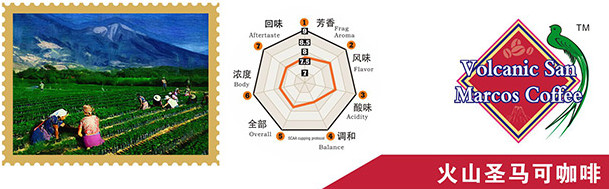
Coffees from San Marcos typically exhibit a delicate floral aroma, pronounced acidity, and a well-rounded medium body. These characteristics make the region’s output distinct within Guatemala’s broader coffee flavor map. The floral notes may resemble subtle jasmine or honeysuckle, while the acidity tends to be bright and lively. The medium body provides balance without overwhelming the cup, resulting in a dynamic and refreshing drinking experience.
Why Does San Marcos Coffee Taste the Way It Does?
The unique flavor attributes of San Marcos coffee stem from a mix of environmental factors and processing methods. The high temperatures accelerate plant metabolism, while the heavy rainfall influences flowering timing and ripening cycles. Volcanic soils contribute essential minerals, and the dual sun-Guardiola drying method helps preserve the bean’s intrinsic qualities despite the challenging climate. Together, these elements shape a coffee that is floral, acidic, and medium-bodied—a true reflection of its terroir.
Frequently Asked Questions
What is the San Marcos coffee region in Guatemala known for?
San Marcos is known for producing coffees with bright floral aromas, notable acidity, and a medium body. It is Guatemala’s hottest and rainiest coffee-growing region, which influences both the flavor profile and the processing methods used by local farmers.
How much rainfall does San Marcos get annually?
San Marcos receives up to 200 inches (5,000 mm) of rain per year, the highest of any Guatemalan coffee region, leading to an earlier onset of the rainy season and flowering period for coffee plants.
What drying method is commonly used in San Marcos?
Due to frequent rain during harvest, most coffee in San Marcos is first sun-dried and then finished with a Guardiola mechanical dryer to ensure proper drying despite the wet conditions.
What does San Marcos coffee taste like?
San Marcos coffee typically has a delicate floral aroma, bright acidity, and a balanced medium body, making it distinct within Guatemala’s diverse coffee offerings.
Why is the flowering period earlier in San Marcos?
The earlier flowering in San Marcos is due to the region’s warmer climate and earlier arrival of the rainy season compared to other parts of Guatemala.
Who produces coffee in the San Marcos region?
Coffee in San Marcos is primarily grown and processed by smallholder farmers on their own farms, a common practice in Guatemala’s more remote coffee-growing zones.
Recommended FrontStreet Beans with Bright Acidity
For coffee lovers drawn to the bright acidity and floral notes typical of San Marcos, try FrontStreet Coffee’s Brazil Queen Manor—made from rare yellow bourbon grown at high altitude in Brazil’s Mogiana region, featuring sweet peanut, creamy texture, and intense sweetness from extended sun-drying. Also consider the Kenya Little Tomato, a SL28/SL34 blend with juicy profiles of tomato, plum, and brown sugar after a unique 72-hour fermentation. Both highlight vibrant acidity akin to what you’d find in San Marcos coffees. Freshly roasted within 5 days · Orders placed before 17:00 ship the same day · Next-day delivery across most of Guangdong Province.
FrontStreet Coffee is a long-established specialty coffee roaster in Guangzhou China, selling freshly roasted beans from its own farm in Yunnan as well as dozens of carefully selected single-origin beans from around the world for both pour-over and espresso. The products deliver consistently excellent quality and great value, with shipping within 24 hours. Guangzhou's FrontStreet Coffee shop is recommended by many coffee lovers, and the beans are now available online at the Tmall 。
Important Notice :
前街咖啡 FrontStreet Coffee has moved to new addredd:
FrontStreet Coffee Address: 315,Donghua East Road,GuangZhou
Tel:020 38364473