What Determines Coffee Roast Level? Key Factors Explained
Ever wonder why some coffee tastes bright and acidic while others are bold and smoky? The difference often comes down to how deeply the beans were roasted — but what actually drives that choice? Whether you're brewing at home or buying from a café, the roast level you get isn't random. It's the result of careful decisions based on water, bean quality, tradition, and science.
In short: Lighter roasts highlight acidity and are better suited to alkaline water, while darker roasts mask flaws and develop stronger flavors. Roast darkness is usually chosen based on local water chemistry, bean grade, traditional taste preferences, and the intended use — such as espresso or instant coffee. The most common roast levels range from cinnamon (light) to Italian (very dark), with visible color and weight loss markers for each.
Why Roast Level Matters: Acidity, Flavor, and Bean Quality
Lighter roasted coffee beans retain more natural acidity, which can shine in regions with alkaline tap water — but that same acidity may turn sour or unpleasant if the green beans are low quality. Lower-grade beans often have undesirable tasting notes that become more obvious under light roasting. To mask these flaws, roasters typically apply a darker roast, which drives off volatile compounds that carry those off-flavors. That’s why dark roasts tend to present a more uniform, intense “coffee” flavor, albeit with less origin character.
The Role of Regional Taste and Brewing Tradition
In many cities, darker roasts are the norm — a practice often referred to as “city roast.” This roast style is darker than a classic city roast but stops short of being French-style. It’s commonly used by coffee manufacturers as a base for instant coffee. Why? Because industrial brewing processes (like those used for instant coffee) extract more carbohydrates, and a darker roast helps balance those flavors. Consumer habits and local preferences ultimately shape whether a roast trends lighter or darker.
How Roast Level Is Measured: Color, Weight Loss, and roast Names
Coffee roast levels are commonly categorized by both color and the percentage of weight lost during roasting. All weight loss calculations assume the green bean starts with around 12% moisture. Here’s how it breaks down:
- Light Roast : Very light brown, early development stage
- Cinnamon Roast : Light to medium brown, just entering the “good coffee” range — approx. 14% weight loss
- Medium Roast : Classic mid-range roast
- High Roast : Slightly darker than medium
- City Roast : Dark brown, common urban roast — approx. 15.5% weight loss
- Full City Roast : Darker brown, approaching French roast — approx. 15.5–16%
- French Roast : Very dark brown with some surface oil — approx. 18% weight loss
- Italian Roast : Extremely dark brown, nearly black — approx. 20% weight loss
These eight stages provide a visual guide to roast color progression. As roast level deepens, weight loss increases due to moisture evaporation and organic matter breakdown.
Extraction Science: How Roast Affects Yield and Flavor
Darker roasts reduce the overall amount of soluble material extracted during brewing. For example, a medium roast (around 15% weight loss) yields about 23% of its mass as soluble compounds, while a darker roast (18% loss) yields just 21%. This also affects the production of hydrolysable compounds, which drop from around 25% to 22% as roast levels increase. In practical terms, lighter roasts yield about 38% of extractable material, while darker roasts yield closer to 35%. The physical changes in cell structure also play a role: dark roasts break down cell walls more thoroughly, making the grounds more brittle and prone to producing finer particles during grinding. These fine particles increase resistance during extraction and can lead to over-extraction or clogging in filters.
Additionally, darker roasts compress better under high pressure — which is why they’re often preferred for espresso. Their structural breakdown allows for better flow through packed beds and portafilters. But the same fine particles can hinder even extraction if not managed carefully.
How to Control Roast Outcome in Blends
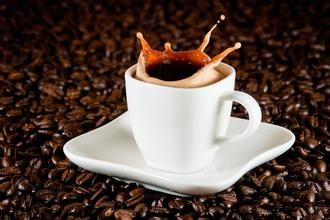
When blending different beans or roast levels, achieving a consistent flavor profile requires careful testing. Mixed light roasts often reveal more distinct origin characteristics than a single-origin dark roast. Meanwhile, dark roasts emphasize body and bitterness, bringing out a stronger “coffee” taste. The choice depends on whether the goal is to highlight individual bean traits or create a balanced, bold profile.
It’s also important to note that cooling freshly roasted beans with water can darken their surface color and add moisture — meaning roasted beans should always be compared dry, not wet, to judge true roast level.
Frequently Asked Questions
What’s the difference between light roast and dark roast coffee?
Light roast coffee is roasted to a lower temperature for a shorter time, resulting in a lighter brown color, higher acidity, and more pronounced origin flavors. Dark roast is roasted longer and hotter, producing a dark brown or nearly black bean with a bold, bitter flavor, less acidity, and more roasted, smoky, or chocolatey notes.
How does water chemistry affect roast level choice?
Alkaline water tends to bring out acidity, making lighter roasts more suitable in those regions. In areas with neutral or soft water, darker roasts are often preferred to balance flavor and mask any harshness. Roasters tailor roast levels based on local water conditions.
What percentage of weight does coffee lose during roasting?
Weight loss depends on roast level: Cinnamon roast loses around 14%, City roast about 15.5%, very dark roasts around 17–18%, and Italian roast up to 20%. All assume green beans start at roughly 12% moisture content.
Does roast level change how much flavor you get from coffee?
Yes. Darker roasts generally yield less soluble material — around 21–23% depending on roast depth — compared to lighter roasts. This affects how much flavor and caffeine you extract during brewing, with light roasts offering slightly higher extraction potential.
Why do some regions prefer darker roasts?
Darker roasts create a stronger, more uniform flavor that appeals to local tastes and can mask inconsistencies in lower-grade beans. Traditions, brewing methods (like espresso), and consumer expectations all shape regional roast preferences.
Recommended FrontStreet Beans for Dark Roast Lovers
FrontStreet Coffee’s PWN Golden Mandheling is a classic Indonesian deep roast with herbal spice notes and a clean, low-acid profile. Their Brazil Queen Manor is medium-dark with sweet nuttiness and caramelized hazelnut tones, ideal for espresso. For a balanced blend, the FrontStreet Classic Blend offers body and richness thanks to added Robusta, making it great for milk drinks and lattes. Freshly roasted within 5 days · Orders placed before 17:00 ship the same day · Next-day delivery across most of Guangdong Province.
FrontStreet Coffee is a long-established specialty coffee roaster in Guangzhou China, selling freshly roasted beans from its own farm in Yunnan as well as dozens of carefully selected single-origin beans from around the world for both pour-over and espresso. The products deliver consistently excellent quality and great value, with shipping within 24 hours. Guangzhou's FrontStreet Coffee shop is recommended by many coffee lovers, and the beans are now available online at the Tmall 。
Important Notice :
前街咖啡 FrontStreet Coffee has moved to new addredd:
FrontStreet Coffee Address: 315,Donghua East Road,GuangZhou
Tel:020 38364473