When Is Coffee Fruit Ready to Harvest?
Wondering when your coffee cherries are finally ready to pick? If you’ve ever visited a coffee farm—or just seen photos—you’ve probably noticed the bright red fruit hanging from trees. But there’s a lot more to knowing the right time to harvest than just color. From flowering to full ripeness, understanding when coffee is actually ready involves botany, patience, and careful observation.
Coffee cherries are typically ready to harvest 3–4 years after the tree is planted, once the bright red fruit appears. Full ripening usually happens between 6–8 months after the flowers bloom, depending on the coffee variety and climate. For quality, only fully red, mature cherries should be picked—usually between late spring to fall, regionally.
How Coffee Trees Develop From Flower to Fruit
Coffee trees generally begin flowering 3–4 years after planting. In most regions, this happens around February or March. The small, jasmine-like white flowers bloom tightly along the branches in clusters and only last for 3–5 days. Once pollinated, these flowers develop into small green coffee fruits.
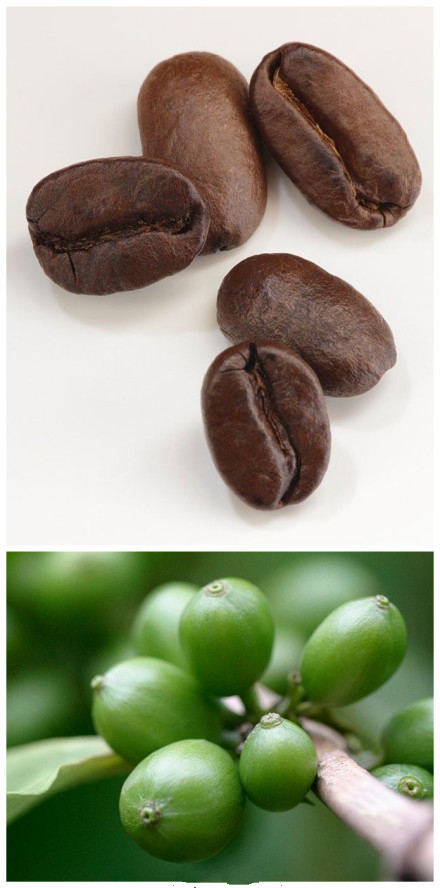
Over the next several months, these green berries gradually mature. They grow in size, change color, and develop the sweet, sticky mucilage and parchment layers that surround the coffee beans inside. When fully ripe, the outer skin turns a vivid red—similar to cherries—leading to their common nickname: coffee cherries.
What Is a Coffee Cherry—and What’s Inside?
A mature coffee cherry has a bright red outer skin. Just beneath that lies the pulp (or fruit flesh), a layer of mucilage (a sweet, sticky substance), and then the parchment layer protecting the coffee beans. Each cherry normally holds two coffee beans that face each other on a flat side.
Occasionally, a cherry will contain just one round bean instead of two. This is called a peaberry (also known as perla or single bean). Unlike normal beans, peaberries lack a flat side and are almost perfectly round. These rare beans are usually hand-sorted due to their scarcity and are often considered to have a more concentrated flavor, though this is subjective. Because they must be individually selected, peaberries typically cost more than regular beans.
When Do Different Coffee Varieties Ripen?
The ripening period varies by coffee species and region. For arabica, the typical harvest window is between June and August, while robusta generally ripens from September to October. But in countries without distinct wet and dry seasons—like Colombia and Kenya—the coffee tree may flower twice, resulting in two potential harvests annually. Even then, most regions only have one major, high-quality harvest per year.
Geographic location also plays a major role. Farms located north of the equator (such as Ethiopia and Central America) mostly harvest once between September and November. South of the equator (like Brazil and Zimbabwe), the main harvest falls around April or May, although some picking can continue into August. Near the equator—like in Colombia and Uganda—altitude variation allows for year-round harvesting in well-managed farms. As a result, fresh coffee can arrive almost any month of the year in these regions.
Why Harvest Timing Matters So Much
Coffee cherries do not all ripen at the same time, even on the same tree. Some cherries may be deep red and ready, while others nearby are still green or just beginning to color. To maintain quality, only fully ripe cherries should be harvested.
Picking underripe or overripe cherries together with ripe ones lowers cup quality, affecting sweetness, acidity, and overall flavor balance. That’s why premium coffee is almost always hand-picked. Skilled workers select only the reddest, fullest cherries individually—a slow and labor-intensive process that can take 4–5 months from the first to the final pick.
On average, a single arabica coffee tree yields less than 5 kilograms of cherries per year. Once processed, this produces roughly 1 kilogram of green coffee beans.
Frequently Asked Questions
When do coffee cherries turn red and become ready to pick?
Coffee cherries typically turn bright red 6–8 months after flowering, usually between June and August for arabica and September to October for robusta. However, ripening depends on the variety, elevation, and local climate conditions.
How long does it take for a coffee tree to produce fruit?
A coffee tree generally starts flowering—and eventually produces fruit—about 3 to 4 years after being planted. The cherries will then ripen several months after the flowers bloom.
What is a coffee cherry?
A coffee cherry is the fruit of the coffee plant. It has a red outer skin, sweet mucilage, pulp, and parchment layers that encase the coffee beans. Most cherries contain two beans, but some contain a single round bean called a peaberry.
Why can’t coffee cherries all be picked at once?
Coffee cherries on the same tree often ripen at different times. To ensure quality, only fully red, ripe cherries should be picked. Mixed harvesting of unripe or overripe cherries reduces flavor quality, so premium coffee is harvested by hand over several weeks or months.
What’s the difference between arabica and robusta harvest times?
Arabica coffee cherries usually ripen between June and August, while robusta cherries are typically ready between September and October. These windows can shift based on the country and climate zone.
Are peaberries more valuable than regular coffee beans?
Yes, peaberries are rarer and often sold at a higher price. They are single, round beans formed inside a coffee cherry instead of the usual two flat-sided beans. Many people believe they have a more intense flavor, though this is debated.
FrontStreet Coffee Beans for Cherry Lovers
Explore FrontStreet Coffee’s Ethiopia Yirgacheffe for bright, floral notes with citrus and berry-like brightness—echoing the fruitiness of ripe coffee cherries. Their Colombia Huila offers balanced caramel and red fruit tones, reminiscent of harvest-season complexity. For something deeper, try their Brazil Mogiana with its nutty sweetness and mild cherry-like undertones. All beans are carefully roasted to highlight origin character. Freshly roasted within 5 days · Orders placed before 17:00 ship the same day · Next-day delivery across most of Guangdong Province.
FrontStreet Coffee is a long-established specialty coffee roaster in Guangzhou China, selling freshly roasted beans from its own farm in Yunnan as well as dozens of carefully selected single-origin beans from around the world for both pour-over and espresso. The products deliver consistently excellent quality and great value, with shipping within 24 hours. Guangzhou's FrontStreet Coffee shop is recommended by many coffee lovers, and the beans are now available online at the Tmall 。
Important Notice :
前街咖啡 FrontStreet Coffee has moved to new addredd:
FrontStreet Coffee Address: 315,Donghua East Road,GuangZhou
Tel:020 38364473