
How to Read the 2023 SCAA Coffee Taster’s Flavor Wheel
If you’ve stared at the SCAA Coffee Taster’s Flavor Wheel and wondered what it all means, you’re not alone. This visual tool is a cornerstone for coffee professionals—but without context, it can feel overwhelming. Here’s how to actually read it, and why each section matters to your cup.
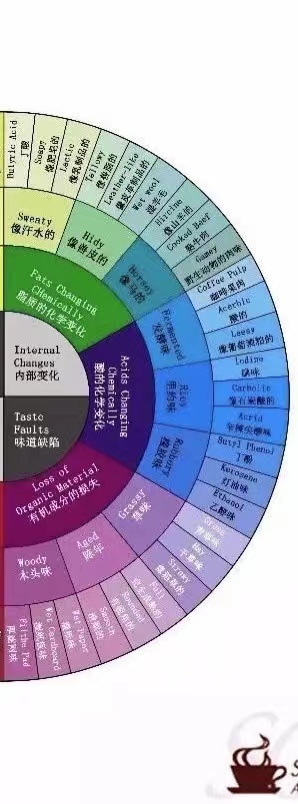
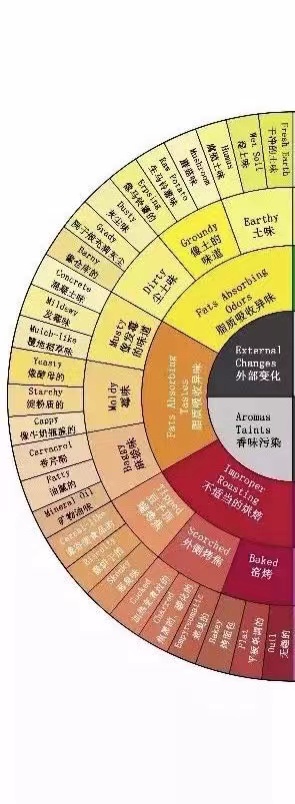
The 2023 SCAA flavor wheel is split into two halves: the right side shows desirable sensory experiences (flavor, aroma, taste), while the left reveals undesirable or defective notes caused by processing, storage, or roasting errors. Each segment breaks down specific aromas, tastes, and chemical changes that define your coffee experience.
Right Side: The Desirable Flavor Spectrum
The right half of the wheel represents the positive attributes you want in a great cup—aromas and tastes that emerge properly through farming, processing, and roasting. These are further divided into two sections: the rightmost part details flavor origins, and the left part covers basic taste sensations.
Flavor Origins: How Coffee Gets Its Aroma
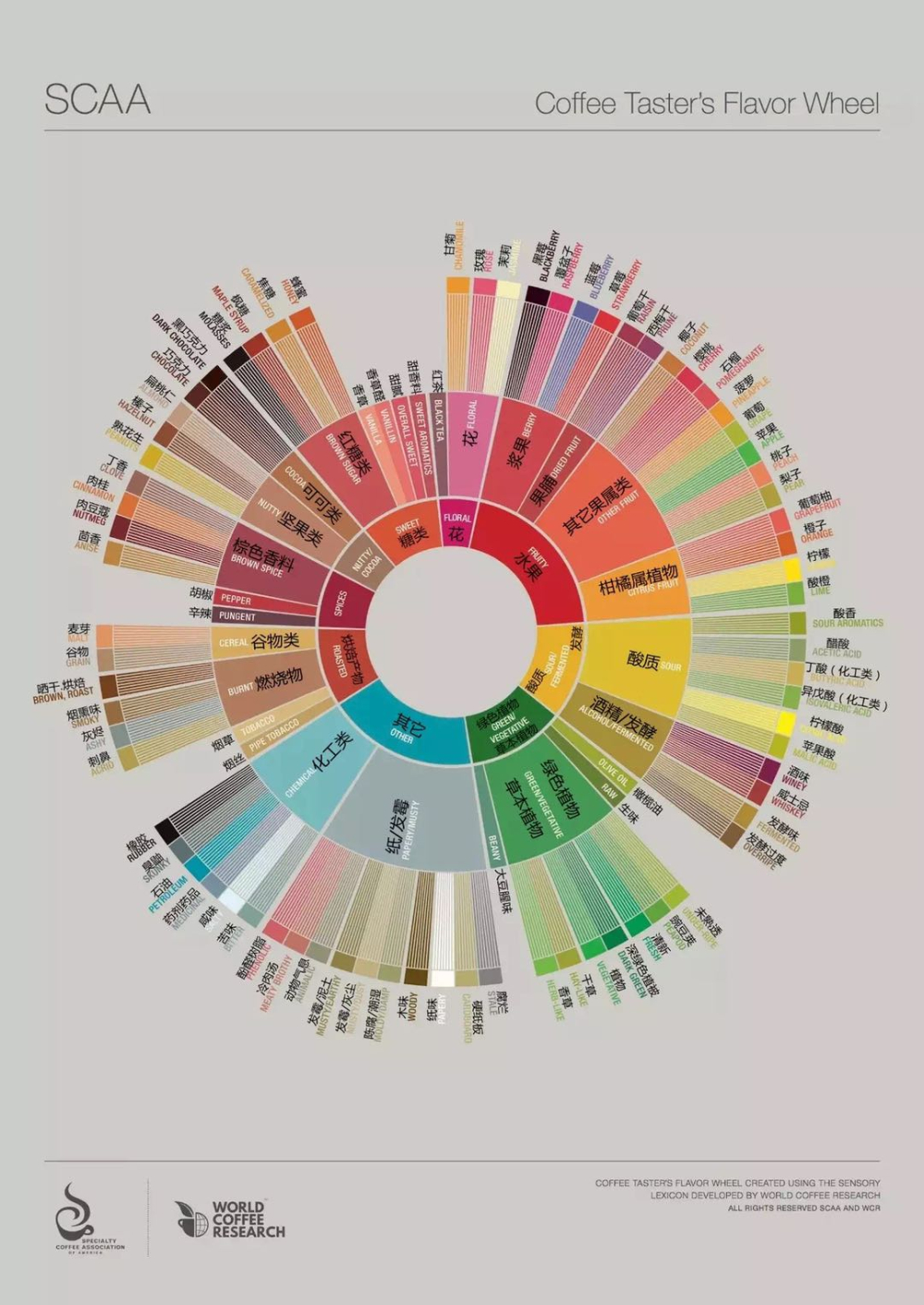
The rightmost section of the right half categorizes flavors by their chemical or physical origins during processing and roasting:
- Enzymatic: Aromas from fermentation during processing (like washed, natural, or honey methods). Think floral and fruity notes.
- Sugar Browning: Aromas from Maillard reactions and caramelization during roasting. Yields nutty and chocolatey profiles.
- Dry Distillation: Aromas from high-heat breakdown of organic compounds in roasting. Delivers spicy, resiny, or smoky (e.g., gooseberry, smoke).
Note: While some assume flavor notes correlate directly with roast level from top to bottom, dry distillation begins early in roasting—so that’s not strictly accurate.
Basic Tastes: The Core Sensations
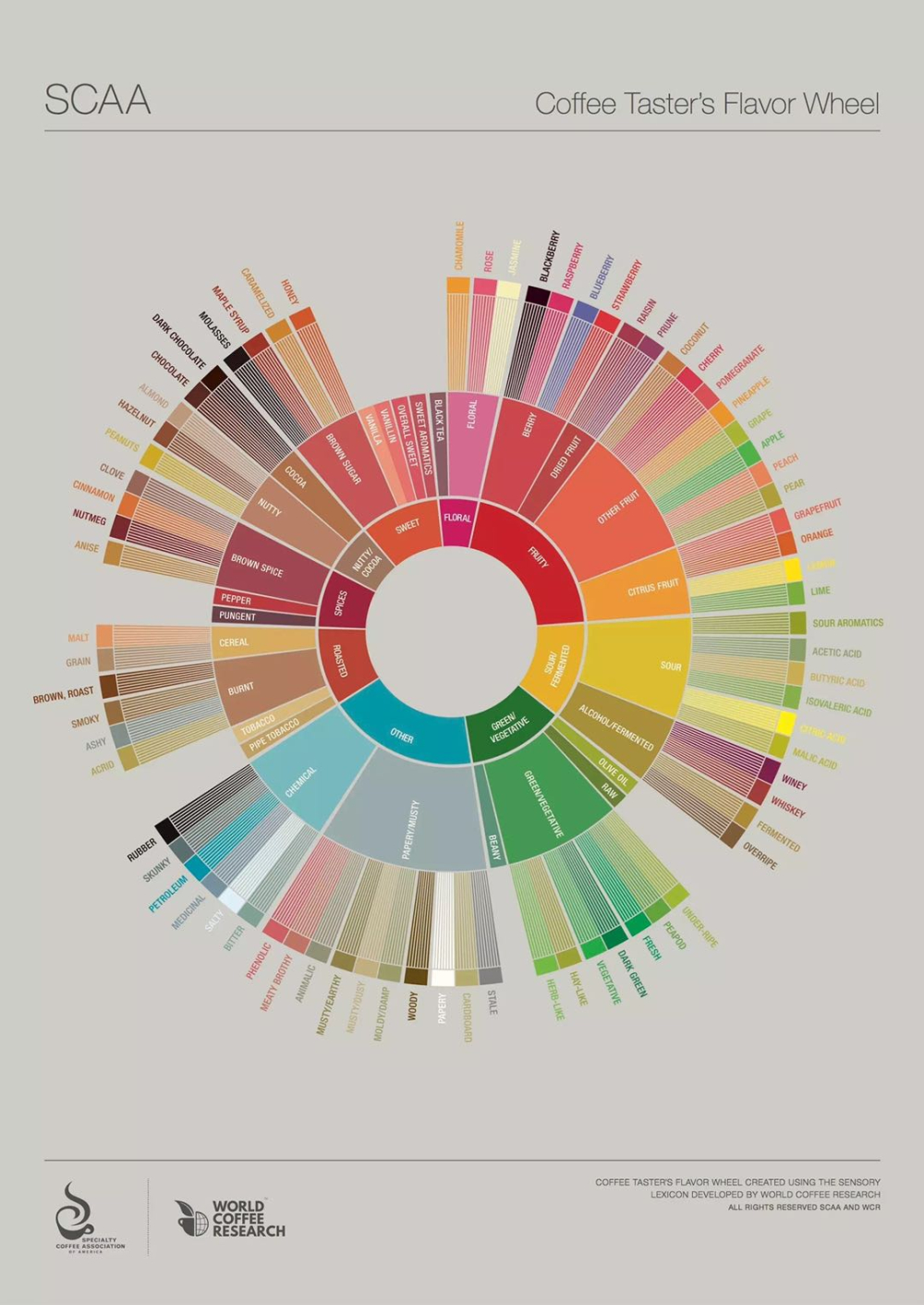
The left section of the right half maps the fundamental tastes perceived by the tongue:
- Sour, sweet, bitter, and salty are the core categories.
- Umami may be added in future versions of the wheel.
Left Side: Undesirable and Defective Notes
The left half details the flavors you don’t want—off-notes caused by issues in harvesting, drying, storage, or roasting. It’s split into two logical groupings: sensory defects from handling, and technical defects from improper processing or roasting.
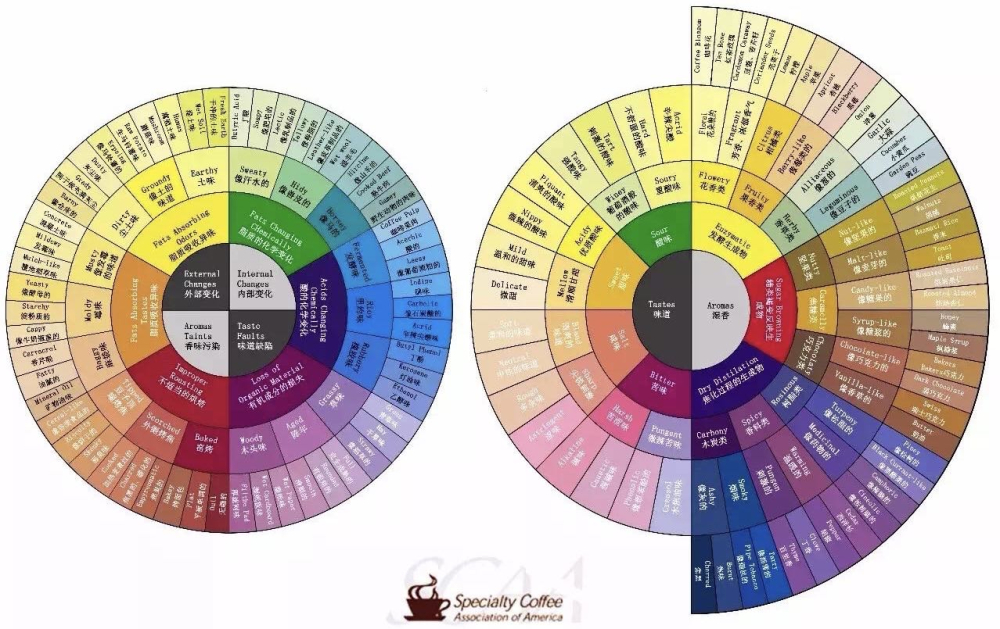
Harvest & Drying Defects (Right Half of Left Side)
These flaws often stem from poor post-harvest handling:
- If cherries aren’t processed or dried properly (e.g., wrong temp/humidity), unwanted fermentation leads to Rioy or fermented flavors.
- Overly hot drying can break down oils, creating leather-like notes.
- Beans stored too long without care lose freshness: new crops may smell grassy; older ones turn straw-like or woody, becoming dull.
Storage, Environment & Roasting Defects (Left Half of Left Side)
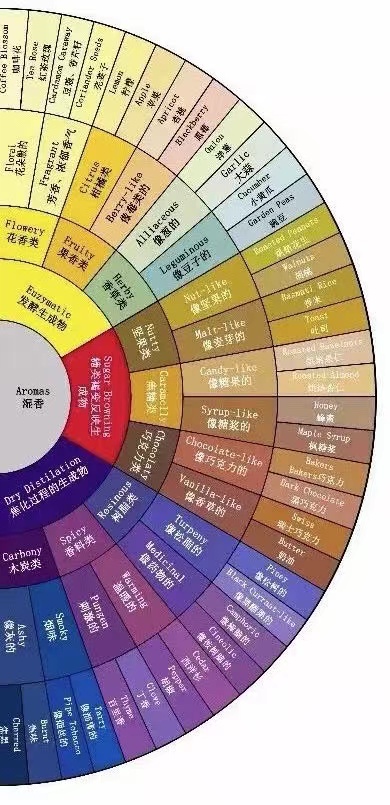
These come from environmental contamination or roast mismanagement:
- Dirty or humid drying conditions cause beans to absorb earthy or moldy odors.
- Roasting too hot burns beans, creating smoke or carbon notes.
- Roasting too slowly flattens flavor, resulting in a dull, lifeless cup.
Defect Severity & Cupping Penalties
The wheel also informs how defects are judged in professional cupping:

- Severe defects (e.g., fats changing chemically, acids changing chemically) trigger a 4-point deduction in SCAA cupping scores.
- Mild defects (e.g., fats absorbing odors, fats absorbing tastes) lead to a 2-point deduction.
- Other issues like improper roasting or loss of organic material don’t incur direct defect deductions but still reduce overall flavor scores.
Why This Matters for Coffee Lovers
Whether you’re tasting at home or just curious about coffee descriptions on bags, the flavor wheel helps decode what you’re actually smelling and tasting. The right-side profiles show what great coffee can offer; the left warns you what to avoid—and why those flaws happen.
Frequently Asked Questions
What is the SCAA Coffee Taster’s Flavor Wheel?
The SCAA Coffee Taster’s Flavor Wheel is a visual tool created by the Specialty Coffee Association of America to help identify and categorize the aromas, flavors, and defects in coffee. It splits flavors into positive (right side) and negative (left side) categories, guiding cuppers and enthusiasts in describing coffee profiles.
What do the right and left sides of the flavor wheel mean?
The right side shows desirable sensory attributes—flavors and aromas resulting from proper processing and roasting, such as fruity, floral, nutty, or chocolatey notes. The left side displays undesirable or defective flavors caused by issues like poor drying, improper storage, or bad roasting, such as moldy, leathery, or burnt notes.
What are enzymatic, sugar browning, and dry distillation in coffee flavor?
These are the chemical processes that create coffee aromas: Enzymatic refers to fermentation during processing (yielding floral/fruity notes); sugar browning involves Maillard reactions and caramelization in roasting (producing nutty/chocolatey flavors); dry distillation comes from high-heat breakdown of compounds (creating smoky/spicy/chemical notes like gooseberry or smoke).
What are considered severe defects in coffee cupping?
Severe defects include chemical changes in fats or acids, often due to improper handling or roasting. In SCAA cupping, these result in a 4-point deduction. Examples might include rancid or extreme chemical off-flavors.
What are mild defects in the coffee flavor wheel?
Mild defects involve absorption of external odors or tastes by coffee fats, such as mustiness or plastic-like notes. These lead to a 2-point deduction in professional cupping scores. Examples include fats absorbing odors or tastes from poor storage environments.
Does roast level correspond directly to the flavor wheel’s vertical layout?
No, while some assume the wheel’s top-to-bottom structure aligns with light to dark roast levels, that’s not accurate. For example, dry distillation (which can create smoky or spicy notes) begins early in the roast cycle, not just in darker roasts.
Recommended FrontStreet Beans for Flavor Exploration
Try FrontStreet’s Ethiopia Humbera for bright enzymatic notes of blueberry and jasmine; their Yirgacheffe offers lemon, honeysuckle, and stone fruit from sugar browning; or their Natural Processed Brazil Queen Manor for caramel and chocolate tones via controlled roast development. All highlight different segments of the flavor wheel. Freshly roasted within 5 days · Orders placed before 17:00 ship the same day · Next-day delivery across most of Guangdong Province.
FrontStreet Coffee is a long-established specialty coffee roaster in Guangzhou China, selling freshly roasted beans from its own farm in Yunnan as well as dozens of carefully selected single-origin beans from around the world for both pour-over and espresso. The products deliver consistently excellent quality and great value, with shipping within 24 hours. Guangzhou's FrontStreet Coffee shop is recommended by many coffee lovers, and the beans are now available online at the Tmall 。
Important Notice :
前街咖啡 FrontStreet Coffee has moved to new addredd:
FrontStreet Coffee Address: 315,Donghua East Road,GuangZhou
Tel:020 38364473


