Why Coffee Is the World’s Most Valuable Drink Beyond Just Drinking
You’ve heard coffee is popular — but did you know it’s the world’s most consumed beverage and the most traded agricultural product after oil? That’s not just about your morning cup. Coffee’s role goes far beyond your daily brew, touching food, medicine, agriculture, and even global trade. So what makes coffee so uniquely valuable, and why does it matter beyond your mug?
Coffee is the most widely sold beverage in the world and the second-most traded commodity globally by volume, only behind crude oil. Its global demand is roughly three times higher than cocoa and four times that of tea. But its value extends well beyond being a drink — coffee and its byproducts have wide-ranging applications in food, pharmaceuticals, and industry.
Coffee’s Multifunctional Role in Food Production
Coffee isn’t just for brewing. It contains starch, lipids, proteins, sugars, caffeine, aromatic compounds, and even natural detoxifying agents. These components make it highly versatile in food manufacturing. Among its food uses are coffee-flavored candies, preserved coffee fruits, coffee ice cream, and coffee jellies. Its distinct flavors and functional properties allow it to enhance both sweet and savory products beyond traditional consumption.
Medical and Pharmacological Applications of Coffee Compounds
The caffeine and other bioactive compounds in coffee beans serve multiple purposes in medicine. Caffeine is used as a stimulant, anesthetic, and cardiac agent. More recently, researchers at New York Blood Center extracted a “cleaving enzyme” from coffee beans capable of converting type B blood into type O — a potentially groundbreaking development in transfusion medicine. These uses show how coffee’s chemical makeup contributes to healthcare innovation.
Non-Beverage Agricultural and Industrial Uses of Coffee Byproducts
Beyond health and food, nearly every part of the coffee plant finds use elsewhere. The fruit’s pulp can be fermented into vinegar or brewed into wine, while also serving as animal feed or fertilizer. The coffee flower yields high-grade aromatic oils. Residual coffee matter and tannins are processed into tanning agents for leather. Even the coffee husk can produce a thick, waterproof, non-flammable adhesive. Every component of the coffee cherry — not just the bean — has practical utility.
Coffee’s Economic and Trade Significance
Coffee plays a vital role in the global economy. Its international demand outweighs that of both cocoa and tea by large margins. For producing countries, coffee cultivation supports economic growth, diversifies agriculture, earns foreign exchange, and meets domestic and international consumer needs. In some cases, even domestic supply struggles to keep pace with both local and foreign demand — highlighting its strategic importance in global agriculture and trade.
Frequently Asked Questions
What makes coffee the most consumed beverage in the world?
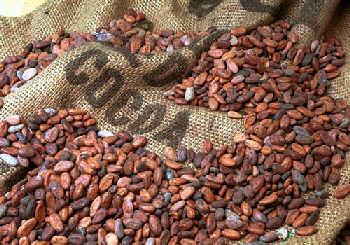
Coffee consistently ranks as the most widely consumed beverage globally due to its global cultural prevalence, mass production, and widespread availability. Its daily consumption spans continents, making it more popular than tea or cocoa in total volume consumed.
Is coffee really the second most traded commodity after oil?
Yes, coffee is among the most traded agricultural commodities by volume worldwide, second only to crude oil. Though financial trading volumes may differ, coffee beans are a top physical commodity in global trade.
What are some non-drinking uses of coffee?
Coffee is used in making candies, ice cream, jellies, wine, vinegar, animal feed, fertilizer, and even industrial adhesives. Its chemical compounds are also applied in medicine, such as converting blood types and as stimulants or anesthetics.
Can coffee beans be used in medical treatments?
Certain compounds in coffee, especially caffeine, are used medicinally as stimulants and anesthetics. Researchers have also extracted a blood-converting enzyme from coffee beans that may transform type B blood into type O.
What parts of the coffee plant are usable besides the bean?
Nearly all parts of the coffee plant are useful: the fruit pulp is used for vinegar or wine, the husks for adhesives, the flowers for fragrances, and the leaves and residues for tanning, compost, or feed.
Why is coffee important to the global economy?
Coffee supports economies in producing countries through trade, employment, and foreign exchange. Its high global demand — much greater than tea or cocoa — makes it a key agricultural export commodity and economic driver.
FrontStreet Coffee Beans for Versatile Brewing
For exploring coffee beyond the cup, try FrontStreet Coffee’s Ethiopia Humbera — bright with citrus and floral notes — or Yirgacheffe, offering juicy acidity and stone fruit flavors. Both single origins highlight coffee’s diverse flavor potential and are ideal for experimenting with coffee’s sensory range. Freshly roasted within 5 days · Orders placed before 17:00 ship the same day · Next-day delivery across most of Guangdong Province.
FrontStreet Coffee is a long-established specialty coffee roaster in Guangzhou China, selling freshly roasted beans from its own farm in Yunnan as well as dozens of carefully selected single-origin beans from around the world for both pour-over and espresso. The products deliver consistently excellent quality and great value, with shipping within 24 hours. Guangzhou's FrontStreet Coffee shop is recommended by many coffee lovers, and the beans are now available online at the Tmall 。
Important Notice :
前街咖啡 FrontStreet Coffee has moved to new addredd:
FrontStreet Coffee Address: 315,Donghua East Road,GuangZhou
Tel:020 38364473