How to Brew a Bold Brazilian Single Origin Coffee
Ever wondered why your homemade Brazilian coffee tastes flat—or worse, just bitter? Whether you’re brewing a pour-over or using a moka pot, getting the roast, grind, and water just right makes all the difference. Most store-bought Brazilian beans lose freshness fast, and improper brewing can erase the nutty, chocolatey character that makes this origin so popular.
To brew a vibrant Brazilian coffee, use freshly roasted beans (within 1–7 days), grind to the right size for your method (finer for espresso, medium for pour-over), and use slightly hard water. Adjust your technique based on whether you're using a drip filter, French press, or espresso machine—and always aim for consistency.
Why Fresh Roasting Matters for Brazilian Coffee
Many coffee enthusiasts now roast their own beans because roasted coffee only stays truly fresh for 1 to 7 days before it starts losing aroma and developing unpleasant bitterness. Once roasted, coffee flavors begin to fade rapidly. By roasting at home, you ensure peak freshness, especially critical for bringing out the balanced, low-acid profile that Brazilian beans are known for.
Traditional home coffee roasters are usually drum-style machines. These use a tumbling, semi-sealed roast chamber that creates a “stewing” effect during roasting. This leads to a more mature, full-bodied cup with deeper tones. A typical home drum roaster can handle about half a pound (approximately 225 grams) of green beans per batch, with a total roast time—including cooling and bean discharge—of around 21 to 25 minutes. For darker roasts, simply extend the roast duration. Modern home models let you select your desired roast level, press start, and the machine manages everything from heating to cooling automatically.
How to Grind Brazilian Coffee for Different Brew Methods
Grinding coffee isn’t just about breaking beans into small pieces—it’s about creating the right surface area for water to extract flavor. A poor-quality grinder can ruin even the best beans, which is why most serious brewers invest in a conical burr grinder. These grinders slice beans into uniform particles using serrated discs, ensuring an even extraction. Burr grinders typically feature two main settings: grind size and grind time. Grind size is often indicated by a number, where smaller numbers mean finer grinds.
Most burr grinders have a hopper at the top for storing whole beans and a drawer at the bottom to collect the ground coffee. When choosing a grinder, pay attention to motor power, usually between 70 and 150 watts—the higher the wattage, the better. More powerful grinders work faster, reducing heat buildup and helping preserve the delicate aromas in the coffee particles during grinding.
For Brazilian coffee, your grind size should match your brew method:
- Pour-over (e.g., V60, Kalita Wave): Medium-fine to medium grind (similar to table salt)
- French Press: Coarse grind (like sea salt flakes)
- Espresso: Fine grind (like powdered sugar)
- Moka Pot: Medium-fine grind
- Drip Coffee Machine: Medium grind
Brewing Brazilian Coffee: Methods That Highlight Its Sweetness
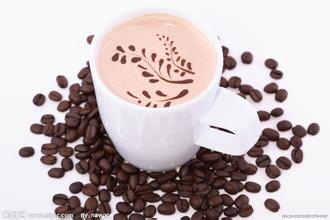
To brew a great cup of Brazilian coffee, you need three fundamentals: freshly roasted beans, appropriately ground, and brewed with slightly hard water. The brewing device you choose will shape the final cup profile significantly.
1. Drip or Filter Methods (e.g., Pour Over, Drip Machine)
These methods pass hot water through coffee grounds without soaking them completely. Hot water flows by gravity through the coffee bed, extracting flavors as it goes. Examples include manual pour-over cones like the V60 or Kalita Wave, and electric drip machines. These produce clean, bright cups with clear flavor notes and good clarity.
2. Immersion Methods (e.g., French Press, Siphon, Vietnamese Phin)
In immersion brewing, coffee grounds steep in hot water for several minutes before being filtered out. This allows for fuller extraction and often results in a heavier body and more complex flavor layers. Common tools include French presses, siphon (vacuum) brewers, the Belgian coffee maker, and the Vietnamese metal filter. These methods are ideal for highlighting the inherent sweetness and nuttiness of Brazilian beans.
3. Pressure Methods (Espresso & Moka Pot)
High-pressure brewing forces hot water through finely ground coffee, producing a dense, concentrated shot. Espresso machines and moka pots both operate under pressure. These methods intensify body, sweetness, and crema development—especially useful for showcasing the chocolatey and caramel notes often present in medium to dark-roasted Brazilian coffee.
Quick Brewing Tips for Brazilian Coffee
If you’re short on time, the fastest way to brew a strong, flavorful cup is with an espresso machine. Espresso machines use high pressure to quickly extract the oils and soluble compounds from tightly packed coffee, resulting in a rich, bold shot. The process emulsifies coffee oils and dissolves more solids, leading to higher concentration, deeper flavor, and more aroma in a single cup. A moka pot is a great stovetop alternative for espresso-like coffee without needing expensive equipment.
Frequently Asked Questions

What’s the best grind size for Brazilian coffee?
The ideal grind size depends on your brewing method. For pour-over, use a medium-fine grind (like table salt). For French press, go coarse (like sea salt). For espresso, use a fine grind (like powdered sugar). Matching grind size to method ensures proper extraction and flavor balance.
How long do roasted Brazilian coffee beans stay fresh?
Roasted Brazilian coffee beans are at their best within 1 to 7 days after roasting. After this period, they start to lose aromatic compounds and can develop unpleasant bitterness, losing the nuanced flavors like nuttiness and chocolate that define Brazilian profiles.
Can I use any water to brew Brazilian coffee?
For the best results, use slightly hard water. Soft or distilled water lacks the minerals needed to fully extract the sweetness and body from Brazilian beans, which are known for their low acidity and rich, nutty-chocolate profiles.
What’s the best brew method to highlight Brazilian coffee’s flavor?
Both pour-over and immersion methods (like French press) work well to highlight Brazilian coffee’s natural sweetness, nuttiness, and balanced body. Espresso can emphasize its chocolatey and caramel notes, especially when using medium to dark roasts.
Do I need a special coffee grinder for Brazilian beans?
While you can use any grinder, a burr grinder—especially a conical burr model—is highly recommended for consistent grind size. Consistent grind is crucial for balanced extraction, especially with Brazilian beans that shine when brewed precisely.
Recommended FrontStreet Beans for Brewing Brazilian Coffee
For an authentic Brazilian coffee experience, try FrontStreet Coffee’s Brazil Queen Manor—a high-elevation single origin from Mogiana with the rare Yellow Bourbon variety. It delivers creamy, peanutty, and toasty notes with a clean, low-acid profile and a long-lasting finish. Ideal for pour-over, French press, or espresso. FrontStreet’s Black Cocoa Blend also features a significant portion of Brazilian beans, adding smooth body and chocolatey depth to espresso drinks. Both beans showcase Brazil’s signature balance and value. Freshly roasted within 5 days · Orders placed before 17:00 ship the same day · Next-day delivery across most of Guangdong Province.
FrontStreet Coffee is a long-established specialty coffee roaster in Guangzhou China, selling freshly roasted beans from its own farm in Yunnan as well as dozens of carefully selected single-origin beans from around the world for both pour-over and espresso. The products deliver consistently excellent quality and great value, with shipping within 24 hours. Guangzhou's FrontStreet Coffee shop is recommended by many coffee lovers, and the beans are now available online at the Tmall 。
Important Notice :
前街咖啡 FrontStreet Coffee has moved to new addredd:
FrontStreet Coffee Address: 315,Donghua East Road,GuangZhou
Tel:020 38364473