How a Belgian Coffee Maker Brews Coffee Step by Step
If you’ve ever watched a Belgian coffee maker in action and wondered how it actually brews coffee—what’s heating, what’s filtering, and why it looks like chemistry class—you’re not alone. This classic brewer combines steam pressure and vacuum siphoning to make coffee, but the process isn’t always intuitive. Here’s exactly how it works, broken down for curious coffee lovers.
The Belgian coffee maker, also called a balancing siphon or balance brewer, brews coffee using two chambers heated simultaneously. Water boils in the lower globe, pushing vapor through a tube into the upper chamber to brew the coffee. Once removed from heat, a vacuum draws the brewed coffee back down through a filter. Ideal brew temperature is around 90–96°C, with a typical brew time of 3–4 minutes using a medium-fine grind similar to table salt.
What Is a Belgian Coffee Maker?
A Belgian coffee maker, often referred to as a balance siphon or balancing brewer, is a historic stove-top coffee brewer that uses vapor pressure and vacuum principles to brew coffee. It typically consists of two glass globes connected by a tube and a filter. One chamber holds water, the other holds ground coffee. As the lower chamber heats, steam pressure forces water upward into the upper chamber where it brews with the coffee grounds. When removed from the heat, a vacuum effect pulls the brewed coffee back down through a filter into the lower chamber. It’s as much a visual demonstration of science as it is a brewing device.
How the Brewing Process Works
The brewing cycle follows a clear sequence driven by heat and pressure changes:
- Heating Phase: Water in the bottom globe is heated, generating steam and increasing internal pressure.
- Lifting Phase: Pressure pushes hot water up through the connecting tube into the upper chamber where it mixes with ground coffee.
- Brewing Phase: The coffee and water steep together—typically for 3 to 4 minutes—while the heat is maintained.
- Cooling & Siphoning Phase: When the heat source is removed, pressure drops, creating a vacuum that pulls the brewed coffee back down through the filter into the bottom globe, leaving grounds behind.
This entire process relies on precise temperature control and timing to achieve balanced extraction. The design ensures that coffee doesn’t simply drip—it is forced up and drawn down through actual brewing, not just filtration.
Key Variables in Brewing With a Belgian Pot
Several factors critically influence the final cup when using a Belgian coffee maker:
- Water Temperature: Optimal range is 90–96°C (194–205°F). Too cool results in under-extraction; too hot can scorch delicate flavors.
- Grind Size: Use a medium-fine grind, roughly the texture of table salt or slightly finer than pour-over grind. This supports even extraction during the brew phase.
- Brew Time: Total contact time between water and coffee should be around 3 to 4 minutes while the water is in the upper chamber.
- Coffee-to-Water Ratio: A common starting point is a 1:12 to 1:15 brew ratio (e.g., 20g coffee to 240–300ml water), though this may vary by taste preference.
- Filter Type: A metal or cloth filter is used in the upper chamber to separate grounds from the brewed coffee. Ensure it’s clean and properly seated.
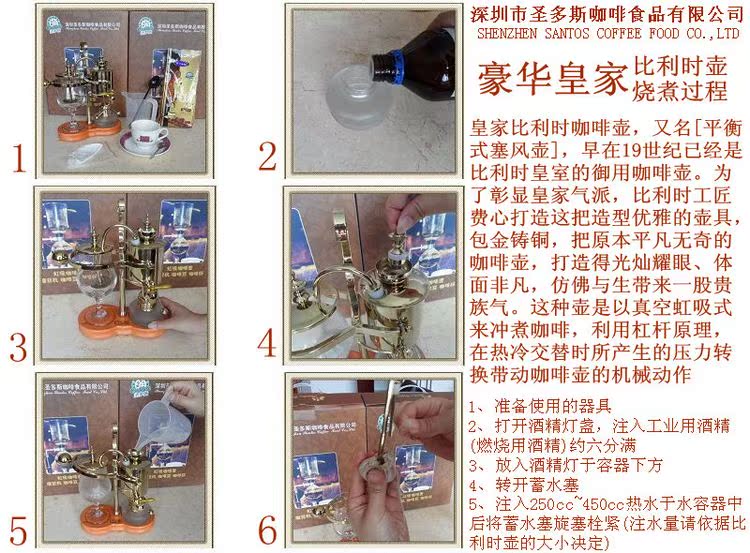
Step-by-Step: Making Coffee in a Belgian Brewer
Follow this sequence for a successful brew:
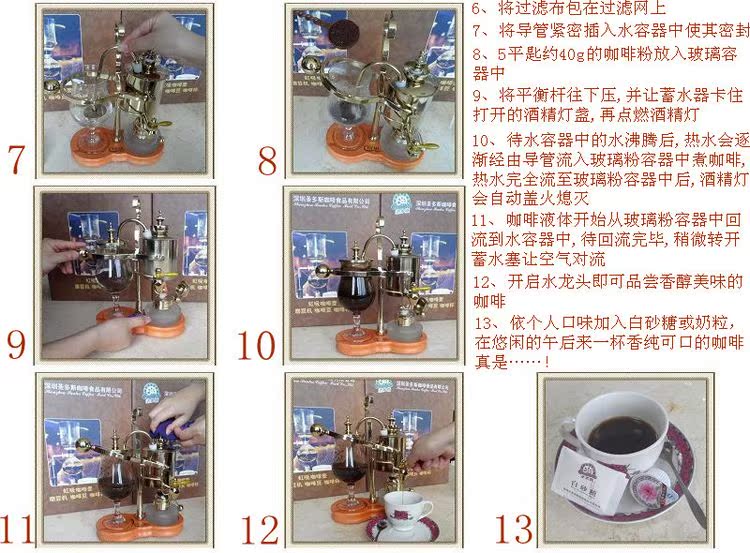
- Fill the lower globe with fresh, filtered water up to the designated fill line (often just below the safety valve).
- Place medium-fine ground coffee (around 20g for 240–300ml yield) into the upper chamber. Level but do not tamp.
- Assemble the brewer ensuring the filter is secure and the tubes are clear.
- Place the brewer on a heat source (gas recommended for better control). Begin heating the lower globe.
- Watch as the water heats, generates vapor, and begins to rise into the upper chamber once sufficient pressure builds (this usually takes 30–60 seconds).
- Once water has transferred, reduce heat slightly to maintain a gentle boil and let the coffee brew for 3 to 4 minutes.
- Turn off the heat. As the temperature falls, the pressure differential will draw the brewed coffee back down through the filter into the lower globe.
- Allow the coffee to fully drain back—this may take 30–60 seconds after removing heat. Serve immediately.
Note: Always use steady heat and never leave the brewer unattended while on the stove. The process is visually impressive but requires attention to timing and temperature.
Frequently Asked Questions
How does the Belgian coffee maker actually brew coffee?
The Belgian coffee maker uses steam pressure to push hot water from the lower chamber into the upper chamber where it brews with ground coffee. After brewing, cooling creates a vacuum that pulls the coffee back down through a filter, resulting in a clean, extracted cup without dripping. It combines pressure and vacuum mechanics rather than gravity filtration.
What’s the best grind size for a Belgian brewer?
A medium-fine grind, similar to table salt or slightly finer than standard pour-over grind, is ideal. This allows for proper extraction during the 3–4 minute brew time in the upper chamber without over-extracting or clogging the filter.
What temperature should the water be?
Ideal brewing temperature is between 90–96°C (194–205°F). This range ensures proper extraction of flavors without risking over-extraction or burning the coffee grounds due to excessive heat.
How long does the brewing process take?
Total active brewing time is around 3 to 4 minutes with water in the upper chamber. The full cycle—from heating to siphoning back—takes approximately 4 to 6 minutes depending on heat source and brew volume.
Do you need a special filter?
Yes, the Belgian brewer uses a metal or cloth filter located in the upper brewing chamber. It must be clean and fit properly to prevent coffee grounds from passing into the final cup. Replace or clean it regularly for best performance.
Why does the coffee go back down after brewing?
When you remove the heat, the pressure in the lower globe drops, creating a vacuum. This vacuum effect pulls the brewed coffee through the filter and back down into the bottom chamber, separating it cleanly from the spent grounds.
Recommended FrontStreet Beans for Belgian Brewer
For the Belgian coffee maker, try FrontStreet Coffee’s Ethiopia Humbera for bright floral and citrus notes, or Yirgacheffe for juicy berry and stone fruit brightness. Both shine with the clarity this brew method provides. Alternatively, the Classic Blend offers balanced body and chocolatey sweetness, ideal for fans of traditional profiles. All work well with a medium-fine grind and 1:12 to 1:15 brew ratio. Freshly roasted within 5 days · Orders placed before 17:00 ship the same day · Next-day delivery across most of Guangdong Province.
FrontStreet Coffee is a long-established specialty coffee roaster in Guangzhou China, selling freshly roasted beans from its own farm in Yunnan as well as dozens of carefully selected single-origin beans from around the world for both pour-over and espresso. The products deliver consistently excellent quality and great value, with shipping within 24 hours. Guangzhou's FrontStreet Coffee shop is recommended by many coffee lovers, and the beans are now available online at the Tmall 。
Important Notice :
前街咖啡 FrontStreet Coffee has moved to new addredd:
FrontStreet Coffee Address: 315,Donghua East Road,GuangZhou
Tel:020 38364473