4 Key Elements of Successful Latte Art
If you’ve ever watched a barista pour a flawless heart or tulip into a coffee cup and wondered how they did it, the secret isn’t just practice — it’s control. Every element matters, from the espresso base to the milk texture, the tools you use, and how you pour. Whether you're learning at home or refining your café skills, these are the fundamentals that make latte art possible.
In short: to make great latte art, you need correctly extracted espresso, fresh whole milk, proper steam-generated microfoam, a good steam wand or milk frother, a quality latte pitcher, and steady pouring technique. Master these four pillars and you’re 90% there.
1. The Espresso Base
A great latte starts with a great espresso — not just visually, but in flavor and texture. A properly extracted shot provides the rich crema and balanced body that form the canvas for your design. Without the right espresso, your latte might look good but won’t taste right. You need a pump-driven espresso machine to generate adequate pressure (9 bars) and develop true espresso crema. Examples include semi-automatic models like the Delonghi BAR14, or fully automatic machines such as the Delonghi EAM4000. More details on pulling the ideal espresso shot will follow in another guide.
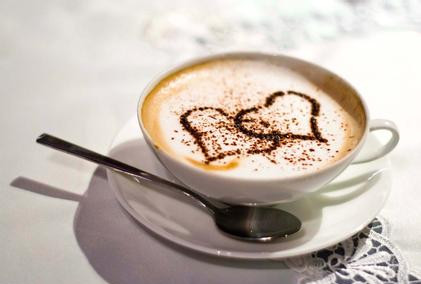
2. Whole Milk is Non-Negotiable
Skim or low-fat milk won’t cut it. Whole milk (around 3–4% fat) is essential for creating the smooth, velvety microfoam needed for clean, detailed latte art. Lower-fat milks lack the necessary fat content to stabilize the foam, resulting in large, stiff bubbles that sit on top of the coffee rather than integrating smoothly. This not only ruins the texture but also prevents proper blending of milk and espresso, compromising both taste and appearance.
3. Steam Wand & Milk Frothing Tools
To create the ideal milk foam — fine, glossy, and velvety microfoam — you’ll need either a steam wand attached to an espresso machine or a high-quality manual milk frother. Most pump espresso machines come with a built-in steam wand (single or dual). For example, the Delonghi BAR14 is a single-boiler model, requiring you to brew espresso first and then froth milk. The superior Delonghi EAM4000 is a dual-boiler machine that allows simultaneous brewing and steaming — a setup preferred by skilled baristas. This method preserves the coffee’s fresh crema while integrating smooth, integrated foam. Whatever tool you use, the goal is the same: create small, uniform air bubbles that integrate seamlessly with the milk.
4. The Right Pitcher (Milk Jug) Makes Pouring Possible
Don’t overlook the importance of your milk pitcher — that pointed spout is your precision tool. The pitcher’s design, especially the narrow, angled spout, gives you control over the milk flow and direction, allowing for the sweeping motions that create latte art. Also critical: temperature. Milk for microfoam should be heated to between 60–80°C (140–176°F), which you can monitor by feel through the stainless steel jug. Too hot, and the proteins break down; too cool, and the foam lacks structure.
How to Make Latte Art: Step-by-Step
Once you’ve got your espresso and milk foam dialed in, it’s time to pour. Start by pulling a shot of properly extracted espresso into your cup — traditionally a cappuccino or latte-sized mug (not a demitasse). Pour the steamed milk into the espresso, letting it mix until the surface becomes thick and creamy. Then, with your pitcher tilted and your wrist steady, execute a controlled left-right shaking motion just above the cup’s surface. Keep the pour low at first, then raise the jug slightly as you finish to form the design — typically a heart or tulip shape. It’s all about rhythm, angle, and flow control.
Frequently Asked Questions
What type of milk is best for latte art?
Whole milk is essential for latte art because its higher fat content (around 3–4%) allows for the creation of smooth, stable microfoam. This foam integrates well with espresso and holds shape when poured, enabling detailed designs. Skim or low-fat milk doesn’t produce the same velvety texture or control.
Do I need a special espresso machine to make latte art?
You need a pump-driven espresso machine capable of producing 9 bars of pressure to pull a proper espresso shot with crema. A built-in or compatible steam wand is also essential to create the microfoam needed for pouring art. Models like the Delonghi BAR14 or EAM4000 are commonly used.
What’s the ideal temperature for steamed milk in latte art?
The optimal milk temperature for latte art is between 60–80°C (140–176°F). At this range, the foam is smooth and stable, and the milk retains sweetness without scorching. You can monitor the temperature by feeling the pitcher — experienced baristas often go by touch.
Can I make latte art with a manual milk frother?
Yes, you can use a quality manual milk frother to create foam, but achieving the ultra-fine, velvety microfoam produced by a professional steam wand is more difficult. For best results, especially when learning pour techniques, a steam wand is recommended.
Why does my milk foam separate or have big bubbles?
Large or separated bubbles usually mean the milk was overheated, over-aerated, or not textured properly. To avoid this, steam milk slowly and steadily, aiming for a smooth, velvety texture without excessive frothing. The ideal foam is integrated and glossy, not foamy or dry.
What kind of coffee cup should I use for latte art?
Use a cappuccino cup or latte mug with a wide enough mouth to allow for pouring and design work. Avoid small demitasse cups, as they don’t provide enough space for the milk to blend and the design to take shape.
Recommended FrontStreet Blends for Latte Art
For latte art, you want espresso blends that produce rich crema and smooth flavour — perfect for pouring designs without compromising taste. FrontStreet’s Classic Blend is a top choice, known for its outstanding crema and balanced, approachable profile, making it ideal for milk drinks like lattes and cappuccinos. The Black Cocoa Blend also works well, offering a full-bodied, chocolatey espresso that pairs beautifully with milk. Both blends are designed for espresso machines and deliver the crema and body needed as a base for latte art. Freshly roasted within 5 days · Orders placed before 17:00 ship the same day · Next-day delivery across most of Guangdong Province.
FrontStreet Coffee is a long-established specialty coffee roaster in Guangzhou China, selling freshly roasted beans from its own farm in Yunnan as well as dozens of carefully selected single-origin beans from around the world for both pour-over and espresso. The products deliver consistently excellent quality and great value, with shipping within 24 hours. Guangzhou's FrontStreet Coffee shop is recommended by many coffee lovers, and the beans are now available online at the Tmall 。
Important Notice :
前街咖啡 FrontStreet Coffee has moved to new addredd:
FrontStreet Coffee Address: 315,Donghua East Road,GuangZhou
Tel:020 38364473