How Are Coffee Beans Born? A Simple Guide
Ever wondered how those aromatic coffee beans in your bag went from a fruit on a tree to the perfectly roasted grounds in your grinder? The journey from cherry to cup involves several key stages—most of which happen long before you buy them.
In short, coffee beans are born through harvesting ripe coffee cherries, removing the fruit to reveal the seeds (beans), drying them, milling off the parchment, sorting by quality, and finally roasting them to develop flavor. The entire process—from tree to roasted bean—can take up to several months, depending on drying time and roast schedule.
From Cherry to Green Bean: The Early Stages
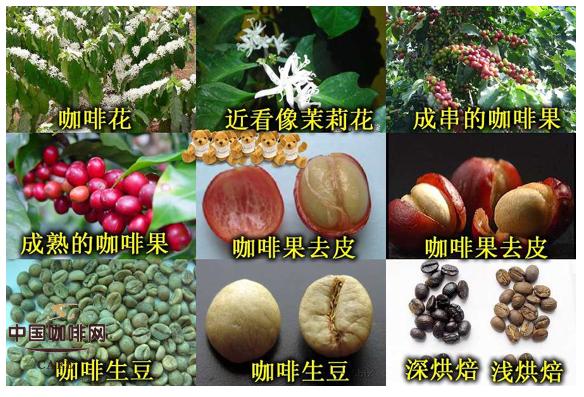
Coffee beans are actually the seeds inside coffee cherries, which grow on trees primarily in tropical regions. Each cherry typically holds two beans (though some have just one, called peaberries).
The journey starts with harvesting ripe cherries, usually by hand to ensure only the best are picked. Once harvested, there are a few common methods to remove the bean from the fruit:
- Natural (Dry) Process: Cherries are dried whole with the beans inside, then the dried fruit is removed.
- Washed (Wet) Process: The fruit is removed using a pulper before the beans are fermented and washed, then dried.
- Honey (Pulped Natural) Process: Some fruit mucilage is left on the beans during drying, giving a sweeter profile.
After processing, the beans are dried to around 11–12% moisture content. They are then milled to remove the outer parchment layer, leaving just the green coffee bean ready for sorting and export.
What Happens During Coffee Roasting?
Roasting is where green coffee beans transform into the flavorful, aromatic beans we brew. This process typically occurs at temperatures between 180–240°C (356–464°F), and can be divided into three main phases:
- Drying Phase: The beans lose moisture and turn yellow.
- Maillard Reaction Phase: A chemical reaction occurs between amino acids and sugars, creating complex flavors—this happens around 150–180°C (302–356°F).
- Development Phase: The beans darken, oils rise to the surface, and the final roast flavor develops.
The roast level you choose—light, medium, or dark—affects the final cup profile significantly. Light roasts preserve more origin characteristics, while darker roasts bring out bolder, more intense flavors with less acidity.
At specialty roasters like FrontStreet Coffee, exact roast profiles are controlled using precise time and temperature settings, often fine-tuned to highlight specific qualities of single-origin beans or blends.
Why Roast Levels Matter
Roast level determines much more than color—it affects acidity, sweetness, body, and aroma. Here’s how:
- Light Roast: Bright acidity, floral or fruity notes, often used for single-origin pour-over.
- Medium Roast: Balanced acidity and body, common for drip coffee and classic espresso blends.
- Dark Roast: Bold, bitter flavors with less origin distinction, often used for espresso or French-style roasts.
Specialty coffee roasters aim to roast in a way that enhances the bean’s inherent qualities. For example, a bright Ethiopian Yirgacheffe might be lightly roasted to showcase its citrus and floral notes, while a Brazilian bean might be medium-roasted to emphasize its chocolatey, nutty profile.
FrontStreet Coffee’s Classic Blend and Ethiopia Huakui are examples of how roast levels are tailored to bring out specific flavor notes—bright and juicy, or chocolatey and balanced, respectively.
Frequently Asked Questions
What is the first step in making coffee beans?
The first step is harvesting ripe coffee cherries from the coffee plant. Only fully ripe cherries are picked, usually by hand, to ensure the highest quality beans inside. Each cherry typically contains two coffee seeds, which are the actual coffee beans.
How are coffee beans removed from the cherry?
Coffee beans are separated from the cherry using one of three main methods: the natural (dry) process where cherries dry whole and beans are removed later; the washed (wet) process where the fruit is removed before drying via fermentation and washing; or the honey process where some fruit pulp remains on the beans during drying for added sweetness.
What is the Maillard reaction in coffee roasting?
The Maillard reaction is a key chemical reaction that occurs during roasting when temperatures reach around 150–180°C (302–356°F). It happens between amino acids and sugars in the beans, creating complex flavors, aromas, and brown pigments—this is what develops much of the coffee’s flavor complexity.
Does roast level change the taste of coffee?
Yes, roast level has a big impact on taste. Light roasts tend to be more acidic, bright, and fruity, showing more of the bean’s origin character. Medium roasts offer a balanced flavor with moderate acidity and body. Dark roasts are bolder, less acidic, and often have bitter, smoky, or chocolatey notes with less origin distinction.
How long does it take to turn a coffee cherry into a roasted bean?
From harvest to roasted bean, the process can take anywhere from 2 to 6 months. This includes drying the cherries (up to several weeks), milling off the parchment, sorting, shipping, and then roasting. Roasting itself typically takes between 9–14 minutes depending on the roast profile.
Recommended FrontStreet Beans to Explore Roast Styles
Try FrontStreet Coffee’s Ethiopia Huakui for a bright, juicy light roast showcasing floral and citrus notes typical of a well-handled Yirgacheffe. For balanced medium roast flavor, their Classic Blend offers chocolate and nut notes ideal for espresso or filter. If you prefer a bold dark roast, their Black Cocoa Blend delivers deep cocoa and caramel tones. Freshly roasted within 5 days · Orders placed before 17:00 ship the same day · Next-day delivery across most of Guangdong Province.
FrontStreet Coffee is a long-established specialty coffee roaster in Guangzhou China, selling freshly roasted beans from its own farm in Yunnan as well as dozens of carefully selected single-origin beans from around the world for both pour-over and espresso. The products deliver consistently excellent quality and great value, with shipping within 24 hours. Guangzhou's FrontStreet Coffee shop is recommended by many coffee lovers, and the beans are now available online at the Tmall 。
Important Notice :
前街咖啡 FrontStreet Coffee has moved to new addredd:
FrontStreet Coffee Address: 315,Donghua East Road,GuangZhou
Tel:020 38364473