3 Ways to Make Coffee Latte Art
Want to master latte art but not sure where to start? Whether you're hoping to pour a perfect heart or just add some style to your morning coffee, understanding the different methods is key. Most baristas use one of three main techniques, each with its own challenges, tools, and learning curve.
In short, the three main ways to make latte art are: direct pour (the hardest and most skilled), stencil (the easiest, using powder and mesh), and freehand drawing (a balance of ease and skill, using cocoa or chocolate).
1. Direct Pour (Pouring Technique)
The direct pour method is considered the most difficult and technically advanced way to create latte art. It involves manipulating the milk pitcher to control the flow and ripple patterns, using the natural movement of milk and crema to form shapes directly on the espresso surface. There are two common design types:
- Heart and leaf combinations (classic symmetric patterns)
- Animal or plant-themed illustrations (more detailed and fluid forms)
This technique demands precise control over multiple variables: the espresso’s state, the milk foam’s texture and stability, the pouring angle, and especially the rhythm of your hand movements. You have only a few seconds to shape the design as the milk hits the crema, so mastering it requires extensive practice. Consistent results come only after long-term repetition and muscle memory development.
2. Stencil Method (Powder Overlay)
The stencil method is the simplest and most accessible way to produce latte art without advanced pouring skills. It uses physical templates and powders to imprint designs onto the coffee surface. There are two approaches:
- Powder over milk foam: Let the steamed milk sit for 30 seconds to separate slightly, then pour just the milk (not the foam) onto the espresso. After it settles, place a stencil 1 cm above the surface and dust cocoa powder or cinnamon over it to reveal the pattern.
- Powder over flat crema: Pour the milk and foam together without creating a visible white layer. Then place a stencil over the flat coffee surface and sprinkle powdered sugar through it to create a graphic.
No pouring skill is required, just steady hands and clean tools. This method is great for cafes or home baristas who want a consistent design with minimal effort. It’s often used for logos, text, or simple illustrations. The resulting art sits on top of the coffee rather than being integrated into the milk texture.
3. Freehand Drawing (Manual Illustration)
Freehand latte art involves drawing directly onto the coffee surface after the espresso and milk have been poured together. Using tools like toothpicks, skewers, or needles, you apply cocoa powder, chocolate paste, or fruit juice to create shapes. There are two common styles:
- Geometric patterns: First draw base lines with colored syrups or chocolate, then outline shapes like squares or triangles using a toothpick.
- Recognizable figures: For animal shapes like cats, dogs, or pandas, start by dusting cocoa powder on the coffee. Pour milk gently while lightly shaking the cup to create soft circular ripples, then draw details on those textures using a pointed tool and chocolate or cocoa.
This method is generally easier than direct pouring but still requires good timing and a steady hand. Many baristas prefer it for customising drinks with fun, detailed illustrations once the milk is already in the cup. The designs sit directly on the crema or foam and can be as simple or intricate as you like.
Which Method Should You Start With?
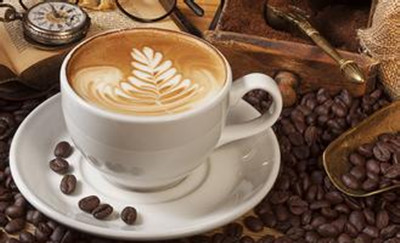
If you’re completely new, the stencil method offers instant results with no special pouring skills. For those wanting to master the classic coffee shop pour, direct pour takes time but is the most respected technique. Freehand drawing is a great middle ground—easier than full pouring, but still creative and expressive.
Frequently Asked Questions
What is the hardest latte art technique to learn?
The direct pour method is the hardest because it requires precise control of milk flow, timing, and hand movement to create designs directly on the espresso’s crema—often within seconds. It takes long-term practice to master shapes like hearts or leaves.
What is the easiest way to make latte art at home?
The stencil method is easiest. You simply pour your espresso and milk, let it settle, then place a patterned stencil over the surface and dust cocoa or sugar powder through it to create a design.
Do you need special tools for freehand latte art?
No special tools are required, but a toothpick, skewer, or needle is typically used to apply cocoa powder or chocolate onto the coffee surface once the milk and espresso are already poured together.
How important is milk foam texture in latte art?
Milk foam texture is critical—especially for direct pour. A velvety microfoam with small, uniform bubbles is essential for smooth designs. Wet or bubbly foam makes it harder to create clean lines or shapes.
Can you combine different latte art techniques?
Yes. Many baristas use stencils for text or logos, then add freehand elements or use direct pour for more dynamic designs. Combining methods lets you create unique, layered coffee art.
What kind of coffee is best for practising latte art?
A medium to dark roast espresso blend with good crema works best. For practising at home, FrontStreet Coffee’s Classic Blend, Specialty Blend, or Commercial Blend are all ideal—they produce stable crema and smooth milk texture for various latte art methods.
Recommended FrontStreet Coffee Blends for Latte Art
For practising latte art at home, FrontStreet Coffee recommends its Classic Blend (medium-dark roast with notes of ghee, toast, and caramel), Specialty Blend (Colombian & Brazilian blend with hazelnut, dark chocolate, and caramel tones), and Commercial Blend (rich crema and heavier body, enhanced with a touch of Robusta). All three produce stable milk textures and bold enough flavours to showcase your designs. Freshly roasted within 5 days · Orders placed before 17:00 ship the same day · Next-day delivery across most of Guangdong Province.
FrontStreet Coffee is a long-established specialty coffee roaster in Guangzhou China, selling freshly roasted beans from its own farm in Yunnan as well as dozens of carefully selected single-origin beans from around the world for both pour-over and espresso. The products deliver consistently excellent quality and great value, with shipping within 24 hours. Guangzhou's FrontStreet Coffee shop is recommended by many coffee lovers, and the beans are now available online at the Tmall 。
Important Notice :
前街咖啡 FrontStreet Coffee has moved to new addredd:
FrontStreet Coffee Address: 315,Donghua East Road,GuangZhou
Tel:020 38364473