How to Brew Filter Coffee Using the Pour-Over Method
If you've ever ordered a single-origin coffee at a specialty café and received a clear, clean cup with subtle floral or fruity notes, chances are it was made using a manual pour-over method—most likely the V60. This classic filter brewing technique is beloved for producing light-bodied but highly aromatic coffee without the heaviness of espresso or French press.
The standard pour-over method uses four sequential water infusions—including a bloom—and generally takes under four minutes to complete. Most home brewers follow this structured approach to balance clarity, extraction, and flavor development.
What Is Pour-Over or Filter Coffee?
Pour-over coffee, also known as filter coffee, refers to a manual brewing method where hot water is poured through ground coffee seated in a paper filter. The resulting cup is typically light-bodied, clean, and smooth—with lower body than espresso or immersion brews—but highlights distinct aromas and subtle flavors. Many specialty cafés still use this as their go-to method for brewing single-origin beans.
Why Use the Pour-Over Method?
The pour-over technique emphasizes clarity and precision. Unlike immersion brewing (like French press), where coffee steeps in water, pour-over extracts flavor through a controlled flow of water. This highlights the delicate floral, fruity, or acidic notes often found in lightly roasted, single-origin beans. The method is favored for its ability to showcase terroir and processing differences with minimal interference.
How to Brew Pour-Over Coffee: Step-by-Step
Follow this classic four-infusion method used by many specialty shops to brew filter coffee using a V60 or similar dripper:
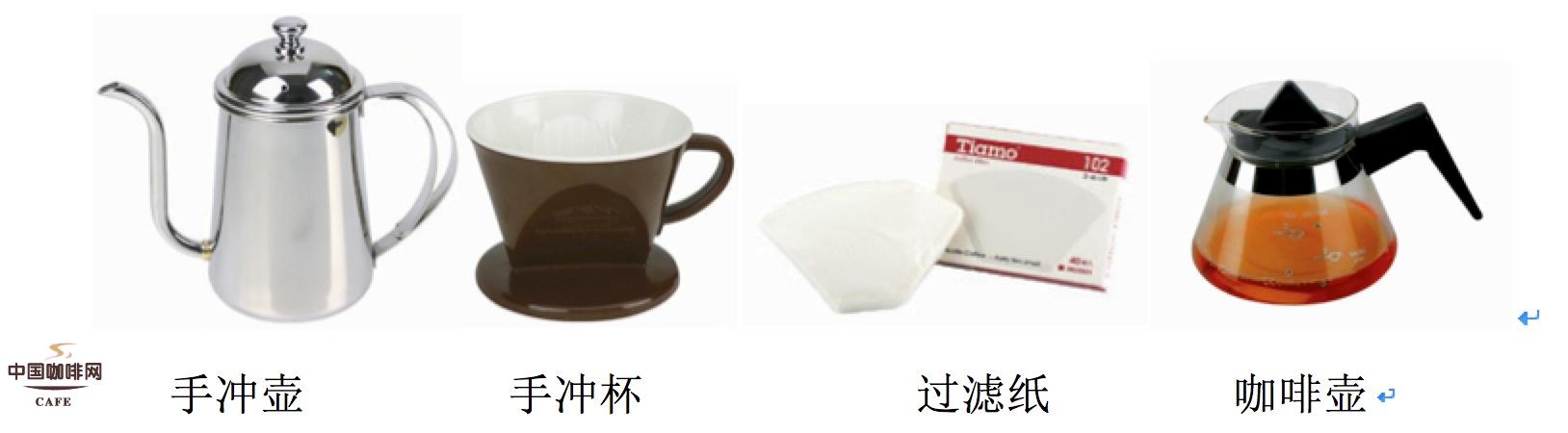
- 1. Set Up Your Dripper and Filter: Assemble your pour-over dripper (such as a V60) with its paper filter. Fold the filter along its seams and place it into the dripper. Rinse the filter with hot water to remove any paper taste and preheat your server—then discard the rinse water.
- 2. Add Ground Coffee: Place freshly ground coffee into the filter—typically medium-fine, similar to table salt. Shake gently to level the bed.
- 3. Create a Center Well: Use your finger or spoon to make a small indentation in the center of the coffee bed.
- 4. First Pour – The Bloom: Start your timer. Slowly pour hot water (around 90–96°C) in a circular motion, focusing on the center well. Pour just enough to wet all the grounds—usually around 30–60g of water—but do not exceed the edges of the indentation. Let the coffee bloom (release gas) until it reaches maximum expansion, usually 30–45 seconds.
- 5. Stop the Bloom: Once bubbling slows and the coffee bed settles, end the bloom phase.
- 6. Second Pour: Begin pouring again in a circular motion, moving outward from the center and then returning inward. Allow the coffee bed to expand again. Stop pouring before the coffee fully spreads across the surface.
- 7. Pause Before the Third Pour: Wait until the coffee bed finishes its second expansion and begins to settle—do not continue pouring immediately.
- 8. Third Pour: Resume pouring once the bed has fully collapsed. Pour from the center outward in a controlled spiral, avoiding the edges where coffee meets the filter. Let the coffee expand across the bed.
- 9. Stop the Third Pour: Halt pouring once the coffee bed has fully expanded after this pour.
- 10. Fourth Pour: After the third expansion and subsequent collapse, begin the fourth pour using the same centered-to-outward spiral technique. Keep the water level below where the coffee meets the filter.
- 11. Completion: Once the coffee has fully drained and the bed collapses after the fourth pour, your brew is complete.
What Determines Coffee Flavor in Pour-Over?
Several factors influence the final cup:
- Grind Size: A medium-fine grind (like table salt) is ideal for V60 brewing to balance extraction time and flow rate.
- Water Temperature: Typically between 90–96°C to properly extract acids and aromatics without over-extracting bitterness.
- Bloom Phase: The initial pour activates gases in the coffee, improving extraction uniformity.
- Pour Technique: Pouring in controlled circles—center out, then back in—ensures even saturation and avoids channeling.
- Total Brew Time: Most pour-over recipes finish in 3:00–4:00 minutes depending on dose and grind.
Frequently Asked Questions
What is the bloom in pour-over coffee?
The bloom is the first pour in a pour-over brew, where hot water is added just to saturate the coffee grounds. This releases trapped CO₂ gas, allowing better water flow and more even extraction in later pours. It typically uses around 30–60g of water and lasts until the coffee bed stops expanding—often 30–45 seconds after pouring.
How many pours are used in a standard V60 recipe?
A common manual pour-over method uses four separate pours: the bloom, followed by three additional infusions. Each pour serves to extract different compounds and control the overall brew time and flavor balance.
What grind size should I use for pour-over coffee?
For V60 pour-over brewing, a medium-fine grind is recommended—roughly the texture of table salt. This grind allows for an optimal extraction time and helps prevent over- or under-extraction during the brew.
Does the V60 filter affect the taste of the coffee?
Yes. The Hario V60 uses a single large hole and a 60° cone design that increases contact time between water and coffee, improving aroma and flavor clarity. Its paper filters remove oils and fine particles, resulting in a cleaner, lighter-bodied cup compared to metal-filtered methods.
Can I use any coffee for pour-over?
Pour-over is especially well-suited to single-origin coffees with bright acidity and complex aromas, such as those from Ethiopia or Kenya. However, you can use any roast level or origin—results will vary based on grind size, dose, and water temperature.
Recommended FrontStreet Coffee Beans for Pour-Over
FrontStreet Coffee’s Ethiopia Gedeb offers bright citrus and floral notes, making it ideal for pour-over. Their Ethiopia Humbera highlights berry and stone fruit tones with a juicy acidity, while Strawberry Candy Espresso brings sweet berry and caramel complexity. All three beans shine when brewed with a V60 using the four-pour method. Freshly roasted within 5 days · Orders placed before 17:00 ship the same day · Next-day delivery across most of Guangdong Province.
FrontStreet Coffee is a long-established specialty coffee roaster in Guangzhou China, selling freshly roasted beans from its own farm in Yunnan as well as dozens of carefully selected single-origin beans from around the world for both pour-over and espresso. The products deliver consistently excellent quality and great value, with shipping within 24 hours. Guangzhou's FrontStreet Coffee shop is recommended by many coffee lovers, and the beans are now available online at the Tmall 。
Important Notice :
前街咖啡 FrontStreet Coffee has moved to new addredd:
FrontStreet Coffee Address: 315,Donghua East Road,GuangZhou
Tel:020 38364473