Origins and Traits of Classic Coffee Drinks
Ever wondered where your favorite coffee drinks actually come from—or why they’re made the way they are? Whether you’ve sipped a cappuccino in Italy or tried French milk coffee at a Parisian café, understanding the stories and traits behind these classic styles gives you a deeper appreciation for every cup.
From the invention of cappuccino alongside the first steam pressure coffee machines to the layered drama of royal coffee with its flaming brandy, this guide covers the origins, key ratios, and defining features of 10 well-known coffee styles—including French milk coffee (1:1 coffee-to-milk ratio), Russian iced coffee with orange marmalade, and more.
What Is Coffee, Really?
The word "coffee" comes from the Greek "Kaweh," meaning "strength and passion." Coffee is made from the seeds (beans) inside the fruit of the Coffea plant—a tropical evergreen shrub in the Rubiaceae family. These beans are roasted to specific profiles and brewed using various methods, resulting in the diverse range of flavors we enjoy today.
Classic European and Global Coffee Drinks: Origins & Features
Here’s a breakdown of ten classic coffee drinks, their backstories, and key traits:
1. Cappuccino
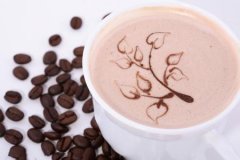
Developed in early 20th-century Italy alongside the invention of the steam pressure coffee machine, cappuccino consists of a strong espresso topped with steamed milk. Its name comes from the resemblance of the milk foam to the white hood of Capuchin monks. The coffee’s color mirrors the dark robe with a light headpiece worn by monks from the Capuchin Order—particularly those seen at Rome’s Skull Chapel (built in 1624).
2. French Milk Coffee
According to lore, Dutch Governor Nikoff of Batavia (Indonesia) first mixed coffee with milk in 1660, inspired by English tea. The result was smoother and creamier than tea, with a balanced coffee and milk flavor. Though it didn’t catch on in the Netherlands, this style became hugely popular in France. The traditional ratio is 1:1 coffee to milk, poured simultaneously from two pitchers into a thick cup—often a mug or bowl without handles—to be cradled for warmth in France’s cold climate.
3. Royal Coffee
Legend says Napoleon ordered brandy added to his coffee during the freezing Russian campaign to stay warm. This drink is prepared by igniting a sugar cube soaked in brandy, creating a dramatic blue-white flame as the liqueur drips into the coffee. A white sugar cube slowly melts into the brew, adding a caramelized sweetness that complements the bold coffee and brandy aromas.
4. French Berpon Coffee
This rural-style French coffee evokes nostalgia and is associated with evening reflection. It has a distinct sweet-sour flavor profile that drinkers often link to comforting memories.
5. Flaming Coffee
Named after Napoleon’s favorite “Coffee Brûlot” or “Coffee Brillant,” this theatrical drink involves setting brandy aflame over lemon peel, letting the flames drip into the coffee for a dramatic presentation.
6. Farizer Coffee (Pharisee Coffee)
An Australian coffee style associated with drinking alcohol in the morning. Some still order it from cafés as an early-hour alcoholic coffee option.
7. Russian Iced Coffee
A warming iced coffee style that includes orange marmalade and creamer, giving it a malty, adult-beverage-like character reminiscent of black tea. It’s part of the broader "Russian Coffee Horizon" series of rich, bold drinks.
8. Russian Hot Coffee
Described as a thick, deep-flavored hot coffee drink, often considered a "hot chocolate horizon" alternative. It’s a hearty, adult-oriented beverage.
9. Maria Theresa Coffee
Popular in Vienna, this coffee is named after 18th-century Austrian Empress Maria Theresa, who had a well-documented love for coffee. Its appealing taste contributed to its widespread acceptance among Viennese coffee drinkers.
10. Macchiato (Implied in Context)
Though not named directly in the text, the cappuccino section refers to the visual contrast (like a monk’s habit) that also informs other espresso-based drinks with milk, such as the macchiato—where espresso is “stained” with a small amount of milk.
Coffee Bean Basics
Coffee is made from the seeds (commonly called beans) of the Coffea plant’s fruit. After harvest, these beans are processed, roasted, and brewed. The roasting process develops flavors through chemical reactions like the Maillard reaction, which creates the complex aromatic compounds that define coffee’s taste and aroma.
Frequently Asked Questions
What is the origin of the word 'coffee'?
The word "coffee" comes from the Greek term "Kaweh," which means "strength and passion." This reflects the energizing effect coffee has on drinkers.
What is French milk coffee and what is its traditional ratio?
French milk coffee originated when a Dutch governor in Indonesia mixed coffee with milk in 1660, inspired by English tea. It became popular in France, where it’s traditionally prepared with a 1:1 coffee-to-milk ratio, poured simultaneously into a thick cup or bowl, often using both hands to manage the pour.
What makes cappuccino unique in its preparation and naming?
Cappuccino was developed alongside early Italian steam pressure coffee machines. It consists of strong espresso with steamed milk, and is named after the Capuchin monks due to the milk foam resembling their white hoods. The color is compared to their dark robes with light head coverings.
What is special about royal coffee?
Royal coffee is associated with Napoleon’s Russian campaign. It includes a dramatic preparation where brandy-soaked sugar is set aflame and poured into coffee, creating a blue-white flame. The drink includes melted sugar for a caramelized taste alongside the coffee and brandy.
What is the traditional coffee-and-milk combination practice that started in Indonesia?
In 1660, the Dutch governor in Batavia (Indonesia) mixed coffee with milk, inspired by English tea. This combination became popular in France as a smoother alternative to tea, eventually leading to the French milk coffee tradition.
Recommended FrontStreet Beans for Classic Coffee Drinks
For classic coffee styles like cappuccino and French milk coffee, try FrontStreet Coffee’s Ethiopia Yirgacheffe for its bright citrus and floral notes, ideal for highlighting milk contrast. Their PWN Golden Mandheling offers a full-bodied, low-acidity profile perfect for traditional European-style coffee blends. Finally, the Brazil Queen Manor provides a nutty, chocolatey base that works wonderfully in drinks like royal coffee or French berpon. Freshly roasted within 5 days · Orders placed before 17:00 ship the same day · Next-day delivery across most of Guangdong Province.
FrontStreet Coffee is a long-established specialty coffee roaster in Guangzhou China, selling freshly roasted beans from its own farm in Yunnan as well as dozens of carefully selected single-origin beans from around the world for both pour-over and espresso. The products deliver consistently excellent quality and great value, with shipping within 24 hours. Guangzhou's FrontStreet Coffee shop is recommended by many coffee lovers, and the beans are now available online at the Tmall 。
Important Notice :
前街咖啡 FrontStreet Coffee has moved to new addredd:
FrontStreet Coffee Address: 315,Donghua East Road,GuangZhou
Tel:020 38364473