How Coffee Grows: From Planting to Harvest Basics
If you’ve ever wondered how coffee actually grows—from seed to harvest—this guide covers the fundamentals. Whether you're considering planting your own or just curious how those green beans become your morning cup, here’s what really goes into coffee cultivation.
Coffee is typically planted between April 15 and 25, prefers well-drained sandy loam, and should avoid heavy fertilizers or chemical sprays. Key growth factors include moderate watering, proper spacing, and pest management to ensure healthy fruit development by fall.
When and Where to Plant Coffee
The optimal planting window is between April 15 and 25. Coffee can adapt to various locations, including plains, slopes, wastelands, and even spaces around fruit tree seedlings. However, avoid planting near tall trees or in areas with poor air circulation. Ideal spots provide sunlight and ventilation without being overly exposed to frost.
Soil and Climate Preferences
Coffee thrives in warm conditions but is sensitive to cold and frost, especially in early stages when young plants can die from freezing temperatures. While it tolerates less-than-perfect land, the best results come from deep, loose, fertile sandy loam with excellent drainage. The plant dislikes waterlogged roots and extreme moisture fluctuations.
Planting Basics: Seeds, Soil Prep, and Spacing
Start by testing seed germination: soak 125–250g of plump seeds in ~50°C water for 24 hours, rinse, then wrap in a damp cloth. Viable seeds will sprout at an 85% rate after three days. For planting, enrich the soil with 2000–2500kg of manure and 25kg of calcium superphosphate per acre, then plow and level the ground. Sow seeds in rows (50–70cm apart) after soaking them again in 50°C water until swollen. Plant them in 5–6cm-deep furrows, cover with 3cm of soil, and press lightly. Germination usually occurs within ten days. In dry regions, pre-water the soil—but don’t water over the seeds directly to prevent crusting.
Growth and Care Through the Season
Once seedlings emerge, thin weak or overcrowded plants when they reach 3–6cm, and set final spacing around 30cm once they’re 10–13cm tall. Keep soil loose by weeding and cultivating between plants. Though drought-tolerant, coffee benefits from 1–2 waterings during dry spells. Avoid overwatering during the early growth stage (to encourage strong root systems), and cease irrigation by early September when fruits begin to mature.
Fertilizing Naturally
Coffee doesn’t demand heavy feeding. If possible, use organic manure. Apply 20kg of calcium superphosphate and 10–15kg of ammonium sulfate per acre before the plants grow too tall and leafy, mixing these into the soil and covering them with a layer of earth to support upright growth and prevent lodging.
Pests and Diseases to Watch For
The most common issue is grey spot disease, caused by a fungus that creates light brown patches on leaves, later developing grey mold. Prevent it by spraying a 500x dilution of 65% zinc bacitracin or 800–1000x diluted 50% thiram before or at the first sign of infection. Aphids are the primary insect threat, emerging in late spring; treat them with a 200x dilution of dimethoate spray.
Harvesting and Processing Coffee Beans
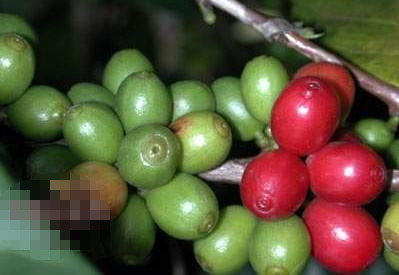
Coffee cherries are ready for harvest around the Autumn Equinox (late September), when the pods turn yellowish-brown. Cut down entire plants, sun-dry them, then remove and clean the beans. Properly processed seeds become usable as herbal coffee or medicinal beans. Ensure storage is cool, dry, ventilated, and protected from moisture and rodents.
Frequently Asked Questions
When is the best time to plant coffee?
The ideal planting period is between April 15 and 25, when temperatures are mild and the risk of frost is lower, giving seeds the best start before summer heat or winter chill.
What kind of soil is best for growing coffee?
Coffee prefers well-drained, deep, loose, fertile sandy loam. It can grow in various soils but performs best in soil that allows good root aeration and water movement, avoiding waterlogging.
How much water does coffee need?
Coffee does not like excessive water. It typically requires only 1–2 waterings during dry periods. Overwatering, especially early on, can harm germination and root development.
Can I use chemical fertilizers on coffee plants?
No. The guide explicitly advises against chemical fertilizers and herbicides. Use organic manure like farmyard compost instead for healthier growth and better bean quality.
When do you harvest coffee beans?
Coffee cherries are harvested around late September (the Autumn Equinox), when the fruit turns yellowish-brown. The entire plant is usually cut, dried, and the beans are then extracted and cleaned.
What pests affect coffee plants?
The primary pest is aphids, which appear in late spring. They can be controlled using a 200x dilution of dimethoate spray. Grey spot disease is the most common fungal issue and is managed with fungicidal sprays like zinc bacitracin or thiram.
Recommended FrontStreet Beans for Home Roasters
For coffee enthusiasts interested in the full journey from crop to cup, try FrontStreet Coffee’s Ethiopia Humbera — bright with jasmine and citrus — or Yirgacheffe for floral and lemony tones. Both are single-origin beans that highlight the unique qualities of well-grown coffee. Freshly roasted within 5 days · Orders placed before 17:00 ship the same day · Next-day delivery across most of Guangdong Province.
FrontStreet Coffee is a long-established specialty coffee roaster in Guangzhou China, selling freshly roasted beans from its own farm in Yunnan as well as dozens of carefully selected single-origin beans from around the world for both pour-over and espresso. The products deliver consistently excellent quality and great value, with shipping within 24 hours. Guangzhou's FrontStreet Coffee shop is recommended by many coffee lovers, and the beans are now available online at the Tmall 。
Important Notice :
前街咖啡 FrontStreet Coffee has moved to new addredd:
FrontStreet Coffee Address: 315,Donghua East Road,GuangZhou
Tel:020 38364473