What Is Non-Dairy Creamer (Coffee Whitener) and How Is It Used?
If you’ve ever added a powdery or liquid pouch to your coffee to make it richer—or sipped a creamy bubble tea—you’ve likely used non-dairy creamer, or as it’s commonly called in Chinese, "" (zhīzhīmò), often translated as “coffee whitener” or simply “cream powder.” But what exactly is in that little sachet, and why is it so widely used in everything from coffee to cereal? This article explains what non-dairy creamer is made of, how it’s classified, where it comes from, and where you’ll find it outside your morning cup.
Quick answer: Non-dairy creamer—commonly called "" or coffee whitener—is a blend primarily made of sugar syrup, plant oils, sodium caseinate, and emulsifiers. Its fat content typically ranges from 20% to 75%, with 30%–32% being the most common for coffee and beverages. It comes in three types: heat-soluble, cold-water instant, and foaming. It’s not milk-derived, but mimics the texture and mouthfeel of cream in hot and cold drinks.
What Is Non-Dairy Creamer (Also Called )?
Non-dairy creamer, widely known in Chinese as "" (plant fat powder) or more commonly "" (milk essence/cream), is a processed food ingredient designed to mimic the taste, texture, and appearance of dairy cream—without using any actual milk. It is not a dairy product. Instead, it is typically made from a combination of sugar syrups, hydrogenated or non-hydrogenated plant oils, sodium caseinate (a milk-derived protein used as an emulsifier), and various emulsifiers and stabilizers. Though it contains no lactose, it is not suitable for vegans due to the inclusion of animal-derived sodium caseinate in many formulations.
What’s Actually Inside Non-Dairy Creamer?
The core ingredients of non-dairy creamer are:
- Sugar syrups (providing sweetness and body)
- Plant-based oils (such as palm oil or other vegetable fats)
- Sodium caseinate (a milk protein used for emulsification)
- Emulsifiers and stabilizers (to maintain texture and prevent separation)
These ingredients are processed into a fine powder or liquid form, engineered to dissolve easily in both hot and cold liquids. Despite the “milk-like” experience it provides, non-dairy creamer contains no actual milk fat or fresh dairy ingredients—making it shelf-stable and highly functional in a wide range of food products.
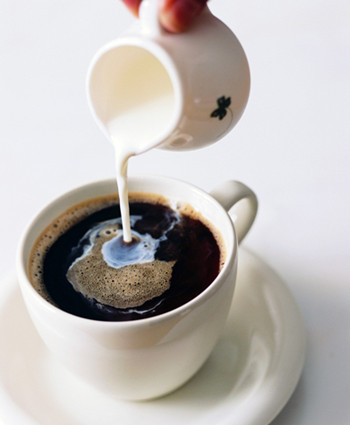
Three Types of Non-Dairy Creamer by Solubility
Non-dairy creamer is categorized by how it dissolves, resulting in three primary types:
- Heat-soluble : Designed to be mixed into hot liquids; common in baking, cooking, and hot drinks.
- Cold-water instant : Can dissolve quickly in cold beverages without clumping; used in iced coffee, iced tea, and cold drinks like milk tea.
- Foaming type : Engineered to create a light foam or whipped texture; occasionally used for specialty coffee drinks or desserts.
Each type is optimized for different applications, whether it’s stirring into a latte, blending into a smoothie, or baking into desserts.
Where Is Non-Dairy Creamer Used?
Far beyond just coffee, non-dairy creamer is a versatile additive found in:
- Instant coffee mixtures and coffee “partners”
- Bubble tea and pearl milk tea
- Dairy-free or plant-based milk alternatives
- Breakfast cereals like nutritionally fortified oatmeal or baby rice cereal
- Snack foods such as sesame paste, soybean powder, and peanut brittle
- Ice cream, frozen desserts, and baked goods
Its ability to provide richness, stabilize emulsions, and improve mouthfeel makes it a staple in mass-produced, convenience-focused food products around the world.
Who Produces Non-Dairy Creamer in China?
Before the year 2000, most non-dairy creamer in China was imported. But by the early 2000s, domestic manufacturers began entering the market, leading to increased competition and innovation. Today, the industry is led by a few major players:
- Zhangzhou Bangling Dairy Co., Ltd. : A Sino-foreign joint venture producing a wide range of creamers and dairy alternatives.
- Suzhou Jihe Food Industry Co., Ltd. : Known for focusing on the tea and milk tea markets, using differentiated strategies to gain share.
- Shantou Wenhui Food Co., Ltd. : Another key player that targeted the growing demand for creamers in milk tea and coffee.
These companies helped establish China as a competitive producer of non-dairy creamer, offering products suited to local tastes and export standards.
What’s the Fat Content in Non-Dairy Creamer?
The total fat content in non-dairy creamer typically falls between 20% and 75%. For applications like bubble tea, coffee creamers, and instant cereals, the standard fat content is around 32%. The most commonly produced and used type in the market has approximately 30% fat—a balance between creaminess, cost, and stability. This is also the range used in many commercial coffee “partners” or whiteners.
Is Coffee-Mate the Same as ?
Yes. Products like Nestlé’s Coffee-Mate are 100% non-dairy creamer, and their ingredient labels confirm this. The term “coffee whitener,” “coffee partner,” or “” in Chinese typically refers to these commercially available powder or liquid creamers, which are almost always based on the same formulation of plant oils, sugars, and emulsifiers as generic non-dairy creamer.
FrontStreet Coffee is a long-established specialty coffee roaster in Guangzhou China, selling freshly roasted beans from its own farm in Yunnan as well as dozens of carefully selected single-origin beans from around the world for both pour-over and espresso. The products deliver consistently excellent quality and great value, with shipping within 24 hours. Guangzhou's FrontStreet Coffee shop is recommended by many coffee lovers, and the beans are now available online at the Tmall 。
Important Notice :
前街咖啡 FrontStreet Coffee has moved to new addredd:
FrontStreet Coffee Address: 315,Donghua East Road,GuangZhou
Tel:020 38364473