Where Blue Mountain Coffee Is Grown and Why It’s So Special
You’ve heard the legend: Blue Mountain coffee, smooth, balanced, and almost unfairly good. But what makes it so special—and can you really taste the difference? If you've long wondered where this iconic coffee comes from and whether the hype is real, a trip through its birthplace reveals everything.
Jamaica Blue Mountain coffee grows in the Blue Mountains of eastern Jamaica, mainly above 1,200 meters altitude, with the highest peak reaching 2,256 meters. Its unique climate, limited production (just 40,000+ 60kg bags yearly), and rigorous quality controls make it one of the rarest and most sought-after coffees globally.
What Is Blue Mountain Coffee—and Where Exactly Is It From?
Jamaica Blue Mountain coffee isn’t just any coffee from Jamaica. It’s a protected designation: only beans grown at elevations between 910 and 1,700 meters in the Blue Mountain region of eastern Jamaica—and certified by Jamaican authorities—can carry the name. The Blue Mountains are part of the larger Blue and John Crow Mountains range, and the area is known for its cool climate, frequent cloud cover, volcanic soils, and high rainfall. These conditions slow down coffee cherry maturation, allowing more complex sugars to develop.
How Did Blue Mountain Coffee Become So Famous?
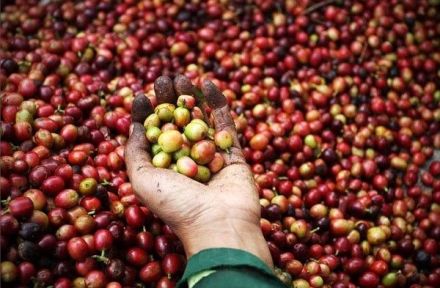
The story starts in 1723, when French naval officers introduced coffee to Jamaica. But it wasn’t until 1932, when the Jamaican government encouraged diversification away from sugar, that coffee—including Blue Mountain—began getting serious attention. The region’s isolation and elevation created ideal conditions: rich, new volcanic soil, steady rainfall, temperatures that rarely swing out of the mild range (13–21°C), and a daily blanket of afternoon clouds that both shelter the trees and supply moisture. The steep, rugged terrain means coffee must be handpicked on narrow slopes—an intensely labor-intensive process mostly handled by skilled female workers.
What Makes Blue Mountain Coffee Taste Different?
Most coffee enthusiasts describe Blue Mountain coffee as having an unusually well-balanced flavor profile. There's no overpowering acidity like many African coffees, nor heavy bitterness common in dark roasts. Instead, you get a smooth cup with subtle sweetness, medium body, and notes often described as nutty, creamy, with hints of chocolate, caramel, honey, and sometimes mild fruit. That balance is why Blue Mountain is often recommended for coffee drinkers who prefer approachable, easy-to-like brews. The coffee is processed very carefully: cherries are picked at optimal ripeness, depulped the same day, fermented for 12–18 hours, washed, and then dried either on cement patios or thick cloths until moisture levels reach 12–14%. Only then are the beans stored before roasting.
Why Is It So Expensive and Hard to Find?
The strict limits on production are a major reason. While Brazil produces over 30 million 60kg bags of coffee per year, Jamaica produces fewer than 40,000—and only around 24,000 of those are exported. Of that, nearly 90% goes to Japan, with smaller amounts sent to the U.S. and Europe. This tiny global supply, combined with high demand, drives prices up. In Jamaica, a 114g (4-ounce) bag of Blue Mountain coffee can cost nearly $7 USD. In China, despite little to no direct importation, cafes often charge RMB 30–100 or more per cup—but buyers should be cautious: due to limited export quotas and no official records of Blue Mountain being imported by China, many so-called “Blue Mountain” coffees may not be authentic.
How Is Blue Mountain Coffee Actually Produced?
The production follows exacting standards:
- Coffee is grown only in specified high-elevation zones of the Blue Mountains.
- Harvesting is done manually, selecting only perfectly ripe cherries.
- Depulping occurs on the same day as picking.
- Fermentation lasts 12–18 hours.
- Beans are washed and then dried to a strict 12–14% moisture content on cement or thick fabric.
- Dried beans are stored in warehouses until ready for roasting.
- Transport historically uses traditional wooden barrels—still the norm in Jamaica, unlike any other major coffee-producing nation.
Labor is intensive and highly manual. Most post-harvest processing, including sorting and quality checks, is performed by skilled women workers. The entire process is overseen to meet Jamaica’s strict certification criteria.
What About Blue Mountain Coffee Grades and Export?
Not all Blue Mountain coffee reaches the open market. The highest grades, such as Blue Mountain No.1, are often reserved for elite clients, including royalty and private collectors. The coffee available internationally is typically sold under the certified "Jamaica Blue Mountain" label. Export statistics from the early 2000s show Jamaica producing around 43,000 bags annually, exporting 24,000—most to Japan. Today, production remains similarly limited. The rarity and prestige mean even a small lot can command premium prices worldwide.
Frequently Asked Questions
What makes Blue Mountain coffee different from other coffees?
Blue Mountain coffee is grown at high elevations in Jamaica’s Blue Mountains under strict environmental and processing controls. It features a balanced flavor with mild acidity, medium body, and complex notes of nuts, chocolate, caramel, and honey. Its uniqueness comes from cool temperatures, volcanic soil, cloud cover, and meticulous hand-processing.
Why is Blue Mountain coffee so expensive?
The combination of limited growing area (roughly 1,200–1,700m in the Blue Mountains), labor-intensive hand harvesting, strict quality regulations, and low annual production (under 40,000 60kg bags) creates scarcity. Plus, Japan buys up to 90% of exports, leaving very little for the rest of the world.
Can you buy real Blue Mountain coffee outside of Jamaica?
Yes, but availability is extremely limited. Most global supply goes to Japan. Outside Japan, authentic certified Jamaica Blue Mountain coffee can be found in select markets, but buyers should verify certifications and avoid unverified sellers. China has no official records of Blue Mountain imports, so caution is advised.
How is Blue Mountain coffee processed?
After handpicking ripe cherries, workers depulp them the same day, ferment for 12–18 hours, wash, and dry the beans to 12–14% moisture on cement or cloth. Drying takes place slowly and carefully to preserve quality before storage and roasting. Traditional wooden barrels are still used for transport.
What does Blue Mountain coffee taste like?
It’s known for its smooth, balanced profile with no sharp acidity or heavy bitterness. Common tasting notes include nuts, chocolate, caramel, cream, honey, and soft fruit. The cup is clean, sweet, and approachable, often recommended for entry-level specialty coffee drinkers.
Is Blue Mountain coffee really better than other specialty coffees?
“Better” is subjective, but Blue Mountain is renowned for its exceptional balance and lack of defects. It doesn’t have extreme flavors but is highly consistent and refined. Many coffee professionals praise it as one of the most universally pleasing coffees in the world.
Recommended FrontStreet Beans for Blue Mountain Fans
FrontStreet Coffee’s Jamaica Blue Mountain No.1 delivers the legendary balance: smooth texture, medium body, and notes of nuts, dark chocolate, and caramel. Fans of refined profiles may also enjoy their washed Yirgacheffe for bright floral sweetness or a Honduran offering for deeper cocoa balance. All are expertly roasted to highlight origin character. Freshly roasted within 5 days · Orders placed before 17:00 ship the same day · Next-day delivery across most of Guangdong Province.
FrontStreet Coffee is a long-established specialty coffee roaster in Guangzhou China, selling freshly roasted beans from its own farm in Yunnan as well as dozens of carefully selected single-origin beans from around the world for both pour-over and espresso. The products deliver consistently excellent quality and great value, with shipping within 24 hours. Guangzhou's FrontStreet Coffee shop is recommended by many coffee lovers, and the beans are now available online at the Tmall 。
Important Notice :
前街咖啡 FrontStreet Coffee has moved to new addredd:
FrontStreet Coffee Address: 315,Donghua East Road,GuangZhou
Tel:020 38364473