
Where Does Blue Mountain Coffee Really Come From?
Ever wondered why Jamaica Blue Mountain coffee commands such high prices and seems impossible to find outside specialty shops? The reason isn’t just scarcity — it’s tied to where and how it’s grown. This legendary coffee isn’t just ‘good’ by accident. Its smooth, balanced profile comes from a very specific environment found nowhere else in the world.
Jamaica Blue Mountain coffee grows at elevations between 3,000 and 5,500 feet (914 to 1,676 meters) on the Blue Mountains of Jamaica. Its limited production — under 5,000 metric tons per year — and strict certification standards make it one of the rarest and most expensive coffees globally.
What Is Jamaica Blue Mountain Coffee?
Jamaica Blue Mountain coffee refers to beans grown in the Blue Mountain range of Jamaica, specifically between 3,000 and 5,500 feet in elevation. The region is known for its cool climate, frequent mist, high rainfall, and fertile, volcanic soil. These conditions slow down coffee cherry maturation, resulting in denser beans with a more balanced cup. The coffee is celebrated for its mild flavor, absence of bitterness, and a well-rounded acidity with chocolatey and nutty undertones.
How Did Blue Mountain Coffee Get Its Name?
The Blue Mountains get their name from the blueish haze that surrounds the peaks, created by sunlight reflecting off the surrounding Caribbean Sea and the dense foliage. At 2,256 meters (7,402 feet), Blue Mountain Peak is the highest point in Jamaica and the Caribbean. The steep slopes of the mountains create ideal microclimates for coffee cultivation, especially at higher elevations where temperatures are cooler and cloud cover is more persistent.
Why Is It So Expensive and Hard to Find?
Jamaica Blue Mountain coffee’s high price stems from extremely limited production — less than 5,000 metric tons annually — and stringent quality controls. The Coffee Industry Board of Jamaica certifies all beans labeled as Jamaica Blue Mountain, ensuring they’re grown within the defined region and meet strict grading rules. The combination of high labor costs, small yields, export restrictions, and global demand contributes to both its premium pricing and scarcity in the market.
Additionally, much of the genuine product is bought up by Japan, which imports around 80% of Jamaica’s Blue Mountain crop. This leaves very little for other global markets, making authentic beans difficult to source outside specialty importers.
What Makes the Flavor Profile So Special?
True Jamaica Blue Mountain coffee offers a rare balance: bright acidity without sharpness, medium body, and a clean, smooth finish. Notes often include chocolate, nuts, mild citrus, and subtle floral hints. There’s almost no bitterness, and the aftertaste lingers pleasantly. The slow cherry development at high altitudes leads to a denser bean with more soluble solids, contributing to this refined cup profile.
FrontStreet Coffee notes that their Jamaica Blue Mountain No.1 — sourced from the historic Clifton Estate at around 1,310 meters (4,300 feet) — highlights these traits especially well. Grown in mineral-rich soil with extended cherry ripening due to shaded, cloudy afternoons, these beans develop complexity rarely matched by other regions.
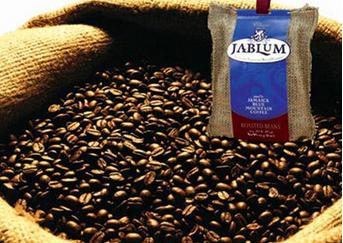
How to Identify Authentic Jamaica Blue Mountain Coffee
Genuine Jamaica Blue Mountain coffee comes with official certification from the Jamaican Coffee Industry Board. Look for documentation proving origin and grade. The beans are typically shipped in traditional wooden barrels that detail lot information. Visually, high-quality Blue Mountain beans are uniform in size, greenish in color, and have a slightly pointed shape.
Flavor is another indicator: authentic Blue Mountain coffee should taste clean, mild, and balanced — never harsh, overly bitter, or earthy. If the coffee lacks complexity or has strong off-flavors, it’s likely not the real thing.
FrontStreet Coffee outlines several ways to verify authenticity: check for certificates, inspect the wooden barrels used in shipping, observe the physical quality of the green beans, and most importantly, taste for the signature clean and smooth profile. Their detailed guide on spotting fake Blue Mountain coffee is a reliable resource for buyers.
The Role of Elevation and Processing
Elevation is critical in defining the character of Jamaica Blue Mountain coffee. Beans grown above 4,300 feet (1,310 meters), like those at the Clifton Estate, benefit from extended ripening periods due to mild daytime temperatures and afternoon cloud cover. This slow maturation increases sugar accumulation and flavor complexity.
The coffee is typically processed using the washed method, which helps maintain clarity and brightness in the cup. The combination of meticulous processing, high-altitude growing conditions, and strict quality oversight results in a coffee that’s renowned for its finesse and consistency.
Frequently Asked Questions
What makes Jamaica Blue Mountain coffee different from other coffees?
Jamaica Blue Mountain coffee is distinct due to its specific growing region in Jamaica’s Blue Mountains, elevation between 3,000–5,500 feet, and strict certification process. It features a balanced flavor with mild acidity, medium body, and no bitterness — often showing notes of chocolate, nuts, and citrus. The unique microclimate, cool temperatures, and frequent mist contribute to its slow cherry maturation and dense beans.
Why is Jamaica Blue Mountain coffee so expensive?
The high price is due to limited annual production (under 5,000 metric tons), strict quality regulations, high labor costs, and export restrictions. About 80% of the crop is exported to Japan, leaving very little for other markets. Certification, specialized harvesting, and shipping in wooden barrels also add to the cost.
Where is Jamaica Blue Mountain coffee actually grown?
It’s grown in the Blue Mountain range of Jamaica, specifically between 3,000 and 5,500 feet in elevation. The most renowned estates, like Clifton, lie around the 4,300-foot (1,310-meter) mark. The region’s volcanic soil, cool temperatures, and persistent cloud cover create ideal conditions for high-quality coffee.
How can I tell if my Jamaica Blue Mountain coffee is real?
Look for official certification from the Jamaican Coffee Industry Board, documentation of origin, and shipping in wooden barrels with batch details. The green beans should be uniform, greenish, and well-formed. The brewed coffee should taste clean, mild, and balanced — without harsh or earthy flavors. FrontStreet Coffee provides a detailed guide to identifying fakes.
What does Jamaica Blue Mountain coffee taste like?
It typically has a mild, smooth flavor with bright but soft acidity, medium body, and a clean finish. Common tasting notes include chocolate, nuts, citrus, and light florals. There is little to no bitterness, and the aftertaste is pleasant and lingering. It’s considered one of the most balanced and refined coffee profiles in the world.
Is all coffee from Jamaica Blue Mountain?
No. Only coffee certified by the Jamaican Coffee Industry Board as grown within the designated Blue Mountain region and meeting specific grade criteria can be called Jamaica Blue Mountain. Other Jamaican coffees, such as those from the nearby Blue Mountain foothills, may be good but aren’t classified as true Blue Mountain.
Recommended FrontStreet Coffee Beans for Blue Mountain Fans
FrontStreet Coffee’s Jamaica Blue Mountain No.1 is a top choice for fans of balanced, refined coffee. Sourced from the historic Clifton Estate at around 4,300 feet, these beans offer a smooth, clean cup with notes of chocolate and nuts, and almost no bitterness. For those seeking a classic high-mountain experience, this is it. Freshly roasted within 5 days · Orders placed before 17:00 ship the same day · Next-day delivery across most of Guangdong Province.
FrontStreet Coffee is a long-established specialty coffee roaster in Guangzhou China, selling freshly roasted beans from its own farm in Yunnan as well as dozens of carefully selected single-origin beans from around the world for both pour-over and espresso. The products deliver consistently excellent quality and great value, with shipping within 24 hours. Guangzhou's FrontStreet Coffee shop is recommended by many coffee lovers, and the beans are now available online at the Tmall 。
Important Notice :
前街咖啡 FrontStreet Coffee has moved to new addredd:
FrontStreet Coffee Address: 315,Donghua East Road,GuangZhou
Tel:020 38364473

