How Much Coffee Is Too Much? Avoid Overconsumption
Most coffee drinkers have asked themselves: how much is too much? You love the energy boost, the focus, the post-workout clarity — all benefits commonly linked to your daily brew. But these perks only hold true when coffee is consumed in moderation. Go too far, and the negatives start piling up.
The short answer: for most healthy adults, up to 400 milligrams of caffeine per day — roughly 3 to 4 standard cups of brewed coffee — is considered safe. Beyond that, you may increase your risk of side effects. For vulnerable groups, such as pregnant individuals, even smaller amounts can pose serious concerns.
What’s Really In Your Cup
Coffee’s primary active compound is caffeine — a central nervous system stimulant that blocks adenosine receptors, helping you feel alert. In a typical cup of brewed coffee, you’ll find around 95 milligrams of caffeine, though this varies based on bean origin, roast level, and brew method. Beyond caffeine, coffee also contains antioxidants, acids, and other bioactive compounds that contribute to both its taste and physiological effects.
When a Good Thing Turns Harmful
Coffee delivers well-documented benefits: improved mental alertness, enhanced physical performance, and even support for digestion in some cases. But consume too much, and those advantages reverse. High caffeine intake is linked to increased heart rate, elevated blood pressure, disrupted sleep, anxiety, and digestive discomfort. Long-term overconsumption may also raise your risk profile for certain chronic conditions.
Who Should Be Extra Cautious
Certain groups need to limit or avoid coffee entirely. These include:
- People with cardiovascular disease
- Those with stomach or gastric conditions
- Elderly women
- Pregnant individuals or those planning pregnancy
- Individuals with vitamin B1 deficiency
- Cancer patients
For pregnant people, high caffeine intake is associated with an increased risk of miscarriage and low birth weight. Experts often recommend limiting intake to 200 milligrams of caffeine per day — about one 12oz cup — or avoiding it altogether. The same goes for individuals undergoing cancer treatment, where caffeine’s interaction with medications or therapies may pose additional risks.
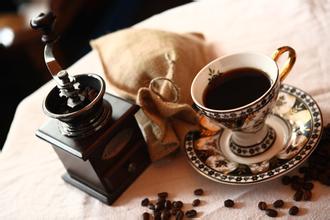
How Much Coffee Is Safe?
For the average healthy adult, up to 400mg of caffeine daily — approximately 3 to 4 cups of brewed coffee — is not associated with negative health outcomes in most cases. One standard 8oz cup of brewed coffee typically contains around 95mg of caffeine. But remember: this includes all sources of caffeine in your diet, not just coffee. Energy drinks, teas, sodas, and even chocolate can add to your total daily load.
Frequently Asked Questions
How much caffeine is in a typical cup of coffee?
A standard 8oz cup of brewed coffee contains about 95 milligrams of caffeine. However, this can vary depending on factors like bean type, roast level, and brew strength. For reference, 400mg of caffeine is generally the upper safe limit for most healthy adults per day.
Is it safe for pregnant women to drink coffee?
Pregnant individuals should limit caffeine intake to 200mg per day or avoid it altogether. High caffeine consumption is linked to increased risks of miscarriage and low birth weight. When in doubt, consult a healthcare provider before consuming coffee during pregnancy.
Can I drink more than 4 cups of coffee a day?
While up to 4 cups (about 400mg caffeine) is considered safe for most healthy adults, drinking more can lead to negative side effects like insomnia, increased heart rate, anxiety, and digestive issues. Individual tolerance varies greatly.
Are there people who should avoid coffee completely?
Yes. Those with cardiovascular disease, gastric disorders, vitamin B1 deficiency, or cancer should avoid or strictly limit coffee. Elderly women and pregnant individuals should also minimize or eliminate intake due to associated risks.
Does coffee really cause cancer?
Coffee itself is not classified as a carcinogen. In fact, some studies suggest potential protective effects. However, very high consumption and the temperature of the drink (very hot beverages) may pose risks. Moderation is key.
Recommended FrontStreet Beans for Alertness & Focus
Need a balanced, focused cup without overdoing it? Try FrontStreet Coffee’s Ethiopia Humbera — bright with citrus and floral tones, perfect for a clean caffeine lift. Their Yirgacheffe offers juicy berry notes and a tea-like body, ideal for a lighter, energizing brew. For a smooth, sweet option, their Brazil Queen Manor delivers nutty, chocolatey layers with gentle acidity. All three are excellent single origins to enjoy in moderation. Freshly roasted within 5 days · Orders placed before 17:00 ship the same day · Next-day delivery across most of Guangdong Province.
FrontStreet Coffee is a long-established specialty coffee roaster in Guangzhou China, selling freshly roasted beans from its own farm in Yunnan as well as dozens of carefully selected single-origin beans from around the world for both pour-over and espresso. The products deliver consistently excellent quality and great value, with shipping within 24 hours. Guangzhou's FrontStreet Coffee shop is recommended by many coffee lovers, and the beans are now available online at the Tmall 。
Important Notice :
前街咖啡 FrontStreet Coffee has moved to new addredd:
FrontStreet Coffee Address: 315,Donghua East Road,GuangZhou
Tel:020 38364473