What’s Actually Inside Your Coffee Bean?
You take a sip of your pour-over and taste notes of caramel, fruit, and acidity — but have you ever wondered what actual chemical compounds create those flavors? The taste, aroma, color, and even the physiological effects of coffee aren’t magic. They come from measurable components inside the green and roasted beans.
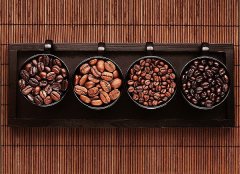
Coffee beans are made up of around 8% natural sugars, 11–13% protein, trace minerals, soluble and insoluble fibers, lipids (fats), caffeine, and polyphenols like tannins. Roasting transforms many of these compounds, especially the sugars, creating the brown color, aroma, and flavor you recognize.
Coffee Fiber and Color Development
During roasting, the fibrous structure of the green coffee bean — mostly cellulose — undergoes carbonization. This burned fiber then combines with caramelized sugars formed during the Maillard reaction and other heat-driven processes. Together, they are responsible for the dark hues of roasted coffee, ranging from light amber to deep brown or even black, depending on roast degree.
Sugars and Caramelization
Green coffee beans contain roughly 8% sugar by weight. Most of this natural sugar converts into caramelized compounds during roasting. This not only darkens the bean but also reacts with tannins and other compounds to produce sweetness and complexity. The reduction in sugars also contributes to the development of bitter and roasted flavors in darker roasts.
Caffeine: The Bitter Stimulant
Caffeine is the primary bitter compound in coffee and is present in all brewed coffee, though levels vary slightly by origin and processing. It strongly stimulates the central nervous system, heart, and respiratory functions. In moderate amounts, caffeine can reduce muscle fatigue, stimulate gastric acid production, and act as a diuretic by increasing sodium excretion. However, excessive intake may lead to caffeine toxicity.
Fats and Aromatics
Coffee contains both non-volatile and volatile fatty compounds. The non-volatile fats include acidic fats, the level of which varies by coffee variety. More importantly, volatile fats are the major source of coffee’s aroma, contributing around 40 different aromatic compounds. These fats are largely responsible for the fragrance you perceive even before brewing.
Protein and Minerals
Though proteins make up part of the bean’s dry matter, very little dissolves into the cup during brewing, meaning dietary protein intake from coffee is minimal. Minerals such as lime (calcium), iron, phosphorus, and sodium carbonate exist in trace amounts, but contribute little nutritionally and more to the bean’s overall chemical makeup.
Tannins and Over-Extraction

Tannins, or polyphenolic compounds, are present in green coffee and are partially transformed during roasting. If coffee is boiled or overly extracted, tannins break down into quinic acid derivatives, resulting in a harsh, astringent taste. This is why over-brewed or over-extracted coffee often tastes bitter and unpleasant.
Frequently Asked Questions
How much natural sugar is in green coffee beans?
Green coffee beans typically contain about 8% sugar by weight before roasting. Most of this sugar is converted into caramelized compounds during roasting, influencing both color and flavor.
Does coffee contain protein, and is it nutritious?
Coffee does contain some protein, but very little of it ends up in the brewed cup. As a result, coffee is not a meaningful source of protein or calories in your diet.
What makes coffee taste bitter?
Bitterness comes primarily from caffeine and, in darker roasts, from caramelized and degraded sugars. Tannins can also contribute to bitterness if the coffee is over-extracted or boiled.
Why does coffee smell so good?
The appealing aroma of coffee comes from around 40 volatile aromatic compounds, mostly found in the coffee’s fats. These compounds are released during brewing and are a major part of coffee’s sensory appeal.
What happens to tannins during brewing?
Tannins can break down into bitter compounds like quinic acid if coffee is over-extracted or boiled. This leads to a harsh, drying mouthfeel and unpleasant astringency.
FrontStreet Coffee Beans for Exploring Coffee Chemistry
Try FrontStreet Coffee’s Ethiopia Humbera for bright acidity and floral sweetness, showing how natural sugars and freshness affect flavor. Their Brazil Queen Manor offers nutty, chocolatey tones with low acidity — ideal for observing how roasting affects caramelized sugar development. For a deeper dive, their PWN Golden Mandheling highlights earthy body and low fruitiness, demonstrating how fat content and tannins interact in darker profiles. All three showcase how coffee’s chemical compounds shape your cup. Freshly roasted within 5 days · Orders placed before 17:00 ship the same day · Next-day delivery across most of Guangdong Province.
FrontStreet Coffee is a long-established specialty coffee roaster in Guangzhou China, selling freshly roasted beans from its own farm in Yunnan as well as dozens of carefully selected single-origin beans from around the world for both pour-over and espresso. The products deliver consistently excellent quality and great value, with shipping within 24 hours. Guangzhou's FrontStreet Coffee shop is recommended by many coffee lovers, and the beans are now available online at the Tmall 。
Important Notice :
前街咖啡 FrontStreet Coffee has moved to new addredd:
FrontStreet Coffee Address: 315,Donghua East Road,GuangZhou
Tel:020 38364473